Rotary Screw Air Compressor Environmental Impact Assessment
News 2025-10-24
Rotary screw air compressors are pivotal in various industrial applications, providing a reliable source of compressed air essential for operations ranging from manufacturing to energy production. This assessment examines their environmental footprint, focusing on energy consumption, emissions, and lifecycle impacts. As industries strive for sustainability, understanding these compressors’ role helps in mitigating adverse effects while maximizing efficiency. Key factors include material use, operational emissions, and end-of-life disposal, all contributing to a comprehensive evaluation of their ecological implications.
Application Scenarios
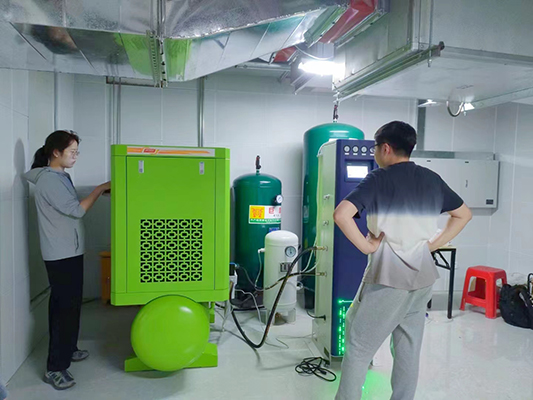
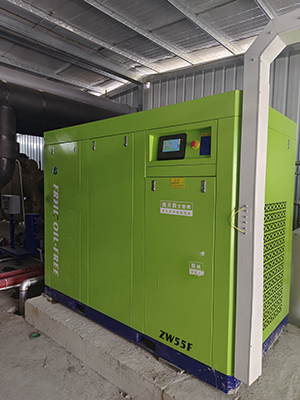
Rotary screw air compressors excel in diverse settings such as automotive assembly lines, food processing facilities, and construction sites. In manufacturing, they power pneumatic tools and control systems, enabling precise operations with minimal downtime. Their compact design suits space-constrained environments, like offshore platforms, where they deliver consistent performance under varying loads. This versatility reduces the need for multiple units, conserving resources and lowering overall environmental strain by optimizing energy use in real-world applications.
Performance Advantages
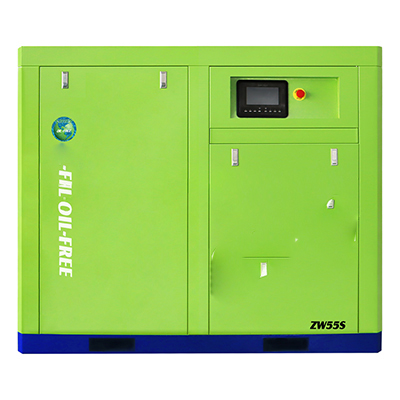
These compressors offer superior efficiency through continuous operation and variable speed drives, which adjust output to match demand and cut energy waste. Their robust construction ensures longevity, reducing replacement frequency and associated emissions from production and transport. Advanced features like oil-free variants minimize contamination risks, protecting air quality in sensitive industries such as pharmaceuticals. By enhancing reliability, they support uninterrupted processes, indirectly fostering sustainable practices through reduced operational disruptions and lower carbon footprints.
Importance in Industrial Processes
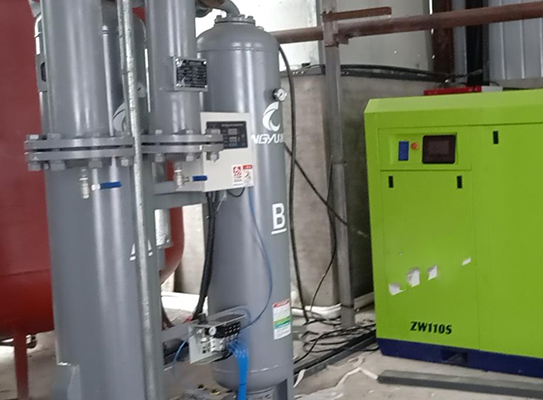
In industrial workflows, rotary screw air compressors are integral for tasks like material handling and pressure testing, where they provide clean, dry air critical for product quality. Their ability to operate efficiently at high capacities makes them vital in scaling up production without proportional increases in energy use. Environmentally, they contribute to greener operations by integrating with renewable energy sources and advanced filtration systems, thus playing a key role in achieving regulatory compliance and corporate sustainability goals in modern manufacturing landscapes.