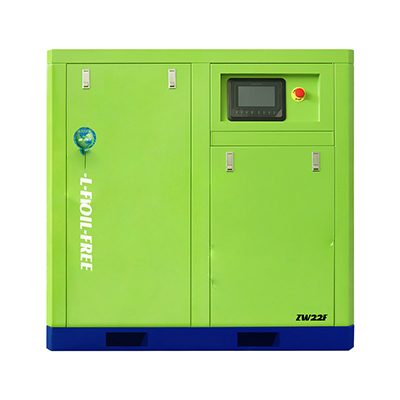
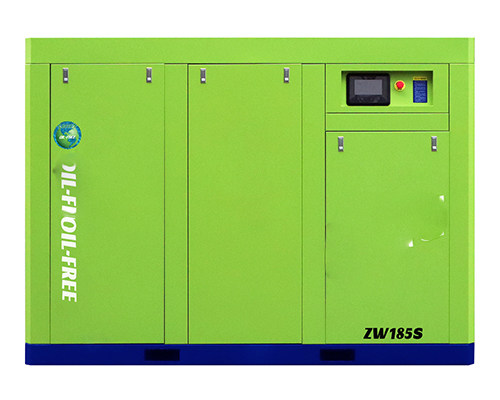
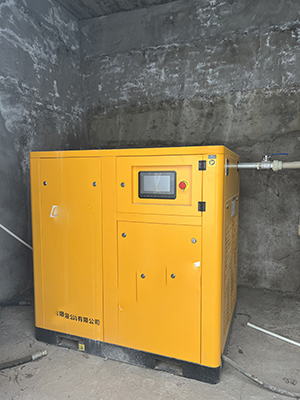
normal pressure air compressor tank size options for continuous and intermittent use
News 2025-10-24
Air compressors are essential components in industrial and commercial environments, delivering compressed air for a wide range of applications from powering tools to supporting manufacturing processes. In normal pressure systems, which operate at standard atmospheric levels, the size of the air tank significantly influences system performance. Tank size determines how much air can be stored and released, affecting efficiency in both continuous operations, where demand is steady, and intermittent use, where air needs fluctuate. Understanding these options helps users select the right setup to enhance productivity and reduce operational costs, making it a critical consideration in any air compression system design.
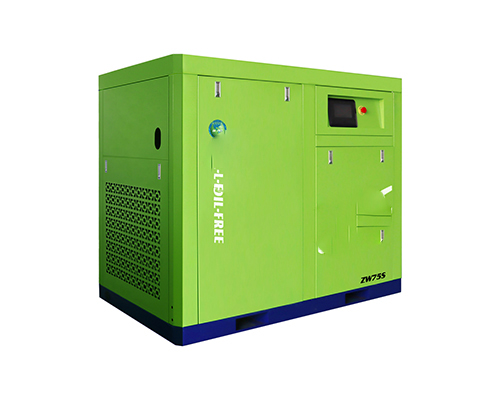
Tank Sizes for Intermittent Applications
Smaller tank sizes are often ideal for intermittent use, where air demand occurs in short bursts followed by periods of inactivity. Tanks ranging from 20 to 60 gallons are common in such scenarios, providing quick response times without excessive energy consumption. This setup benefits applications like automotive repair shops or small workshops, where tools are used sporadically. The performance advantage lies in reduced cycling of the compressor motor, which minimizes wear and extends equipment life. In industrial settings, this can lead to lower maintenance needs and cost savings, ensuring that operations remain efficient even with variable workloads.
Tank Sizes for Continuous Operations
For continuous use, larger tanks are necessary to handle sustained air demand without frequent compressor cycling. Sizes from 80 to 200 gallons or more support applications requiring constant airflow, such as in assembly lines or pneumatic control systems. These larger capacities improve energy efficiency by allowing the compressor to run less often at higher loads, reducing heat buildup and electrical usage. In manufacturing environments, this reliability is crucial for maintaining uninterrupted production, preventing downtime that could result from inadequate air supply. Selecting the appropriate size here enhances overall system durability and supports high-volume industrial processes effectively.
Factors Influencing Tank Size Selection
Choosing the right tank size depends on several key factors, including air consumption rates, duty cycle frequency, and available space. For intermittent applications, factors like peak demand and recovery time guide smaller tank choices, while continuous operations prioritize sustained output and energy savings with larger tanks. Space constraints and budget also play roles, with compact designs suiting tight areas and scalable options offering flexibility. In industrial contexts, proper selection ensures optimal performance, reducing risks of pressure drops or overheating. By aligning tank size with specific use cases, businesses can achieve greater efficiency and longevity in their air compression systems, supporting critical operations across various sectors.