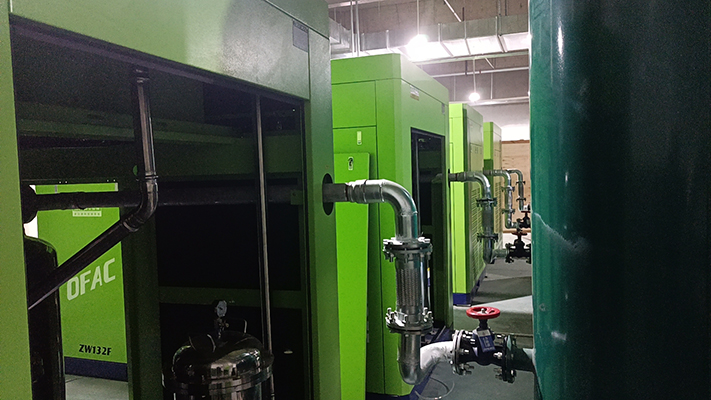
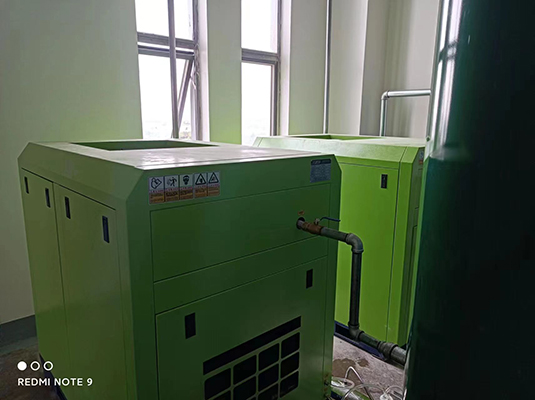
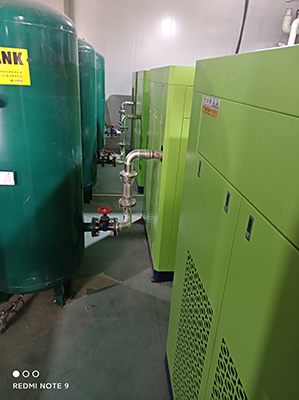
medium pressure air compressor for food processing plants meeting hygiene and safety standards
News 2025-10-24
In the food processing industry, maintaining stringent hygiene and safety is essential to prevent contamination and ensure product quality. Medium pressure air compressors, operating typically between 7 and 15 bar, deliver clean, oil-free air critical for various processes. These systems are engineered to comply with standards like FDA and ISO 22000, using materials such as stainless steel to resist corrosion and facilitate easy cleaning. By providing reliable compressed air, they support efficient operations while minimizing risks associated with airborne pathogens and particulates.
Application Scenarios
Medium pressure air compressors find extensive use in food processing environments. They power pneumatic conveyors for transporting ingredients like grains or powders without introducing contaminants. In packaging lines, they seal containers and apply labels with precision, ensuring airtight seals that extend shelf life. Additionally, they operate air knives for drying and cleaning surfaces, crucial in dairy and meat processing to remove moisture and debris, thereby upholding sanitary conditions during production.
Performance Advantages
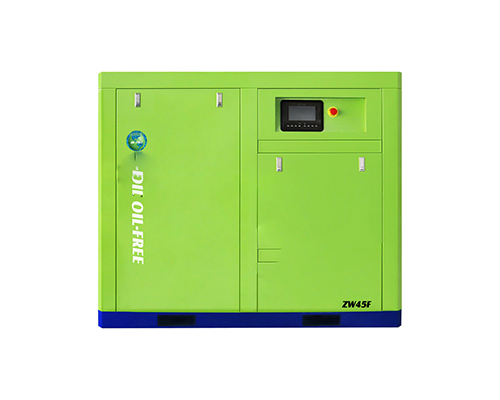
These compressors excel with features optimized for food safety. Oil-free designs eliminate lubrication risks, preventing oil vapors from tainting products and avoiding costly recalls. Equipped with advanced filtration systems, they remove moisture and particles to deliver medical-grade air quality. Their energy-efficient motors reduce consumption, lowering operational costs, while robust construction endures frequent sanitization cycles. This combination enhances reliability, allowing seamless integration into automated systems for consistent performance under demanding conditions.
Importance in Industrial Processes
Medium pressure air compressors are fundamental to industrial efficiency and compliance in food processing. They enable precise control in operations like mixing, filling, and sorting, where any air impurity could compromise safety. By supporting high-speed automation, they boost throughput and minimize labor, contributing to cost savings and scalability. As regulations tighten globally, these compressors help facilities meet certifications, fostering trust and protecting against liabilities, ultimately driving sustainable growth in the sector.