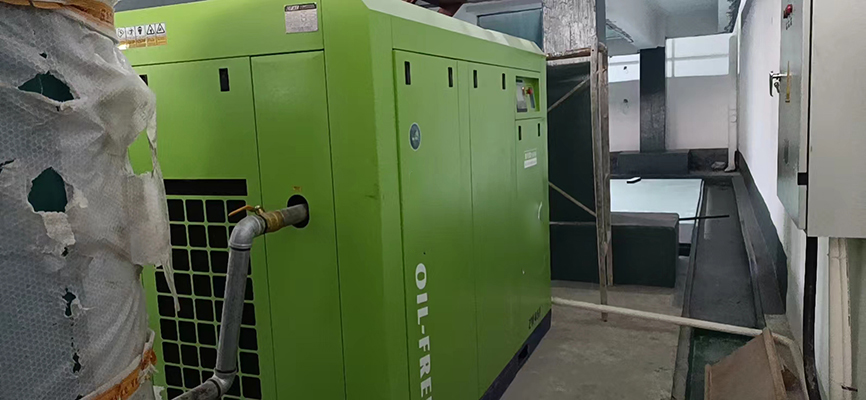
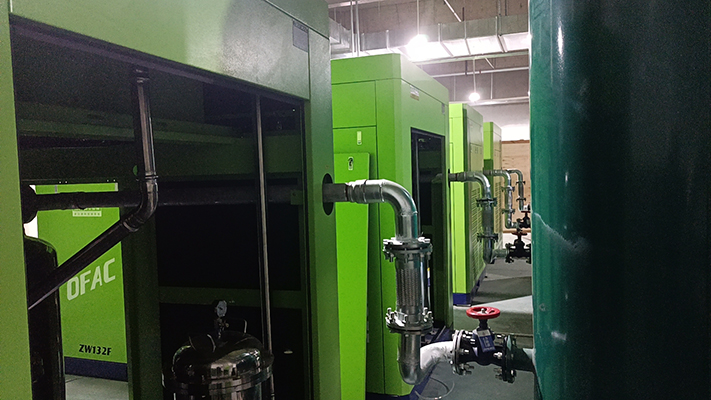
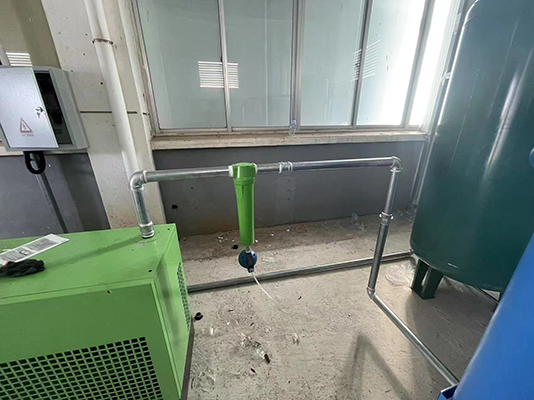
low pressure air compressor for textile industry small machines like sewing equipment
News 2025-10-24
Low pressure air compressors play a crucial role in the textile industry, particularly for small machines such as sewing equipment. These compressors supply compressed air at lower pressures, typically ranging from 2 to 10 bar, which is essential for delicate operations. In textile manufacturing, where precision and efficiency are paramount, low pressure systems help power pneumatic tools without risking damage to sensitive fabrics or machinery. This technology enhances productivity by providing consistent air flow for tasks like threading, cutting, and stitching, making it a vital component in modern textile processes.
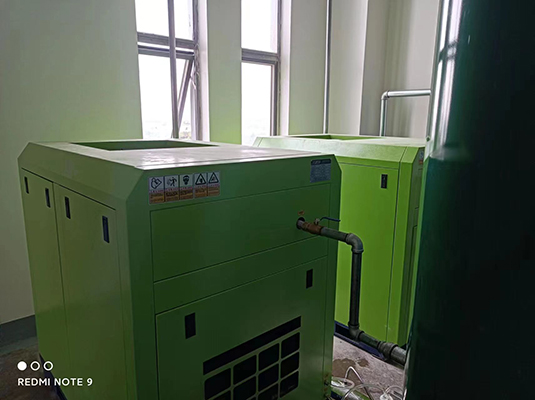
Application Scenarios
In the textile sector, low pressure air compressors are widely used in various settings involving small machines. For instance, in sewing workshops, they operate air-driven needles and thread tensioners, ensuring smooth and accurate stitching on garments and fabrics. They also support automated cutting tables and fabric handling systems, where controlled air pressure prevents material distortion. Additionally, in smaller-scale operations like custom tailoring or repair shops, these compressors facilitate efficient workflow by powering portable tools, demonstrating their versatility across different textile environments and contributing to overall operational reliability.
Performance Advantages
Low pressure air compressors offer several key benefits that make them ideal for textile applications with small machines. Their energy-efficient design reduces power consumption compared to high-pressure alternatives, leading to cost savings and lower environmental impact. These units also produce less noise and vibration, creating a safer and more comfortable workplace, which is critical in noise-sensitive textile facilities. Moreover, their compact size and ease of maintenance enhance durability and longevity, ensuring uninterrupted performance during high-volume production. By delivering precise air control, they minimize material waste and improve product quality, underscoring their importance in optimizing textile manufacturing processes.
Frequently Asked Questions
1. What pressure range is suitable for textile machines?
Low pressure compressors typically operate between 2 and 10 bar, which is ideal for avoiding fabric damage while providing sufficient power for sewing and other tasks.
2. How do these compressors improve efficiency in small operations?
They offer precise air delivery that reduces energy use and machine wear, allowing for faster cycle times and higher output in compact textile setups like sewing stations.
3. What are the main maintenance considerations?
Regular checks of oil levels, filters, and valves are essential to prevent breakdowns, ensuring reliable performance and extending the lifespan of the compressor in textile environments.