Permanent Magnet Air Compressor for Metal Fabrication – Supports Welding and Cutting Pneumatic Tools
News 2025-11-17
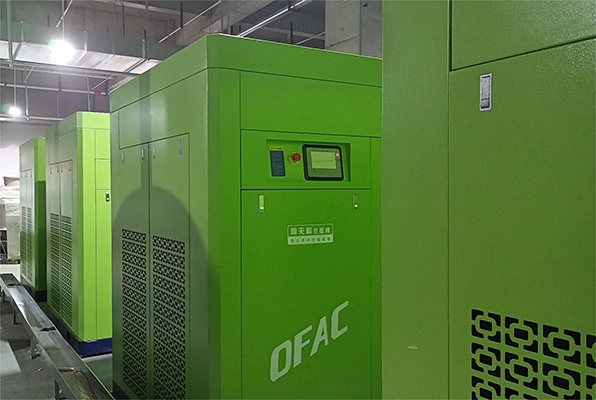
Modern metal fabrication demands a stable, efficient air supply for welding, cutting, grinding, and surface preparation. A permanent magnet air compressor tailored for metalworking environments provides the airflow quality and consistency needed for critical operations. By combining a high‑efficiency permanent magnet motor with smart control, it delivers compressed air that supports both light workshop tasks and heavy industrial production lines.
Core Features of Permanent Magnet Air Compressors
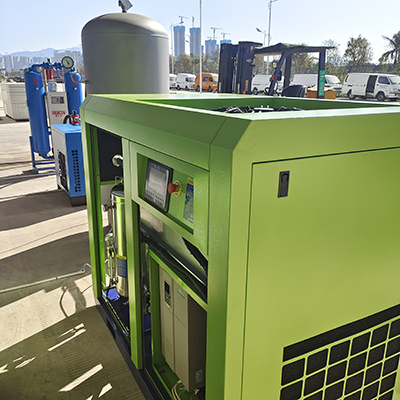
Permanent magnet compressors use a high‑efficiency motor with strong torque at low speeds and minimal energy loss. This design reduces electrical consumption compared with traditional induction‑motor compressors. Variable speed control allows the motor to match airflow output to real‑time demand on the shop floor, limiting idling and pressure fluctuations. Low vibration and reduced noise help maintain a safer, more comfortable fabrication environment, which is particularly important in facilities running multiple welding and cutting stations over long shifts.
Supporting Welding and Cutting Pneumatic Tools
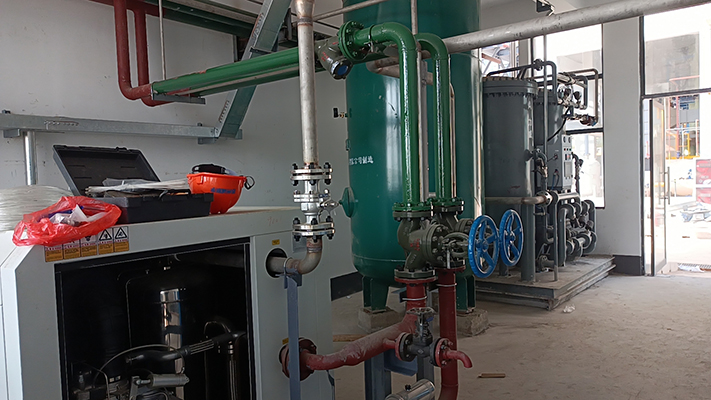
TIG and MIG welding guns, plasma cutters, air‑powered grinders, needle scalers, and chipping hammers require stable pressure and clean, dry air to protect equipment and ensure accurate joints. A permanent magnet air compressor maintains tight pressure bands, preventing porosity and defects that can occur when airflow drops during intensive welding cycles. Integrated air treatment options such as dryers and filters remove moisture and particulates, guarding torch consumables and pneumatic tool seals, and reducing downtime from premature wear or clogging.
Performance Advantages in Industrial Metal Fabrication
In high‑volume fabrication shops, energy cost is a major component of total production expense. The high efficiency of permanent magnet motors, combined with variable frequency drives, can significantly lower kWh usage per cubic meter of air delivered. Better part‑load efficiency improves performance during shift changes and intermittent tool operation. Intelligent control systems monitor load, temperature, and pressure, enabling predictive maintenance and extending compressor life. This stability directly supports consistent welding penetration, accurate cutting edges, and repeatable surface finishes.
Application Scenarios and Operational Importance
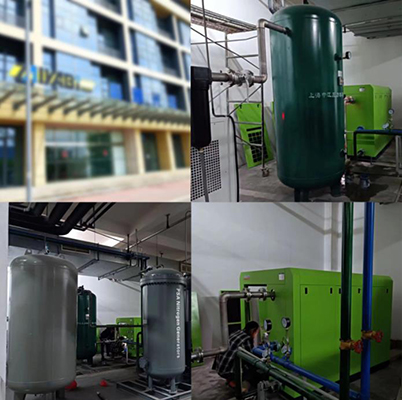
Permanent magnet air compressors fit a wide range of metalworking applications, from small fabrication workshops and automotive body repair centers to heavy steel structure plants, shipyards, and machinery manufacturing bases. They supply air for fixture clamping, robot welding cells, CNC plasma cutting tables, and manual pneumatic tools. As the central power source for compressed air networks, their performance influences productivity, product quality, and safety. Selecting the correct capacity, pressure rating, and filtration package ensures that every welding arc and cutting line receives consistent support from a dependable compressed air system.
1. How does a permanent magnet compressor reduce energy costs?
It operates with a high‑efficiency motor and variable speed control, matching air output to actual demand and minimizing wasted power during part‑load conditions.
2. Is it suitable for continuous heavy welding operations?
Yes. Its stable pressure control, strong torque at low speeds, and integrated cooling design support long duty cycles for intensive welding and cutting tasks.
3. What maintenance practices are recommended?
Regularly inspect filters, drain condensate, monitor lubricant condition, and review system logs from the control panel to schedule service before performance declines.