Permanent Magnet Air Compressor for Battery Manufacturing – Clean Air for Assembly and Testing Processes
News 2025-11-17
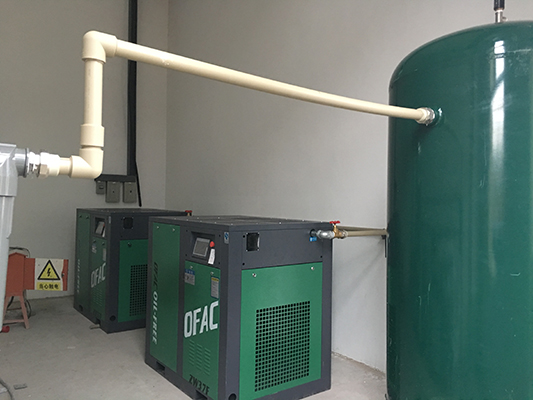
Permanent magnet air compressors are becoming a core utility in modern battery manufacturing plants, where stable, clean compressed air supports every stage from electrode coating to final pack testing. As lithium‑ion and next‑generation batteries move into mass production, manufacturers face strict requirements on air purity, pressure stability, and energy efficiency. A permanent magnet variable speed compressor delivers compressed air with precise control, helping production lines maintain high output, protect sensitive equipment, and comply with safety and quality standards.
Clean Compressed Air for Critical Battery Production Stages
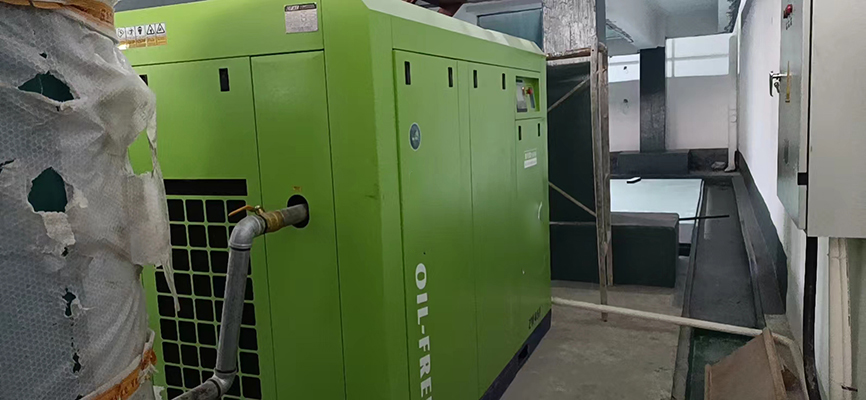
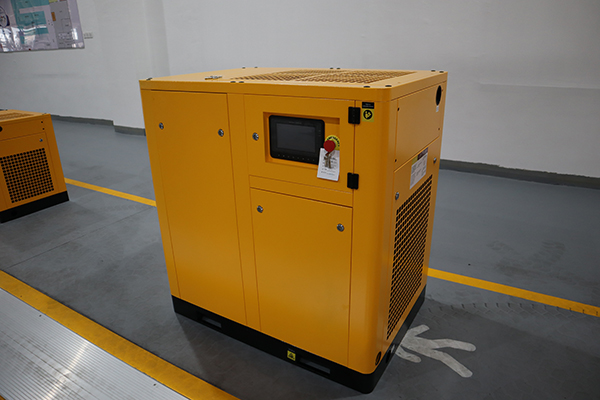
Battery cell and module assembly rely on oil‑free or oil‑less quality compressed air for material handling, pneumatic tools, drying tunnels, and conveying systems. Contaminated air can introduce particles or oil vapor that affect electrolyte filling, electrode coating uniformity, and sealing integrity. Permanent magnet air compressors paired with multi‑stage filtration and dryers help achieve low dew point and low residual oil content. This supports cleanroom environments used in cell assembly, prevents defects such as micro‑leaks, and reduces the risk of battery swelling or performance degradation during service life.
Performance Benefits of Permanent Magnet Technology
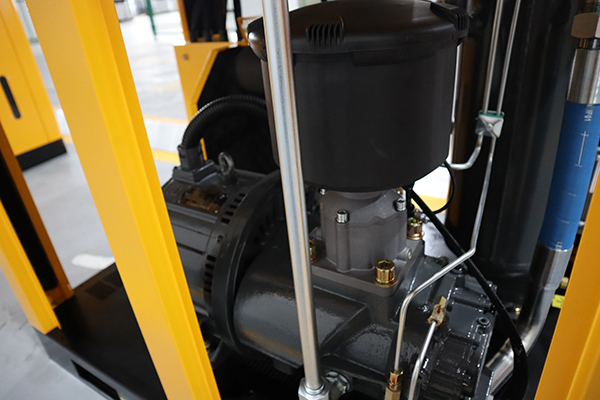
A permanent magnet motor delivers high efficiency over a wide load range, which suits the fluctuating air demand of battery plants. Variable speed control adjusts compressor output to match real‑time consumption from assembly robots, formation equipment, and testing stations, minimizing unloaded running and cutting power costs. High power density enables a compact footprint, freeing space for process equipment. Low vibration and reduced mechanical losses extend bearing life and service intervals. Together, these features lower total cost of ownership and support continuous, 24/7 battery production.
Supporting Testing, Formation, and Safety Processes
Battery formation, capacity grading, leakage testing, and cooling processes all depend on stable compressed air. Precision leak tests for cells, modules, and packs require consistent pressure and flow to ensure accurate detection of micro‑defects. Compressed air also feeds air knives, cooling blowers, and pneumatic actuators in formation racks and end‑of‑line test benches. A permanent magnet air compressor maintains tight pressure control, which improves test repeatability and shortens cycle times. This contributes directly to product traceability, safety compliance, and lower scrap rates in highly automated gigafactories.
Integration, Maintenance, and Energy Management
Modern permanent magnet compressors integrate with plant monitoring systems via industrial communication protocols, allowing real‑time tracking of pressure, power consumption, and operating status. Predictive maintenance features use temperature, vibration, and running hours to plan service before failures occur, improving uptime in critical battery workshops. When combined with heat recovery systems, the compressor’s waste heat can preheat process water or HVAC air, further improving overall energy utilization. These capabilities align with the sustainability goals and carbon reduction targets that leading battery manufacturers must meet.
1What purity level of compressed air is required for battery manufacturing?
Many lines target ISO 8573 Class 1–2 oil and particulate levels with a low pressure dew point to protect coating, drying, and sealing processes, achieved through permanent magnet compressors and downstream filtration.
2How does a permanent magnet air compressor reduce energy costs in a gigafactory?
High motor efficiency and variable speed regulation reduce unloaded running, keeping power consumption tightly aligned with actual air demand from assembly and testing equipment across shifts.
3Is a permanent magnet compressor suitable for cleanroom environments?
Yes, when combined with appropriate filters and dryers, it delivers stable, low‑contamination compressed air, supporting cleanroom classifications used in advanced cell and module production areas.