Permanent Magnet Air Compressor for Aerospace Component Production – Meets Strict Industry Specifications
News 2025-11-17
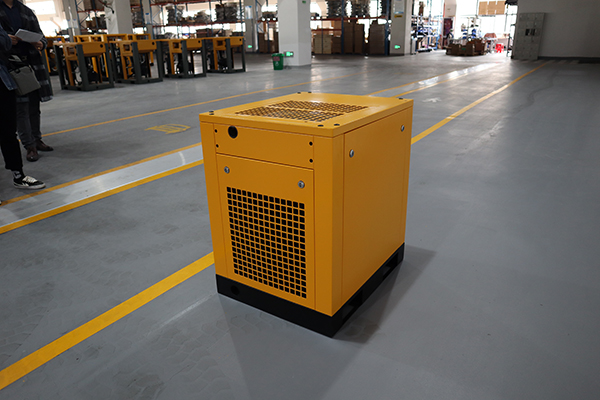
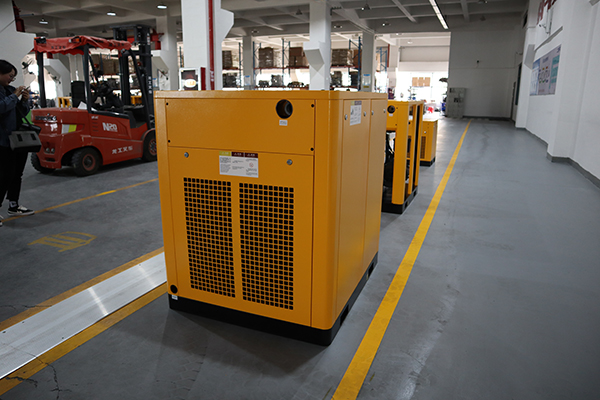
Permanent magnet air compressors are becoming a core asset in aerospace component production, where every tolerance, surface finish, and fastening operation is governed by strict international specifications. In this environment, compressed air is not just a utility; it is a controlled energy source that directly influences machining accuracy, cleanliness of assemblies, and long‑term reliability of flight‑critical parts. By combining high‑efficiency permanent magnet motors with advanced control systems, these compressors deliver stable pressure and flow that align with the demanding standards of OEMs, Tier 1 suppliers, and certified maintenance facilities.
Performance Requirements in Aerospace Manufacturing
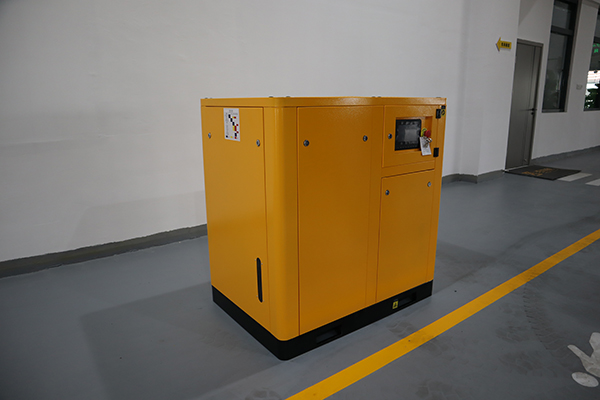
Aerospace machining centers, shot‑peening lines, anodizing baths, and precision assembly cells all depend on compressed air that remains clean, dry, and pressure‑stable over long production cycles. Permanent magnet air compressors support these processes with low pulsation output, tight pressure control, and high energy efficiency, which is crucial in 24/7 operations. Their compact footprint suits high‑value workshop floors, while low vibration and reduced noise levels improve working conditions near sensitive measurement equipment and inspection labs. By maintaining consistent air quality and pressure, they help protect surface integrity, prevent contamination, and keep process capability indices within aerospace audit requirements.
Key Technical Advantages of Permanent Magnet Technology
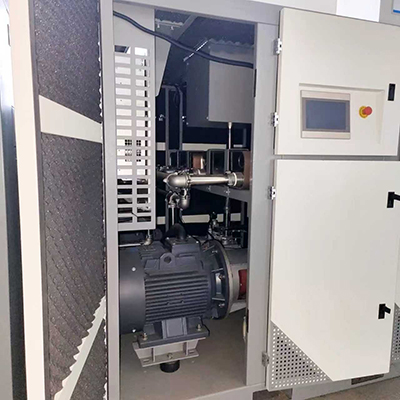
The permanent magnet motor design delivers high power density, reduced starting current, and superior partial‑load efficiency when compared with conventional induction‑motor compressors. Integrated variable speed drives adjust motor speed to match real‑time air demand from CNC machines, robotic assembly lines, and test benches, cutting energy consumption and lowering lifecycle cost. Precise temperature and lubrication management protects compressor elements during long duty cycles, minimizing unplanned downtime. Advanced electronic controllers enable remote monitoring of pressure, flow, and energy usage, allowing maintenance teams to schedule service intervals based on actual operating data and satisfy aerospace traceability and documentation practices.
Compliance, Reliability, and Process Stability
Aerospace production programs operate under strict certification frameworks, and compressed air systems must support these quality objectives. Permanent magnet air compressors can be integrated with multi‑stage filtration, dryers, and monitoring instruments to achieve the ISO air purity classes specified for blasting, painting, and instrument air. Stable pressure protects torque accuracy in pneumatic tools and repeatability in automated fastening systems used for fuselage sections, engine components, and landing gear assemblies. High efficiency and low maintenance frequency help manufacturers meet sustainability targets and cost‑per‑part benchmarks, maintaining competitiveness across long program lifecycles and global supply chains.
Integration and Application Scenarios in Aerospace Facilities
In engine component plants, permanent magnet air compressors support high‑precision grinding, cooling, and tool changing operations where airflow interruptions can damage expensive hardware. In composite manufacturing, they provide clean air for vacuum bagging, trimming, and dust extraction systems that protect both product quality and worker safety. Final assembly lines use these compressors as the backbone for pneumatic tools, leak testing, pressure decay checks, and on‑site calibration labs. Flexible control options allow the system to adapt to ramp‑up phases, peak production, or maintenance outages, ensuring that critical cells receive consistent air supply without oversizing the compressor room.
1、How does a permanent magnet air compressor improve aerospace part quality?
Stable pressure, clean air, and accurate flow control reduce variation in machining, fastening, and surface treatment, helping aerospace manufacturers keep tight tolerances and meet strict inspection criteria.
2、What energy savings can be expected in an aerospace plant?
Variable speed permanent magnet compressors typically reduce energy consumption by 20–40 percent compared with fixed‑speed units, especially in facilities with fluctuating demand across multiple shifts.
3、Is a permanent magnet compressor suitable for retrofitting existing lines?
Yes, it can usually be integrated into current piping, filtration, and control systems, upgrading energy performance and pressure stability without major changes to aerospace production layouts.