Permanent Magnet Air Compressor for Marine Applications – Saltwater-Resistant Design for Shipyards
News 2025-11-17
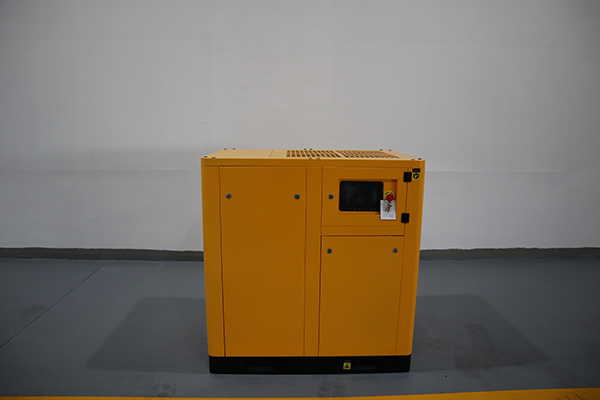
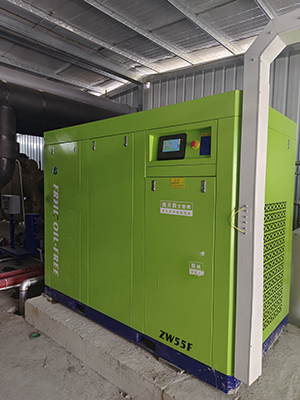
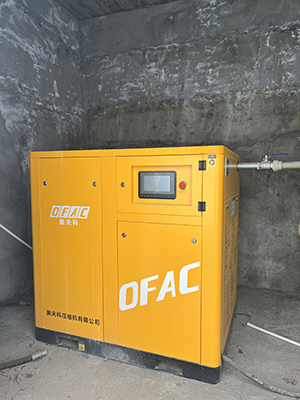
Permanent magnet air compressors tailored for marine environments have become a key asset for shipyards and offshore operators. These systems deliver high-efficiency compressed air while withstanding harsh salt-laden atmospheres, continuous vibration, and fluctuating loads. By combining corrosion‑resistant materials, sealed electrical components, and optimized control systems, they support critical shipbuilding, repair, and docking operations with stable performance and reduced lifecycle cost.
Marine Application Scenarios in Shipyards
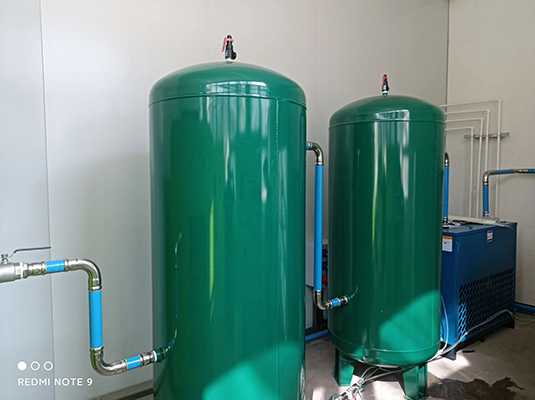
Permanent magnet air compressors serve a broad range of shipyard processes. They power pneumatic tools for hull fabrication, blasting and painting systems, valve actuation, winches, and automation equipment on docks and dry docks. During newbuild construction, stable air supply is needed around the clock for cutting, welding support, and surface treatment. During maintenance and refit, mobile compressor units feed onboard networks through flexible hose systems, ensuring consistent pressure from quayside to engine room while ships remain alongside.
Saltwater-Resistant Mechanical and Electrical Design
A saltwater‑resistant design is fundamental for long service life in coastal facilities. Key components such as air ends, piping, fasteners, and frames use marine‑grade stainless steel, coated alloys, and multi‑layer anti‑corrosion treatments. Enclosures follow IP-rated sealing standards to block saline spray and airborne contaminants. Critical parts, including permanent magnet motors, inverters, and control panels, are encapsulated or conformal‑coated to prevent moisture ingress. Efficient oil separation and high‑capacity filtration help protect internal surfaces from corrosion and extend service intervals.
Performance Benefits of Permanent Magnet Technology
Permanent magnet motors deliver high energy efficiency over a wide load range, which is especially important for shipyards where air demand fluctuates between peak construction shifts and off‑peak maintenance. Variable speed control adjusts compressor output precisely to actual consumption, cutting power waste and lowering operating costs. High torque at low speed enables compact designs with low vibration and reduced noise, improving working conditions on busy piers. Stable discharge pressure enhances the quality of blasting, coating, and precision assembly, reducing rework and improving overall productivity.
Importance in Marine Industrial Processes and Maintenance
For marine operations, compressed air is a utility as critical as electrical power or water. In docking operations, dependable air supply ensures accurate control of ballast systems, actuators, and safety valves. During coating and surface preparation, consistent pressure and clean, dry air directly influence adhesion quality and corrosion protection on hulls and superstructures. Saltwater‑resistant permanent magnet compressors minimize unplanned downtime caused by corrosion‑related failures and enable predictive maintenance strategies through smart monitoring, supporting continuous shipyard throughput and lower total cost of ownership.
1、How does a permanent magnet compressor reduce shipyard energy costs?
High‑efficiency permanent magnet motors and variable speed drives match air production to real demand, decreasing partial‑load losses and reducing kWh consumption over long operating hours.
2、Why is saltwater resistance so important for dockside installations?
Dockside compressors are constantly exposed to spray, humidity, and chloride particles; corrosion‑resistant design prevents leakage, mechanical seizure, and electrical faults that could interrupt critical marine operations.
3、Can the same compressor serve both shore and onboard applications?
Yes, many units are configured for shore‑based installation with interfaces for onboard distribution, and with appropriate classification and vibration isolation they can also be installed directly in ship engine rooms or auxiliary machinery spaces.