Permanent Magnet Air Compressor for Automotive Repair Shops – Versatile Use for Vehicle Maintenance Tasks
News 2025-11-17
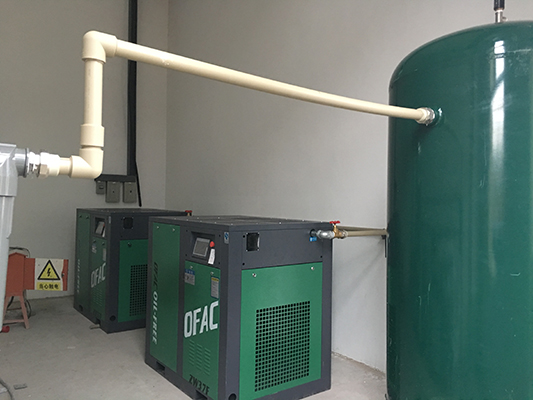
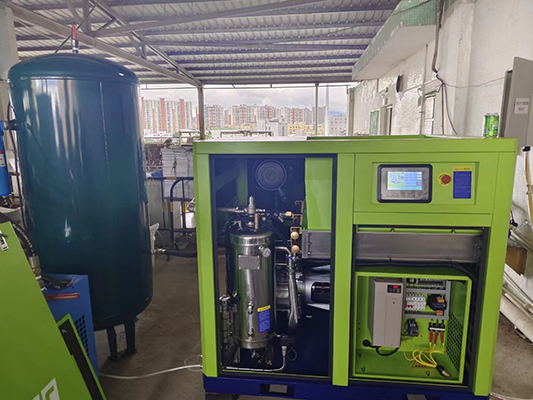
Permanent magnet air compressors are reshaping compressed air supply in automotive repair shops, where consistent pressure, low noise, and compact footprint are critical. By integrating high‑efficiency permanent magnet motors with intelligent control, these systems deliver stable airflow for tasks ranging from tire inflation and pneumatic tooling to paint spraying and engine bay cleaning. Their performance profile aligns with the demanding working rhythms of modern vehicle service facilities, supporting high output while keeping operating costs under control.
Key Applications in Vehicle Maintenance
In an automotive repair shop, a permanent magnet air compressor powers impact wrenches, ratchets, grinders, and sanders used at multiple bays throughout the day. Stable pressure curves help technicians remove corroded bolts, press suspension components, and operate lift locking systems without pressure drops. During body and paint work, clean, dry air supports spray guns, blow‑off nozzles, and polishing tools, helping maintain surface quality and reducing rework. These compressors also supply air for tire mounting machines, nitrogen generators, and brake cleaning, making them a central energy source for almost every maintenance task.
Performance Advantages and Energy Savings
Permanent magnet motors provide high efficiency over a wide speed range, which pairs well with variable frequency drives to match airflow output to real‑time demand in the shop. This reduces energy consumption and cuts lifecycle costs compared with traditional fixed‑speed compressors. Strong starting torque allows frequent start‑stop cycles without overheating, while low vibration and reduced mechanical losses contribute to longer component life. Many units integrate advanced cooling and optimized rotor designs, improving part‑load performance, lowering discharge temperature, and keeping noise levels suitable for indoor workshop environments.
Role in Industrial‑Grade Process Quality
Automotive repair facilities increasingly follow industrial standards for process control and quality assurance. A permanent magnet air compressor designed for industrial duty offers stable pressure regulation, precise flow control, and compatibility with air treatment systems such as dryers and filters. This combination protects pneumatic tools, prevents moisture‑related failures in paint and coating operations, and supports consistent torque output for safety‑critical fasteners. Remote monitoring and smart control options help managers track power consumption, schedule maintenance, and maintain uptime, turning the compressed air system into a predictable, manageable production resource.
Selection and Integration in the Workshop
When selecting a permanent magnet air compressor for an automotive shop, planners evaluate airflow requirements during peak activity, available electrical capacity, and layout constraints. Wall‑mounted or tank‑integrated models save floor space, while modular configurations allow expansion as the number of service bays grows. Integration with storage tanks, filtration, and distribution piping ensures stable supply at all workstations. Attention to ventilation, condensate management, and noise control maximizes long‑term reliability and technician comfort, reinforcing the compressor’s value as core infrastructure for the business.
1. How does a permanent magnet air compressor reduce operating costs?
High motor efficiency and variable speed control lower energy use, and reduced mechanical wear cuts maintenance frequency and downtime.
2. Is it suitable for both mechanical and body shop tasks?
Yes, the same unit can power impact tools, lifts, tire equipment, and paint spray systems when paired with proper air treatment.
3. What maintenance does the compressor typically require?
Regular filter changes, oil checks for lubricated models, periodic leak inspections, and scheduled service based on operating hours.