Cost-effective water-lubricated oil-free screw air compressor value-driven performance
News 2025-11-17
Cost-effective water-lubricated oil-free screw air compressor value-driven performance
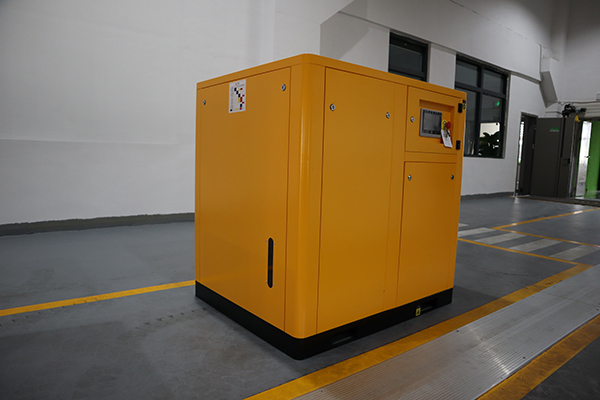
Water-lubricated oil-free technology in modern plants
Water-lubricated oil-free screw air compressors are reshaping compressed air systems in sectors where purity and energy control are critical. By using treated water instead of mineral oil inside the compression chamber, these units eliminate the risk of hydrocarbon carryover and reduce downstream filtration complexity. Industries such as pharmaceuticals, food and beverage, electronics, precision coating, and medical devices increasingly specify this technology to meet strict regulatory standards and internal quality audits while maintaining predictable operating expenditure.
Value-driven performance and cost control
The value of these compressors lies in lifecycle economics rather than purchase price alone. Water has excellent heat absorption, enabling near-isothermal compression and lower specific power consumption. This translates into reduced kWh per cubic meter of air delivered and smaller cooling system requirements. The absence of expensive food-grade or synthetic lubricants cuts consumables cost, while extended service intervals reduce labor and downtime. For facilities running multiple shifts, the cumulative savings in electricity, maintenance, and filter replacement deliver a compelling return on investment and stable cost-per-unit of production.
Clean air quality and process integrity
In oil-free screw stages lubricated by water, the compression chamber is isolated from hydrocarbons, minimizing contamination risk for sensitive end products. Clean, dry air protects pneumatic valves, actuators, and instrumentation from fouling, which in turn stabilizes cycle times and improves process repeatability. In packaging lines, fermentation tanks, aseptic filling rooms, and SMT electronic assembly, consistent Class 0 quality compressed air helps reduce scrap rates and unplanned quality deviations. This direct link between air purity and product yield underscores the strategic role of water-lubricated oil-free compressors in modern process control.
Key applications and system integration benefits
These compressors are widely used in bottle blowing, dairy and beverage aeration, pharmaceutical tableting, cleanroom air knives, painting and powder coating, as well as precision machining. When integrated into a centralized compressed air system with variable speed drives and smart controls, they support dynamic load sharing and pressure band optimization. The result is stable header pressure, fewer compressor starts, and a longer lifetime for dryers and filters. Their compact footprint and reduced noise level also simplify installation in space-constrained utility rooms close to production, cutting piping losses and improving overall system efficiency.
Environmental responsibility and future readiness
Water-lubricated oil-free screw compressors support corporate sustainability goals by lowering energy consumption and eliminating oil discharge into the environment. Reduced filter waste, fewer lubricant changes, and lower cooling requirements contribute to a smaller carbon footprint. Many models support energy monitoring and remote diagnostics, helping maintenance teams track specific power, leak rates, and operating hours in real time. As environmental regulations tighten and customers demand cleaner manufacturing, investing in this technology positions plants for future certifications and strengthens their brand reputation in global supply chains.
1、What industries benefit most?
Sectors needing high-purity compressed air, such as food, beverage, pharmaceuticals, electronics, medical devices, and precision coating operations, gain the greatest value from water-lubricated oil-free screw compressors.
2、How do these compressors reduce operating costs?
They lower power consumption through efficient near-isothermal compression, use low-cost water instead of expensive oil, and extend service intervals, cutting energy, consumable, and maintenance expenses over the equipment lifecycle.
3、Why are they important for process quality?
By delivering oil-free, clean compressed air, they protect critical equipment, reduce contamination risk, and enhance product consistency, directly improving yield, uptime, and overall process reliability.