Power-saving water-lubricated oil-free screw air compressor energy efficiency in modern industry
News 2025-11-17
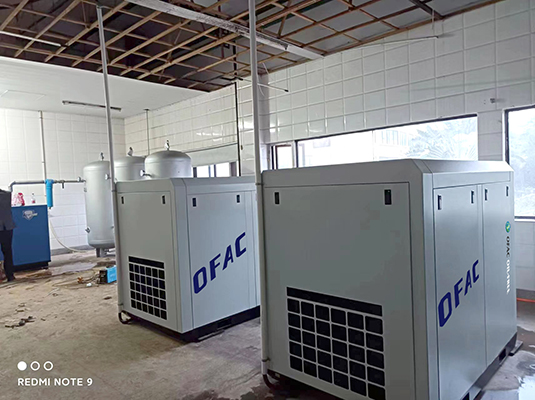
Power-saving water-lubricated oil-free screw air compressor energy efficiency has become a core topic in many industrial facilities seeking lower lifecycle costs and greener production. By combining oil‑free compression chambers, water lubrication, and optimized screw rotors, these systems deliver clean, stable compressed air while significantly reducing energy losses. As energy prices rise and emission regulations tighten, more factories, processing plants, and utilities are evaluating this technology as a strategic investment rather than just an equipment upgrade.
Key working principles and design characteristics
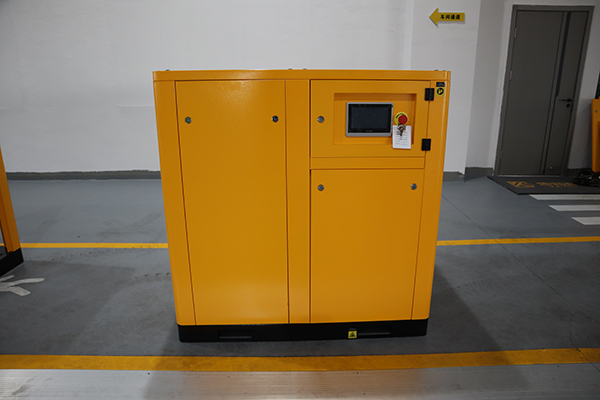
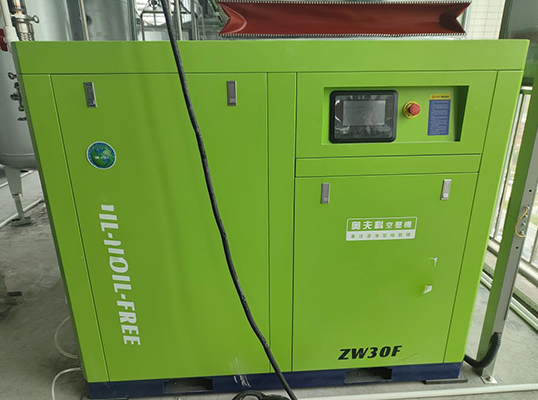
Water‑lubricated oil‑free screw compressors use water as the sealing, cooling, and lubricating medium inside the compression chamber. This design eliminates oil carryover risk and simplifies downstream filtration. The screw rotors are precisely machined to maintain tight clearances, minimizing internal leakage and improving volumetric efficiency. Variable speed drives, efficient motor systems, and intelligent control algorithms adjust output to match real‑time air demand, cutting unnecessary idling and unload losses. Together, these features support stable pressure control, lower discharge temperatures, and extended component life.
Performance advantages and energy efficiency benefits
Compared with traditional oil‑injected machines, water‑lubricated oil‑free screw compressors typically offer reduced specific power consumption, helping plants achieve measurable savings in kWh per cubic meter of air produced. The absence of oil reduces pressure drop across filters and dryers, improving system efficiency. Lower discharge temperatures decrease the load on downstream cooling equipment, while soft‑start and VSD control reduce mechanical stress. Over the full operating cycle, these factors convert into lower operating costs, higher system availability, and improved power‑saving performance that supports company energy management targets.
Industrial applications and process importance
This compressor technology is widely applied in industries where air purity and process stability are critical, including food and beverage, electronics manufacturing, pharmaceutical production, textile mills, and precision instrument plants. Oil‑free and water‑lubricated operation protects sensitive products, prevents contamination of pneumatic equipment, and meets strict regulatory standards. In continuous or batch processes that rely on stable compressed air, such as fermentation, packaging, coating, and cleanroom operations, high energy efficiency directly impacts production cost, product quality, and plant sustainability performance.
System integration, maintenance and long-term value
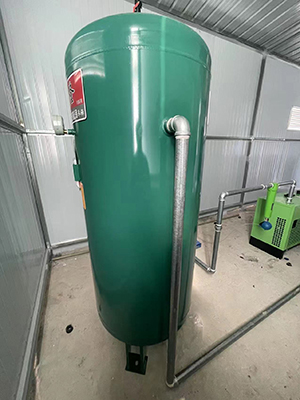
When integrated into a well‑designed compressed air network, water‑lubricated oil‑free screw compressors can be combined with air receivers, heat recovery systems, and advanced monitoring platforms to maximize efficiency. Predictive diagnostics and remote monitoring help operators track load profiles, leakage, and maintenance intervals. Routine checks of water quality, seals, and control parameters are straightforward and help sustain long‑term performance. By reducing energy consumption, downtime, and the need for oil management, these compressors deliver a strong total cost of ownership advantage and support corporate carbon reduction commitments.
Common questions about oil-free screw air compressor energy efficiency
1. How does oil-free design affect air quality?
Oil-free screw compressors eliminate oil carryover, delivering cleaner compressed air that protects sensitive equipment and products in industries like food, pharma, and electronics.
2. Are water-lubricated compressors suitable for continuous operation?
Yes, when properly sized and maintained, water-lubricated oil-free screw compressors provide stable output and high efficiency in 24/7 continuous industrial duty.
3. What factors influence overall energy savings?
Key factors include correct capacity selection, variable speed control, system leakage management, maintenance quality, and integration of heat recovery or smart monitoring systems.