Affordable-priced water-lubricated oil-free screw air compressor budget options
News 2025-11-17
Affordable-priced water-lubricated oil-free screw air compressor budget options
Market positioning and core benefits
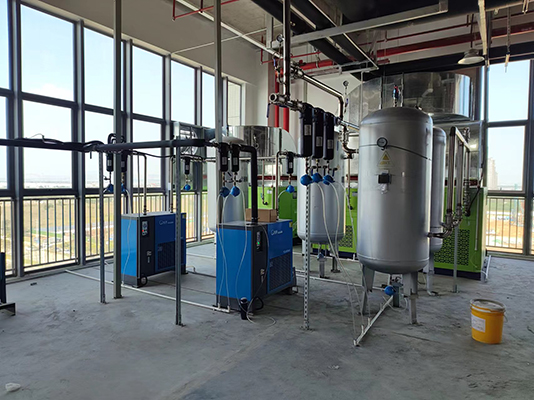
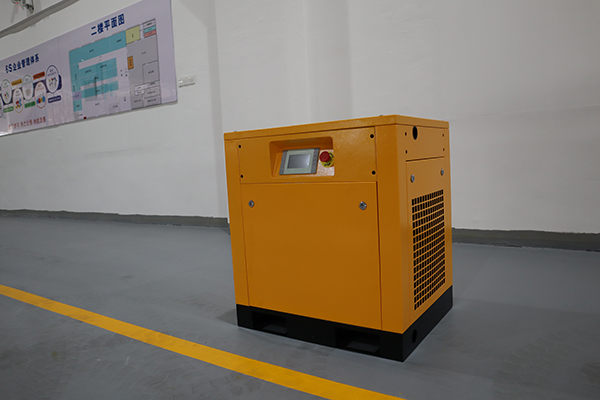
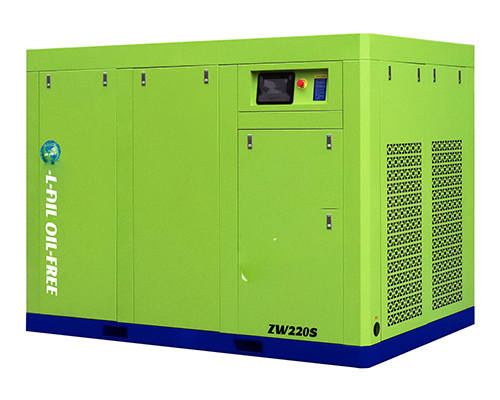
Affordable water-lubricated oil-free screw air compressors occupy a growing niche between low-cost lubricated units and premium oil-free systems. They are engineered to deliver oil-free air quality while using water as the sealing, cooling, and lubricating medium, significantly reducing contamination risk in sensitive production lines. For budget-conscious plants, these compressors offer lower acquisition cost and simplified maintenance compared with traditional dry oil-free designs. Their optimized rotor profiles and variable-speed options help achieve consistent discharge pressure, steady airflow, and reduced energy consumption, directly contributing to lower lifecycle cost and improved overall equipment effectiveness.
Key performance features and operational stability
From a performance standpoint, budget water-lubricated oil-free screw compressors focus on achieving high isothermal efficiency and stable operation under fluctuating demand. Water cooling allows better heat dissipation, which reduces thermal stress on components and supports longer service intervals. Modern controllers monitor temperature, pressure, and water quality, enabling precise load-unload control and fast response to peak air demand. Noise and vibration levels are typically lower than those of piston compressors, supporting safer, more comfortable working environments. When combined with efficient inlet filters and integrated dryers, these units deliver clean, dry, oil-free compressed air suitable for critical industrial processes while keeping operating costs under tight control.
Application scenarios in industrial environments
Budget-focused water-lubricated oil-free screw compressors are widely deployed in sectors where air purity and cost optimization must coexist. Typical applications include food and beverage packaging, where oil-free air prevents product contamination and labeling defects; electronics assembly, where clean compressed air protects sensitive components from residue and particles; and textile mills, where stable air supply supports loom operation and pneumatic handling. They also serve in pharmaceutical plants for non-contact utilities, general manufacturing for pneumatic tools and robotic actuators, and automotive workshops for painting and finishing lines. By choosing an affordable model sized correctly for actual demand, facilities can achieve adequate flow, purity, and pressure without overspending on overspecified premium systems.
Selection, maintenance, and cost optimization
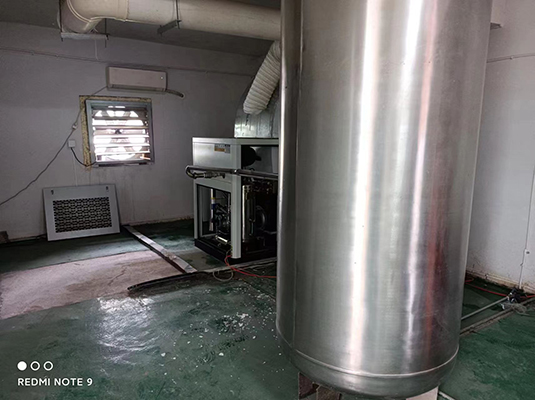
When selecting budget-friendly models, plant engineers should evaluate free air delivery, operating pressure range, duty cycle, and noise rating alongside certification for oil-free performance. Attention must also be paid to water management, including water quality, filtration, and discharge handling, to ensure stable compressor efficiency and protect internal components from scaling or corrosion. Routine maintenance typically involves monitoring seals, checking water circuits, and verifying controller alarms, tasks that can be completed quickly by in-house technicians. Integrating the compressor into an optimized air system featuring smart controls, leak detection, and properly sized receivers further reduces energy consumption. Over time, these tactics enhance return on investment and make lower-priced water-lubricated units a strong alternative to higher-cost oil-free technologies.
Common questions about budget water-lubricated oil-free compressors
1. Are budget water-lubricated oil-free compressors suitable for critical industries?
Yes, many models meet stringent air quality standards and are suitable for food, beverage, and electronics applications when combined with proper filtration and dryers.
2. How do they compare in energy efficiency to traditional oil-injected screw units?
Water-lubricated oil-free compressors often achieve comparable or better efficiency, especially when paired with variable-speed drives and well-designed air systems.
3. What factors most affect long-term ownership cost?
Key factors include energy consumption, water treatment and disposal, maintenance intervals, and correct sizing of the compressor to match actual plant air demand.