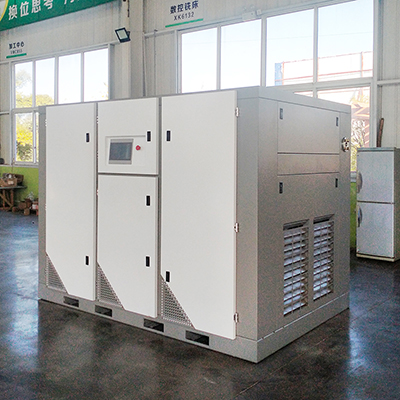
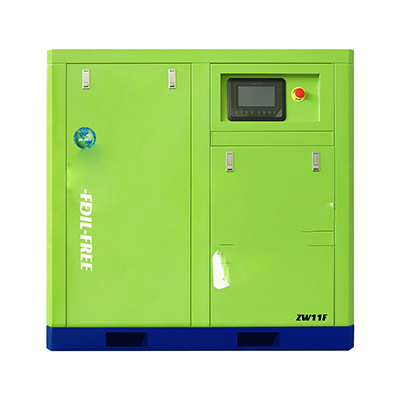
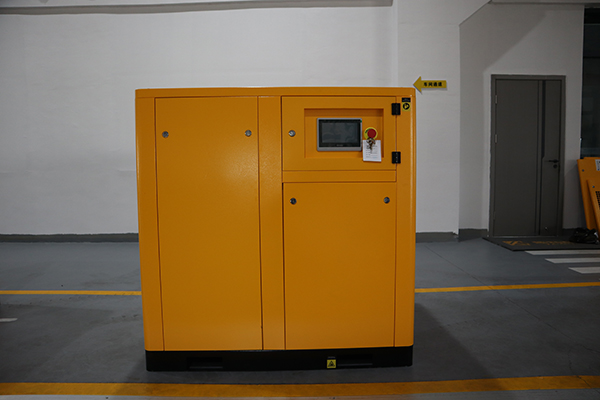
fixed speed screw air compressor Installation Mistakes That Cause Unplanned Downtime
News 2025-12-22
Incorrect installation of a fixed speed screw air compressor is one of the main hidden causes of sudden production stoppages. In automotive workshops, food plants, metal fabrication lines, and electronics assembly, compressed air is a primary utility driving tools, actuators, and process valves. When the compressor is poorly installed, vibration, overheating, oil carryover, and unstable pressure quickly appear, cutting into productivity and raising total operating cost. Understanding key installation mistakes is therefore critical to keep high-duty industrial processes running smoothly and to protect the performance advantages of fixed speed screw technology such as stable airflow and robust torque output.
Improper Site Selection and Ventilation
Placing the compressor in a cramped, dusty corner or near heat sources is a frequent early mistake. Fixed speed screw air compressors generate substantial heat and require steady inlet air for efficient cooling. Poor ventilation causes elevated discharge temperatures, premature oil degradation, and repeated thermal trips, all of which trigger unplanned downtime. In applications such as continuous packaging lines or painting booths, a single overheat event can halt the entire process. Installers should provide adequate clearance, duct hot air away from the machine, and ensure the ambient temperature stays within the manufacturer’s stated range, especially for 24/7 industrial duty.
Incorrect Piping Layout and Sizing
Air distribution errors undermine the stable pressure that fixed speed screw units are designed to deliver. Undersized pipelines, excessive bends, and long flexible hoses create pressure drop, turbulence, and moisture accumulation. In CNC machining, laser cutting, and pneumatic conveying, this leads directly to tool malfunctions and product defects. A properly engineered ring main, smooth-radius elbows, and correctly sized headers help maintain pressure at the point of use while protecting against water hammer and leaks. Installing isolation valves and bypass loops also supports maintenance without shutting down the entire compressed air network.
Neglecting Filtration, Drains, and Power Quality
Many downtime incidents stem from skipped accessories rather than the compressor itself. Inadequate inlet filtration allows dust into the air end, accelerating wear and reducing efficiency. Missing or poorly set automatic drains let condensate flood receivers and lines, corroding equipment and damaging pneumatic components in sensitive industries such as pharmaceuticals and food processing. On the electrical side, unstable voltage, loose terminals, and undersized cables can trip drives and overload starters, especially during heavy demand cycles. Following the manufacturer’s recommendations for filters, dryers, drains, and power connections is crucial to keep performance consistent.
Lack of Commissioning Checks and Monitoring
Rushing startup without systematic commissioning is another common mistake. Verifying rotation direction, checking oil levels, confirming system pressure, and testing safety shutdowns are basic steps that prevent early failure. Once operating, continuous monitoring of temperature, pressure, and running hours enables predictive maintenance instead of reactive repairs. Modern fixed speed screw compressors, when paired with data logging or remote monitoring, give maintenance teams insight into load patterns in industries like textile production, metallurgy, and chemical processing, reducing the risk of unexpected stoppage.
1. What industries benefit most from fixed speed screw air compressors?
They are widely used in metalworking, automotive repair, textile, food and beverage, electronics, and general manufacturing where stable, continuous air demand dominates.
2. How does proper installation improve compressor efficiency?
Correct layout, ventilation, and piping reduce pressure drop, overheating, and leaks, allowing the compressor to operate closer to its design point and lowering energy consumption.
3. Why are filtration and drying so important in industrial air systems?
Clean, dry air protects tools, valves, and process equipment from corrosion, clogging, and contamination, directly supporting product quality and reducing unplanned shutdowns.