fixed speed screw air compressor Operational Costs Hidden In Daily Use
News 2025-12-22
Fixed speed screw air compressor Operational Costs Hidden In Daily Use
Energy Consumption Beyond Nameplate Data
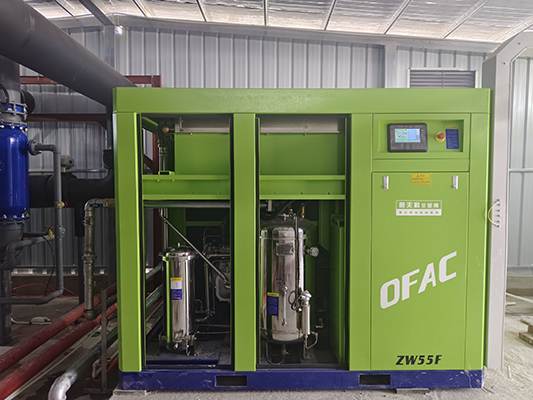
Fixed speed screw air compressors are often judged only by rated power and delivery pressure, yet the real operational cost lies in how long they run loaded and unloaded. In continuous industrial processes such as automotive painting lines, food packaging, and metal fabrication, a compressor may idle for long periods while still drawing 25–40% of full load power. Repeated load–unload cycling also increases heat, mechanical stress, and lubricant degradation. When plants size compressors for peak demand rather than typical demand, they lock in excessive kWh usage that is invisible in monthly utility summaries but crucial over the equipment life cycle.
Maintenance, Wear, and Hidden Downtime
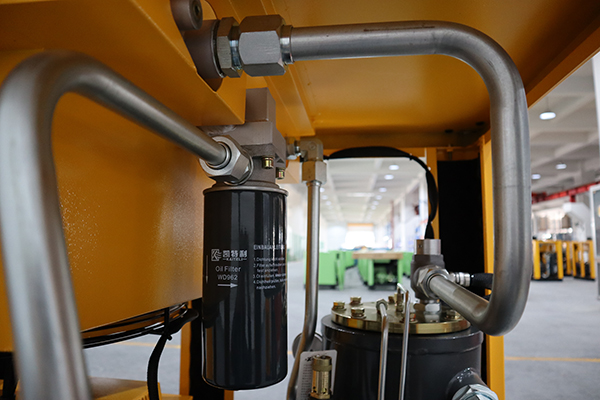
Maintenance budgets frequently underestimate the cumulative cost of operating a fixed speed screw air compressor. Constant high-speed operation accelerates wear of bearings, seals, air ends, and drive components, particularly in dusty or humid environments like cement plants and textile mills. Oil filters and separators clog faster, increasing pressure drop and energy draw. Unplanned shutdowns can halt pneumatic tools, conveying systems, and process controls, leading to production losses far greater than the price of spare parts. A structured service schedule, condition monitoring, and proper filtration strategy are therefore vital cost-control tools.
System Design, Leakage, and Pressure Losses
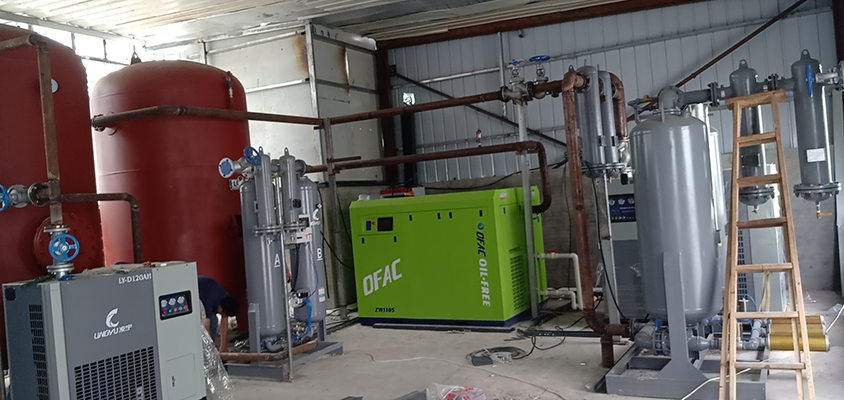
The compressor itself is only one element of the compressed air system. Poorly designed distribution piping, oversized storage, and inadequate dryers force a fixed speed screw unit to operate at higher pressures than required, significantly raising energy consumption. Air leaks from worn couplings, valves, and hoses can easily consume 20–30% of generated air in aging plants. In applications such as CNC machining, pharmaceutical packaging, and electronics assembly, even minor pressure fluctuations can disrupt precision tools. System audits, leak detection, and optimized pressure settings directly reduce long-term operational costs while improving process stability.
Performance Optimization and Application Matching
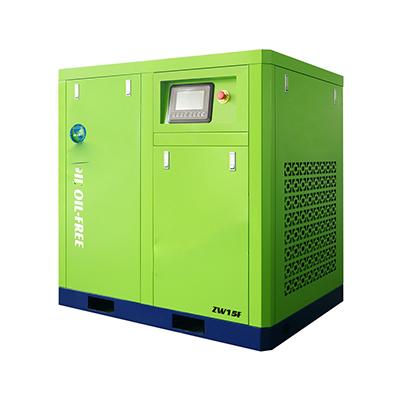
Choosing a fixed speed screw air compressor that matches the load profile is critical to unlocking performance advantages. For stable, round-the-clock processes such as petrochemical plants or glass production, fixed speed units deliver strong efficiency, consistent pressure, and robust duty cycles. However, in variable-load environments, pairing a fixed speed machine with a smaller trim compressor or storage can cut cycling losses. Integrating proper cooling, high-efficiency motors, and energy monitoring helps convert hidden costs into visible metrics that management can optimize over time.
Key Questions About Operational Costs
1How often should maintenance be performed?
Most industrial users should follow the manufacturer schedule, typically every 2,000–4,000 hours for filters and oil, while performing weekly checks on temperature, noise, and condensate to avoid costly failures.
2Can leakage really affect total cost significantly?
Yes, even small leaks can add up to thousands of dollars per year in wasted energy, so regular leak surveys and prompt repairs are among the fastest payback actions.
3When is a fixed speed unit the best choice?
It is most cost-effective where air demand is stable and continuous, making it ideal for base-load supply in large manufacturing plants and heavy-duty industrial processes.