fixed speed screw air compressor Environmental Compliance Standards To Meet In Modern Industry
News 2025-12-22
Fixed speed screw air compressor Environmental Compliance Standards To Meet In Modern Industry
Regulatory Framework And Emission Limits
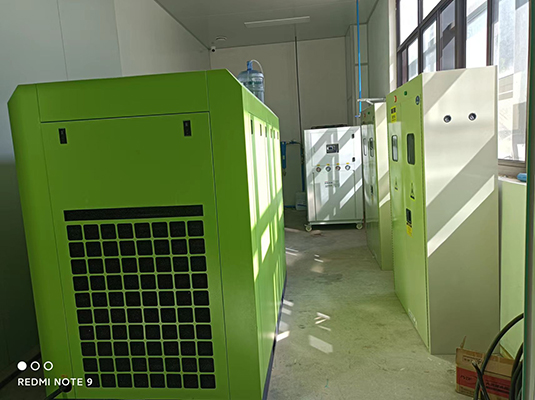
Fixed speed screw air compressors operate at constant speed and are often classified as core utility equipment, so they must comply with both energy-efficiency and environmental regulations. Key frameworks include ISO 8573 for compressed air quality, ISO 50001 for energy management, and regional eco‑design directives that define minimum efficiency levels and sound power limits. Operators must consider indirect emissions from electricity consumption, refrigerant global warming potential in dryers, and lubricant disposal rules under hazardous waste regulations. Meeting these standards reduces lifecycle carbon footprint, supports environmental audits, and helps industrial plants secure certifications demanded by automotive, food, and pharmaceutical customers.
Application Scenarios Driving Compliance Needs
These compressors are deployed in demanding environments such as metal fabrication, cement plants, textile lines, and continuous‑process chemical facilities where 24/7 duty is common. In food and beverage packaging, fixed speed screw machines often feed oil‑free or high‑purity air systems that must satisfy strict contamination thresholds to avoid product recall risk. In electronics manufacturing, moisture and particulate control are critical to protect sensitive components, pushing users to adopt multi‑stage filtration that aligns with ISO 8573‑1 classes. Wastewater treatment plants use fixed speed units for aeration, where noise and energy use are closely monitored by local environmental agencies. Across these scenarios, compliance is not only legal: it directly impacts product quality, worker safety, and community relations.
Performance Advantages Supporting Environmental Goals
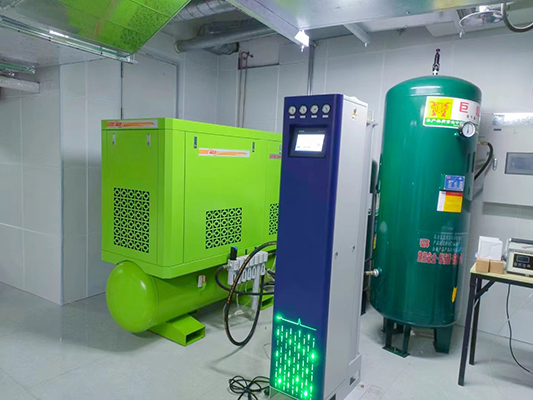
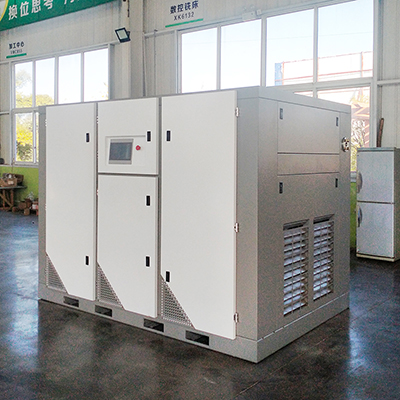
Fixed speed screw air compressors deliver stable pressure, high volumetric efficiency, and long service life, making them ideal for baseload applications. Their constant‑speed operation simplifies system design and enables precise sizing of dryers, filters, and heat‑recovery modules. High‑efficiency motors, optimized rotor profiles, and low‑loss inlet systems reduce specific power consumption, cutting indirect CO₂ emissions from electricity generation. Many models integrate variable‑speed cooling fans, eco‑friendly lubricants, and advanced controllers that enable automatic unload and stop functions during low demand. These features not only satisfy efficiency and noise regulations but also reduce oil carryover and discharge temperature, extending filter life and minimizing environmental impact from consumables.
Best Practices For Compliance, Monitoring And Documentation
To consistently meet environmental compliance standards, operators should implement periodic leak detection, airflow measurement, and power logging to keep specific energy within target ranges. Installing energy meters and dew‑point sensors allows real‑time verification of system performance during environmental audits. Routine oil analysis, proper condensate treatment, and certified disposal records help demonstrate conformity with waste and water regulations. Integrating the compressor into a plant‑wide monitoring system improves load management between fixed speed and variable speed units, ensuring the baseload machine always runs in its optimal efficiency window. Documented maintenance schedules, calibration reports, and ISO‑aligned procedures strengthen due‑diligence evidence and reduce compliance risk during third‑party inspections.
Key Questions About Environmental Compliance
1. How does compressor efficiency affect environmental compliance?
Higher efficiency reduces electricity use, lowering indirect greenhouse gas emissions and helping facilities meet carbon reduction targets and regulatory energy‑performance indicators.
2. Which standards are most relevant to compressed air quality?
ISO 8573‑1 defines classes for particles, water, and oil; many industries specify a target class within contracts and audits, making it the primary reference for air cleanliness.
3. Why are maintenance records important for compliance?
Documented maintenance proves that filters, dryers, and condensate treatment systems function as designed, providing traceable evidence during inspections and supporting certification renewal.