fixed speed screw air compressor Cooling System Issues That Arise Over Time
News 2025-12-22
Fixed speed screw air compressor Cooling System Issues That Arise Over Time
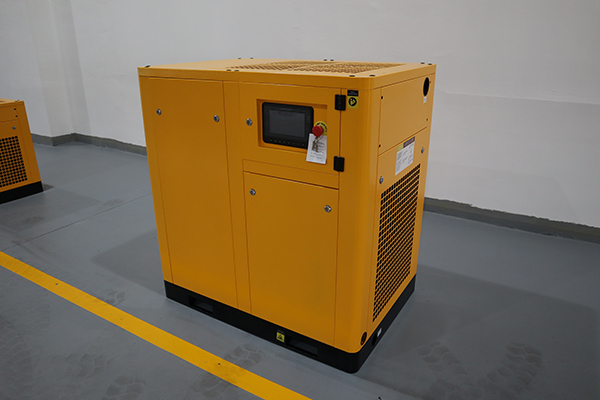
Cooling System Functions In Industrial Applications
The cooling circuit in a fixed speed screw air compressor regulates oil and air temperatures, protecting bearings, rotors, seals, and electronic controls. In manufacturing plants, food packaging lines, mining sites, and chemical processing, stable discharge temperature is critical for air quality and for preventing unplanned stops. Heat exchangers, fans, thermostatic valves, and oil coolers work together to keep the compressor within its designed thermal envelope. When the cooling system degrades over time, efficiency falls, specific power rises, and the risk of shutdowns or safety trips increases, directly impacting production schedules and maintenance budgets.
Typical Long-Term Cooling System Problems
As operating hours accumulate, dust, oil vapour, and airborne contaminants clog air-cooled radiators and intercoolers, reducing heat transfer. Scale and sludge can build up in water-cooled systems, especially when untreated or hard water is used. Oxidized lubricant forms deposits inside coolers and piping, narrowing flow passages and elevating oil temperatures. Fan motors may lose performance, belts slip, and thermostatic valves fail to open fully, causing chronic overheating. These issues lead to frequent high-temperature alarms, accelerated oil ageing, and increased bearing wear. In demanding industrial environments, even small temperature deviations can shorten compressor life and degrade downstream equipment such as dryers and filtration units.
Impact On Performance, Energy Use And Process Quality
Cooling system deterioration directly affects compressor performance indicators, including volumetric efficiency, pressure stability, and specific energy consumption. Elevated temperatures thin the lubricant film, increasing internal leakage across the screw rotors and reducing delivered air flow at a given power input. This forces production teams to run additional compressors or operate at higher pressure setpoints, driving up energy costs. Overheated air also stresses downstream dryers, causing higher dew points and potential corrosion in pneumatic tools, valves, and actuators. In precision industries such as electronics, pharmaceuticals, and automotive painting, poor cooling control can compromise product quality, leading to rework, waste, or contamination incidents.
Preventive Measures And Optimized Maintenance Practices
To control long-term cooling issues, plant managers should implement a structured maintenance plan that targets both mechanical components and fluid quality. Regular cleaning of coolers, inspection of fan blades and guards, and verification of airflow paths help maintain design heat rejection capability. Monitoring oil condition, replacing filters on schedule, and using lubricants approved by the compressor manufacturer significantly reduce varnish and deposit formation. Water-cooled systems benefit from treated water, corrosion inhibitors, and periodic descaling. Integrating temperature and pressure trending into the plant’s monitoring system allows early detection of gradual performance drift, minimizing downtime and enhancing the overall productivity of fixed speed screw air compressors.
Short Questions And Answers
1. Why does cooler fouling matter in continuous production?
Fouled coolers raise operating temperature, reducing air delivery and increasing energy consumption, which can disrupt continuous production lines.
2. How often should cooling components be inspected?
Inspection frequency depends on site conditions, but most industrial installations benefit from monthly visual checks and detailed quarterly maintenance.
3. Can cooling upgrades improve an existing compressor?
Yes, high-efficiency fans, improved airflow ducting, and better water treatment can significantly enhance thermal stability and reduce operating costs over time.