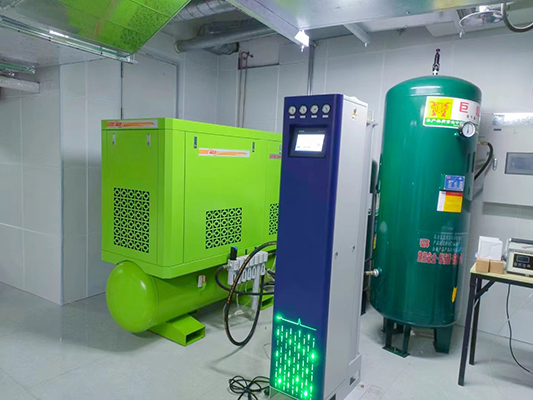
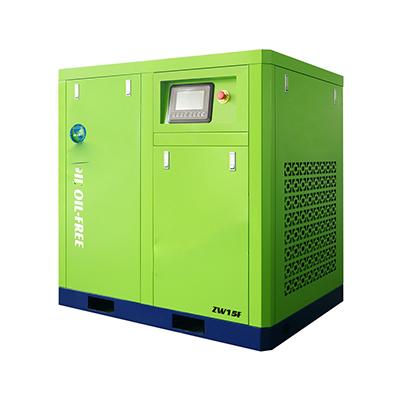
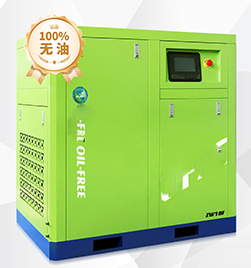
fixed speed screw air compressor Compression Efficiency Variations Analyzed
News 2025-12-22
Fixed Speed Screw Air Compressor Compression Efficiency Variations Analyzed
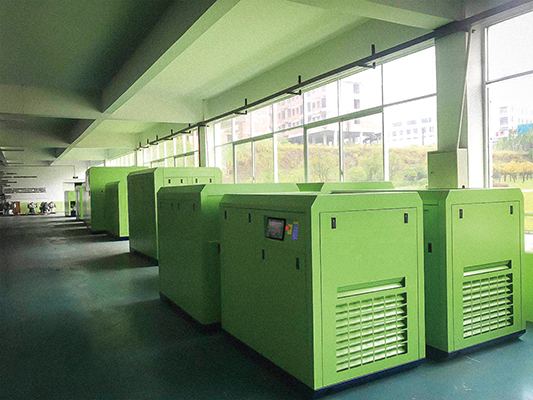
Fundamentals of Fixed Speed Screw Compressors
Fixed speed screw air compressors use intermeshing rotors to compress air at a constant motor speed, delivering steady pressure and capacity for industrial processes. Their popularity in manufacturing, automotive workshops, food packaging, and textile plants comes from robust construction, continuous-duty capability, and stable output. Compression efficiency, defined as useful compressed air energy versus electrical input, determines operating cost and thermal loading. Deviations in inlet pressure, suction temperature, and system backpressure directly influence volumetric efficiency and specific power. Understanding these fundamentals is critical for selecting and tuning compressors to match real plant demand patterns.
Key Factors Driving Efficiency Variations
Even at fixed speed, compression efficiency is not constant. Part-load operation, frequent load/unload cycles, and improper pressure setpoints create avoidable energy losses. Elevated intake temperatures decrease air density, forcing the compressor to work harder for the same mass flow. Inadequate filtration or clogged intake filters increase pressure drop, reducing volumetric efficiency. Incorrect oil type or degraded lubricant raises internal friction and rotor leakage, further lowering isentropic efficiency. System leaks, poorly sized air receivers, and restrictive distribution piping also cause pressure fluctuations that make the compressor operate outside its optimal efficiency island.
Performance Advantages in Industrial Applications
Fixed speed screw air compressors provide stable airflow ideal for continuous processes such as CNC machining, spray painting, pneumatic conveying, and PET bottle blowing. Their high duty cycle capability and rugged design support harsh environments including steel plants, cement production, and chemical facilities. When operating near design load, they offer excellent specific power and tight pressure control, protecting downstream equipment and improving product quality. Integrated aftercoolers, filters, and dryers reduce moisture and contaminants, extending tool life. Properly engineered systems help plants lower energy consumption, reduce unplanned downtime, and maintain consistent pneumatic performance across shifts.
Optimization Strategies and Monitoring Practices
To minimize efficiency variations, operators should adopt systematic monitoring of pressure, temperature, and power consumption. Setting realistic pressure bands and avoiding unnecessarily high discharge pressures can significantly cut kWh per cubic meter. Periodic leak detection, filter maintenance, and oil analysis preserve internal clearances and reduce mechanical losses. Installing adequate storage volume smooths demand peaks, reducing short cycling. For plants with highly variable air usage, combining a fixed speed base-load compressor with a smaller variable speed trim unit can maintain efficiency across changing loads. Data logging and integration into plant SCADA systems enable trend analysis and predictive maintenance, extending compressor life.
Common Questions on Efficiency and Application
1. How does load profile affect efficiency?
Fixed speed screw compressors achieve best efficiency near full load; extended operation at low demand causes frequent unloading, increasing specific energy consumption.
2. What industries benefit most from fixed speed units?
Industries with steady, round-the-clock air demand—such as metal fabrication, glass production, and large-scale packaging—gain strong cost and reliability advantages.
3. How often should efficiency be evaluated?
Energy audits and performance checks should be conducted at least annually, or whenever production patterns change significantly, to detect drift and optimize settings.