fixed speed screw air compressor Condensate Management Avoiding System Damage in Industrial Operations
News 2025-12-25
Condensate produced inside a fixed speed screw air compressor is often underestimated, yet it is one of the main causes of corrosion, lubricant degradation, and downstream product contamination. When moisture, oil aerosols, and particulate matter are not efficiently separated and drained, they accumulate in air receivers, pipelines, and pneumatic equipment, gradually eroding internal surfaces and reducing system efficiency. Effective condensate management is therefore a critical element of compressed air system design, directly influencing operating costs, service life, and the stability of industrial production lines.
Sources of Condensate and Typical Operating Scenarios
In fixed speed screw air compressors used in automotive workshops, food processing plants, textile mills, and general manufacturing, large volumes of atmospheric air are compressed continuously at a constant speed. As the air is compressed, its temperature rises and water vapor becomes saturated. Once the air cools in aftercoolers, receivers, or long distribution lines, this vapor condenses into liquid water mixed with compressor lubricant and impurities. High humidity environments, extended duty cycles, and inadequate cooling capacity all increase condensate load. In applications such as paint spraying, CNC machining, pharmaceutical packaging, and electronics assembly, unmanaged condensate can cause coating defects, machine failures, and costly product rejection.
Key Technologies for Condensate Separation and Drainage
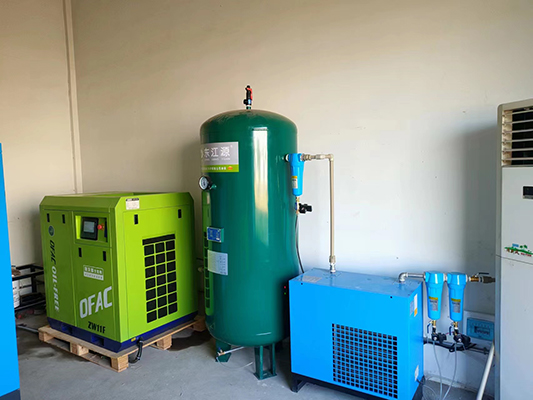
Professional condensate management in fixed speed screw air systems relies on a coordinated combination of mechanical separators, refrigerated or desiccant dryers, high-efficiency filters, and automatic drains. Cyclone water separators placed after the compressor and aftercooler remove bulk liquid, while dryers reduce pressure dew point to prevent further condensation in the distribution network. Oil-water separators treat collected condensate, supporting environmental compliance by allowing safe discharge of treated water. Zero-loss electronic drains and timer-controlled drains installed at receivers, filters, and dryers ensure continuous removal of liquid without wasting compressed air. When correctly sized and positioned, these components minimize internal corrosion, maintain stable system pressure, and preserve lubricant properties.
Performance Benefits and Impact on Industrial Processes
A well-designed condensate management strategy significantly boosts the performance of fixed speed screw air compressors. Clean, dry air helps pneumatic cylinders operate smoothly, keeps valves and actuators responsive, and reduces maintenance on tools and process equipment. This translates into more consistent torque, faster cycle times, and fewer unscheduled shutdowns in production lines. Energy efficiency also improves: reduced moisture and contamination lower pressure drop across filters and piping, allowing the compressor to operate closer to its design pressure and reducing power consumption. In regulated sectors such as food, beverage, and pharmaceuticals, proper condensate control is fundamental to meeting air purity classes and hygiene standards, protecting both product quality and brand reputation.
Maintenance, Monitoring, and Risk Prevention
To avoid system damage, plant operators must integrate condensate management into their preventive maintenance and monitoring programs. Regular inspection of drains, separators, and dryers ensures that blockages, stuck floats, or failed solenoids are detected early. Monitoring dew point, differential pressure, and condensate discharge volume gives valuable insight into system health and helps verify that installed equipment matches seasonal and load variations. Documented maintenance schedules, operator training, and clear piping layouts further reduce the risk of water hammer, pipe corrosion, and contamination of sensitive processes. By prioritizing condensate management, facilities extend compressor life, safeguard investments in downstream equipment, and maintain stable, high-quality compressed air supply.
1. How does condensate damage a fixed speed screw air compressor?
Condensate promotes corrosion, dilutes lubricant, increases wear on bearings and rotors, and can cause rust particles to spread through the air system, leading to equipment failure and higher maintenance costs.
2. What equipment is needed for effective condensate control?
Typical solutions include cyclone separators, refrigerated or desiccant dryers, high-efficiency filters, automatic zero-loss drains, and oil-water separators to treat the collected condensate.
3. Why is condensate management important in sensitive production environments?
In sectors such as food, beverage, pharmaceuticals, and electronics, poor condensate control can contaminate products, cause quality deviations, and trigger regulatory non-compliance, resulting in downtime and financial losses.