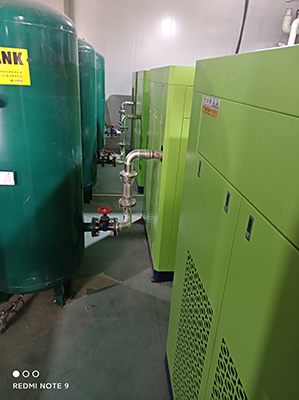
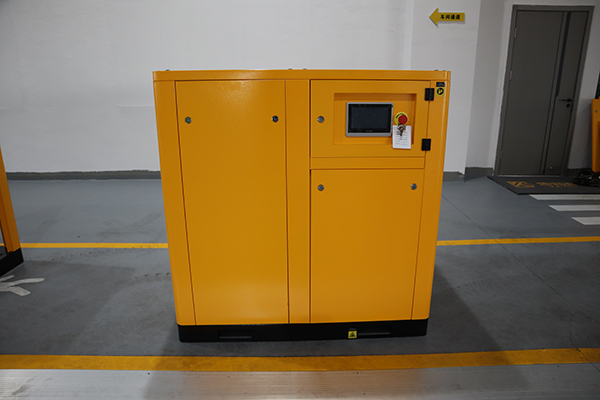
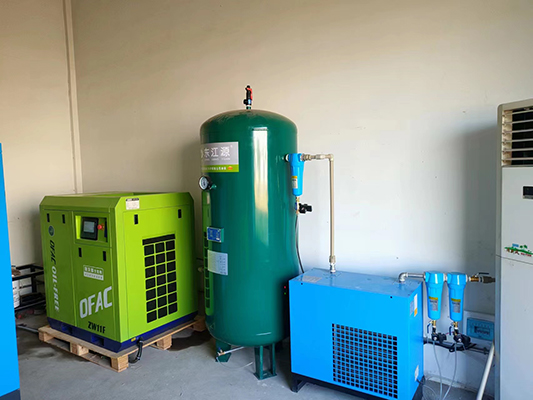
fixed speed screw air compressor Operational Mistakes Wasting Resources in Industrial Applications
News 2025-12-24
Fixed speed screw air compressor Operational Mistakes Wasting Resources in Industrial Applications

Ignoring Real Production Air Demand
Many plants size a fixed speed screw air compressor purely on peak demand, then let it run fully loaded even when the process requires only a fraction of that flow. This mismatch leads to excessive power consumption, unnecessary heat generation, and shortened component life. In applications such as machining, food packaging, or textile production where air demand fluctuates by shift or batch, failing to analyze actual consumption profiles wastes large amounts of energy. A structured air audit, using flow and pressure logging, allows operators to define base load and peak load more accurately and match compressor capacity to true industrial requirements.
Running at Higher Pressure Than Needed
One of the most common operational mistakes is operating a fixed speed screw air compressor at a discharge pressure significantly above what the end tools, valves, or actuators require. Every 1 bar of unnecessary pressure can raise energy consumption by roughly 7–8%, severely impacting lifecycle cost. In paint lines, pneumatic conveying, and automated assembly systems, excessive pressure also increases leak rates and accelerates wear on hoses and seals. Optimizing system pressure using correctly sized receivers, pressure regulators, and properly set control bands helps stabilize the network and cut waste, while still ensuring stable performance in demanding industrial environments.
Neglecting Maintenance and Air Quality Control
Skipping scheduled filter replacement, oil changes, and cooling system inspection forces a fixed speed screw air compressor to work harder for the same output. Clogged inlet filters raise compression ratios, fouled coolers increase operating temperature, and degraded lubricants compromise rotor sealing. The result is higher power draw, reduced free air delivery, and greater risk of unplanned downtime. In sensitive applications such as electronics, pharmaceutical, and food plants, ignoring dryer performance and condensate management also degrades air quality, causing product defects and process interruptions. A disciplined maintenance program preserves efficiency and protects downstream equipment performance.
Overlooking Leakage, Storage, and System Design
Air leaks through fittings, quick couplers, and old piping silently drain capacity and force fixed speed screw air compressors to operate longer at full load. Poorly designed distribution loops with excessive pressure drops further exacerbate waste, especially in large facilities like steel mills or automotive plants. Insufficient or wrongly placed air receivers cause frequent load/unload cycling, harming energy efficiency and mechanical reliability. Conducting regular leak detection, optimizing pipeline routing, and correctly sizing storage for base and peak demand allow the compressor to run in a more stable regime, reducing resource consumption while ensuring dependable air supply for critical processes.
Common Questions on Fixed Speed Screw Compressors
11, How can I quickly cut energy waste?
Start by lowering system pressure to the minimum acceptable level, repairing major leaks, and confirming that the fixed speed screw air compressor is not oversized for the actual baseline demand.
22, When is a fixed speed unit a good choice?
Fixed speed screw compressors are ideal as base-load machines in facilities where air demand is relatively stable over long operating periods, such as continuous process lines and 24/7 production.
33, What maintenance tasks matter most?
Regularly service inlet filters, oil filters, separators, and coolers, and verify dryer and condensate drain performance to maintain efficiency, air quality, and long-term reliability.