Rotary Screw Air Compressor Oil vs Oil-Free Options
News 2025-10-24
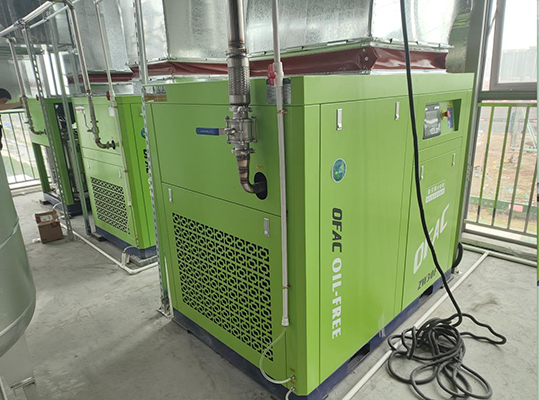
Rotary screw air compressors are essential components in many industrial operations, providing a steady supply of compressed air for tasks ranging from manufacturing to construction. The choice between oil-lubricated and oil-free models hinges on specific operational needs, as oil-lubricated compressors use oil for lubrication and sealing, which can enhance efficiency but may introduce contamination risks. In contrast, oil-free compressors avoid oil entirely, relying on advanced materials and designs to prevent any oil carryover into the air stream. This article explores the differences to help users select the best option based on their requirements.
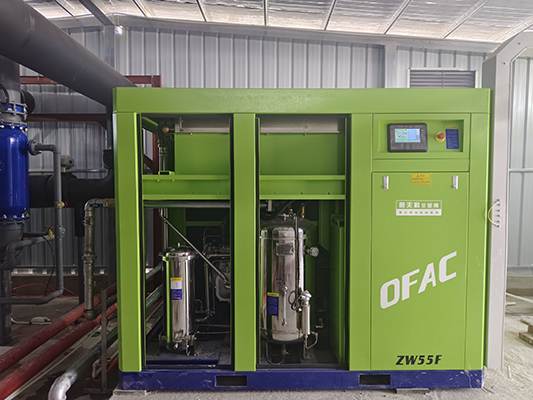
In various industries, the suitability of oil-lubricated versus oil-free rotary screw air compressors depends on the environment and end-use. Oil-lubricated models excel in heavy-duty applications like automotive manufacturing or metal fabrication, where high pressure and continuous operation are common, offering better durability and lower initial costs. Conversely, oil-free compressors are ideal for sensitive sectors such as food and beverage production or pharmaceuticals, where air purity is critical to avoid contamination that could compromise product safety or regulatory compliance. Selecting the right type ensures optimal performance and minimizes downtime in these diverse settings.
When comparing performance, oil-lubricated rotary screw air compressors typically provide higher efficiency and lower operating temperatures due to superior lubrication, which reduces wear and extends component life. They often achieve better energy savings in demanding conditions, though they require regular oil changes and filtration to maintain air quality. Oil-free options, however, boast advantages in maintenance simplicity and reduced risk of oil-related failures, with designs that incorporate water or specialized coatings for lubrication. This results in cleaner air output and potentially lower long-term costs in environments where air purity outweighs initial efficiency gains.
The decision between oil and oil-free rotary screw air compressors significantly impacts industrial workflows, influencing factors like product integrity, energy consumption, and adherence to standards. In processes requiring pristine air, such as electronics assembly or medical device manufacturing, oil-free compressors prevent costly recalls or health hazards. Meanwhile, oil-lubricated models support robust operations in less sensitive areas, contributing to cost-effective production scales. Ultimately, this choice affects overall system reliability, helping industries maintain competitive edges through efficient, compliant, and sustainable compressed air solutions.