Rotary Screw Air Compressor Service Interval Recommendations
News 2025-10-24
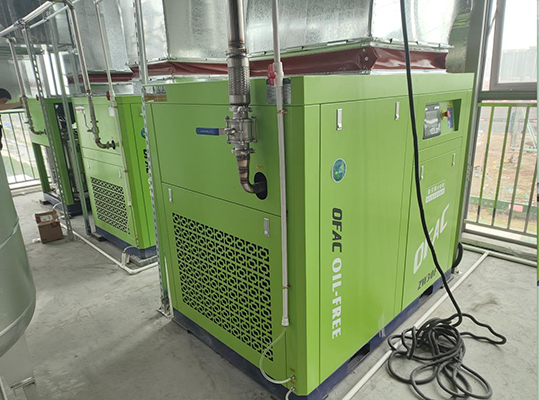
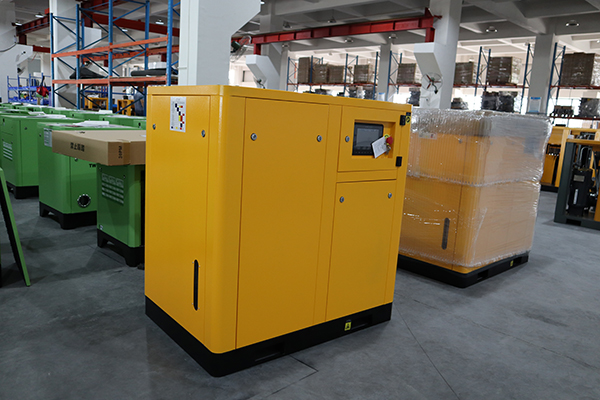
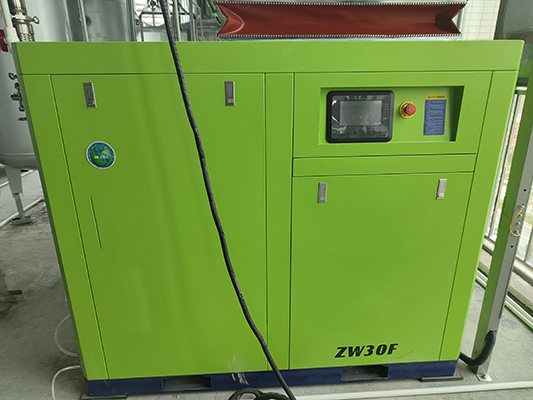
Rotary screw air compressors are vital in industrial settings, delivering consistent compressed air for applications like manufacturing and automotive processes. These machines rely on two meshing screws to generate air pressure efficiently, but their performance hinges on regular maintenance. Adhering to service intervals helps avoid costly breakdowns, enhances energy efficiency, and ensures safe operation, ultimately supporting uninterrupted production and reducing long-term costs.
Recommended Service Intervals
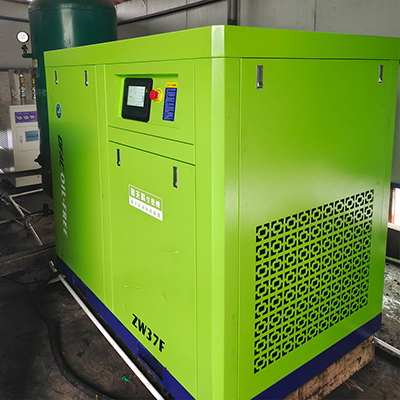
Service intervals for rotary screw air compressors are typically outlined by manufacturers and based on factors such as operating hours, environment, and usage intensity. Daily inspections might include checking for leaks and monitoring pressure levels, while weekly tasks could involve cleaning filters and examining coolant levels. More in-depth services, like oil changes or belt replacements, are often scheduled every 500 to 2,000 hours or annually, depending on the model. Customizing these intervals according to specific operational demands can optimize reliability and prevent minor issues from escalating.
Key Application Scenarios
In diverse industries, rotary screw air compressors power tools, control systems, and automation in scenarios ranging from assembly lines to construction sites. For example, in food processing, they provide clean air for packaging, while in heavy manufacturing, they support high-demand operations like sandblasting. Service intervals must adapt to environmental challenges, such as dust in mining or humidity in pharmaceuticals, to maintain performance and comply with safety standards, ensuring the compressor integrates seamlessly into critical workflows.
Importance in Industrial Processes
Maintaining service intervals is crucial for leveraging the performance benefits of rotary screw air compressors, including high efficiency and durability. Regular upkeep prevents energy losses from worn components and reduces emissions, contributing to sustainable operations. In industrial contexts, where reliability directly affects output and safety, timely maintenance minimizes downtime and extends equipment life, making it a strategic element for cost control and operational excellence in competitive markets.