Permanent Magnet Air Compressor for Manufacturing Facilities – Energy-Saving Design for Continuous Production Lines
News 2025-11-17
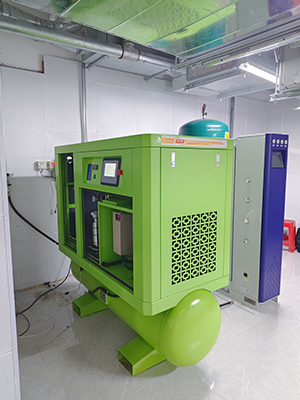
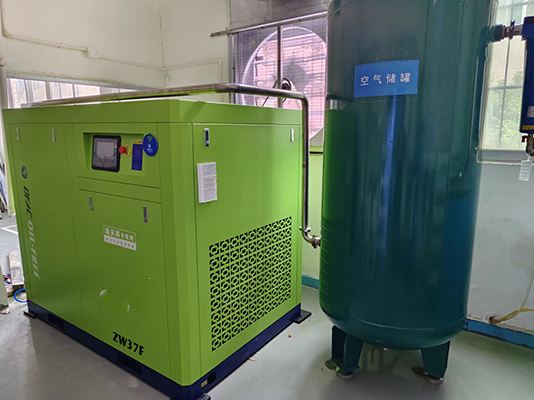
Permanent magnet air compressors are becoming a core asset for modern manufacturing facilities that run around the clock. By integrating high-efficiency permanent magnet motors with smart control systems, these compressors deliver stable compressed air with significantly lower power consumption. For continuous production lines in sectors such as automotive, food and beverage, electronics assembly, and metal fabrication, this technology supports both productivity and energy management targets.
Role in Continuous Production Environments
Permanent magnet air compressors are engineered for applications where compressed air demand remains high and uninterrupted. Robotic welding cells, high-speed packaging machines, and precision CNC equipment depend on steady air pressure to maintain accuracy and uptime. The permanent magnet drive reacts quickly to load changes, keeping pressure within a narrow band and reducing the risk of pressure drops that can halt production. By matching output to real-time demand, the compressor supports lean manufacturing strategies and minimizes waste related to downtime or defective products.
Energy-Saving Features and Performance Benefits
A permanent magnet motor operates with higher efficiency than a traditional induction motor across a wide speed range, cutting energy consumption by a notable margin. When combined with variable speed control and an intelligent inverter, the compressor automatically adjusts motor speed to the exact airflow required, avoiding the frequent start-stop cycles of fixed-speed units. This reduces electrical peaks, lowers operating temperatures, and extends component life. High-efficiency airends, low-loss transmission design, and optimized cooling further enhance performance, helping facilities meet sustainability goals and reduce total cost of ownership.
Application Scenarios Across Manufacturing Facilities
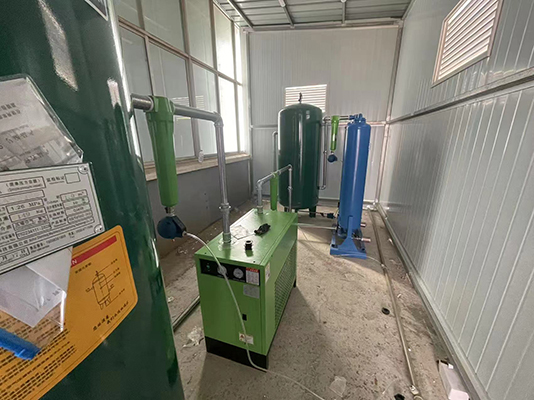
In automotive and metalworking plants, permanent magnet air compressors supply stable air for paint booths, pneumatic tools, stamping presses, and automated assembly stations. In food, beverage, and pharmaceutical environments, they support hygienic packaging lines and sorting systems where constant air quality and pressure are crucial. Electronics and semiconductor workshops benefit from low-vibration, low-noise operation that helps protect sensitive processes. Central compressor rooms can deploy multiple permanent magnet units configured in a master–slave arrangement, allowing capacity expansion and redundancy while maintaining precise pressure control across the entire plant network.
Selection, Maintenance, and Long-Term Value
When selecting a permanent magnet air compressor, plant managers should evaluate base load air demand, peak consumption patterns, required pressure levels, and future expansion plans. Correct sizing ensures that the compressor operates in its optimal efficiency zone most of the time. Routine maintenance—such as filter replacement, oil sampling, air leak detection, and periodic motor inspection—helps preserve efficiency and reduce unplanned outages. Over the life cycle of the equipment, energy savings typically represent the largest portion of cost, so an efficient permanent magnet system delivers strong payback and supports corporate energy and carbon reduction strategies.
1、How does a permanent magnet air compressor save energy?
The compressor uses a high-efficiency permanent magnet motor combined with variable speed control to match airflow precisely to demand, reducing idle running, cutting electrical peaks, and lowering overall power consumption.
2、Where is this type of compressor most suitable in a factory?
It is ideal for continuous production lines such as automotive assembly, packaging, CNC machining, and process industries where stable pressure and long operating hours are required.
3、What key factors should be checked before purchasing?
Facilities should analyze air demand profiles, required pressure range, available electrical supply, future capacity needs, and total life cycle cost, including projected energy savings and maintenance requirements.