Industrial-Grade Permanent Magnet Air Compressor – Long Service Life for Steel Manufacturing Plants
News 2025-11-17
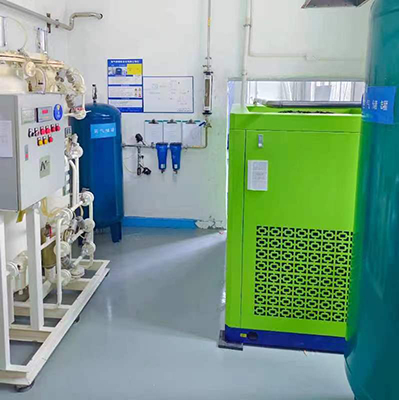
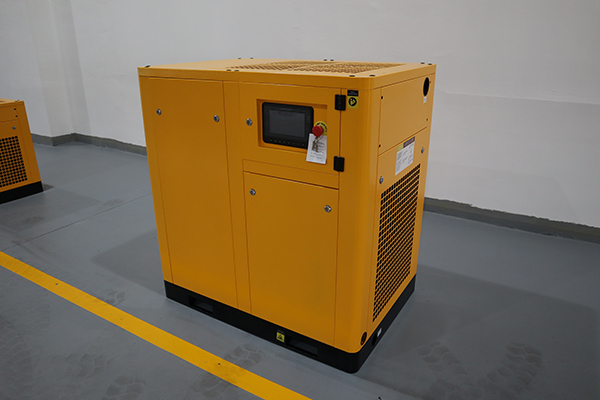
Industrial-grade permanent magnet air compressors are becoming a cornerstone of modern steel manufacturing plants, where continuous operation, strict process control, and energy discipline determine overall competitiveness. In melting shops, rolling mills, galvanizing lines, and finishing workshops, compressed air is treated as a critical utility on the same level as power and process water. A permanent magnet drive paired with an industrial-duty compression stage delivers stable air supply over long service cycles, reducing unplanned downtime that can disrupt furnace schedules and coil delivery commitments.
Key Role in Steel Plant Applications
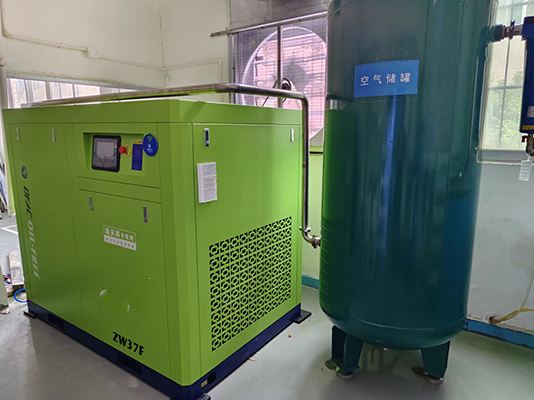
In steel production, compressed air powers pneumatic cylinders on continuous casting machines, manipulators in hot and cold rolling mills, descaling systems, slag handling equipment, and automated packaging lines. Air quality and pressure stability affect actuator response, product surface condition, and the accuracy of strip thickness control. Permanent magnet air compressors maintain tight pressure bands, which helps prevent casting oscillation issues, roll mark defects, and irregular operation of pneumatic tools. Their ability to sustain performance in harsh environments with high dust, heat, and vibration makes them suitable for blast furnace areas and heavy-duty workshops.
Performance Advantages and Energy Savings
The permanent magnet motor operates with high efficiency across a wide load range, cutting power consumption compared with traditional induction-motor compressors. When paired with frequency conversion control, the unit adjusts speed in real time to match demand during peak casting periods or reduced-load maintenance shifts. This minimizes unloaded running and shortens payback time. Optimized rotor design, high-grade bearings, and low-loss stator technology contribute to lower temperature rise and less mechanical stress, supporting long service life. For steel plants facing rising energy tariffs and carbon targets, these savings translate directly into reduced operating cost per ton of steel.
Durability, Maintenance, and System Integration
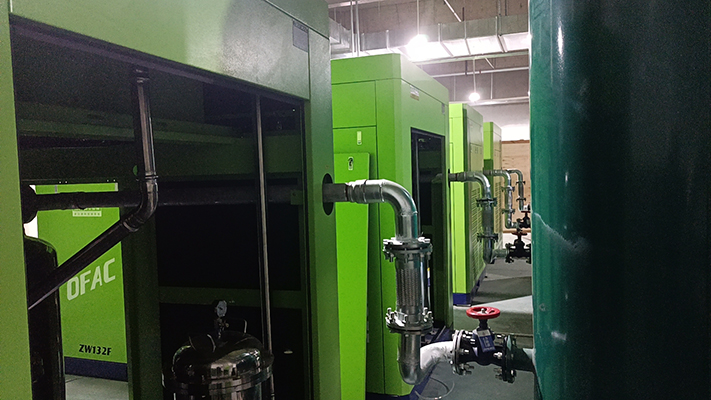
Permanent magnet industrial compressors are engineered for round-the-clock duty, featuring heavy-duty filtration, reinforced cooling circuits, and robust enclosures suited to scale, dust, and oil mist. Extended service intervals, accessible maintenance points, and condition monitoring help maintenance teams schedule overhauls around major outages such as shutdowns of blast furnaces or tandem mills. Integrated PLC or industrial Ethernet interfaces allow connection to plant-wide monitoring systems, enabling real-time tracking of pressure, power, and temperature. By aligning compressor operation with production planning, plants can maintain consistent air quality while protecting critical equipment and maximizing asset availability.
Impact on Product Quality and Process Stability
Stable, clean compressed air supports accurate automation in ladle metallurgy, coil handling, and automated inspection lines. When pressure fluctuations are minimized, valve timing and actuator speed remain consistent, improving slab alignment, coiler tension control, and performance of pneumatic spray systems. Reduced oil carryover and better drying performance help protect valves, sensors, and control devices from contamination. This contributes to fewer production interruptions, lower scrap rates, and improved surface finish, which is crucial for automotive-grade sheet, galvanized products, and high-strength structural steels.
Quick Questions and Answers
1. Why are permanent magnet compressors suited to steel plants?
Their high efficiency, durable construction, and stable pressure output match the heavy-duty, continuous-load requirements of steel manufacturing environments.
2. How do they reduce operating costs?
By using high-efficiency permanent magnet motors and variable-speed control, they cut energy consumption and extend service intervals, lowering lifecycle costs.
3. What process areas benefit most?
Continuous casting, hot and cold rolling mills, surface treatment lines, and automated packaging systems gain the most from consistent, high-quality compressed air.