Permanent Magnet Air Compressor for Pharmaceutical Facilities – Contamination-Free Air for Drug Production
News 2025-11-17
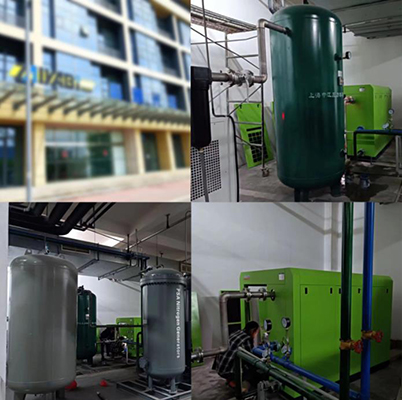
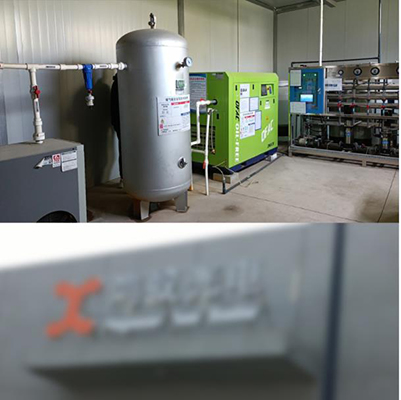
In pharmaceutical manufacturing, compressed air is treated as a critical utility, comparable to purified water and clean steam. A permanent magnet air compressor delivers stable, energy‑efficient air that meets strict quality standards while reducing the risk of oil, particles, and moisture entering production areas. For processes such as tablet coating, capsule filling, fermentation, lyophilization, and packaging, the quality of compressed air directly influences product purity, batch consistency, and regulatory compliance.
Application Scenarios in Drug Production
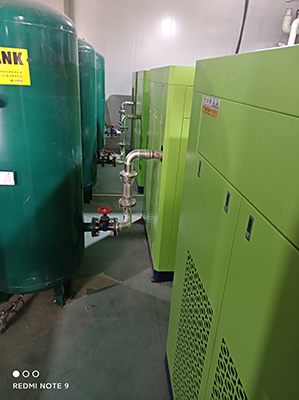
Permanent magnet air compressors are widely used wherever oil‑free or low‑contamination air is mandatory. Clean compressed air powers pneumatic valves on process skids, actuators on filling and stoppering lines, and control instruments in cleanrooms. It also supplies breathing and purge air for isolators, RABS, and sterile HVAC systems. In solid dosage plants, compressed air is used for fluid bed dryers and powder conveying, where any oil carryover can cause sticking, discoloration, or changes in dissolution profiles. In biotechnology and vaccine production, air purity affects fermentation yields and contamination risk, making compressor choice a strategic decision.
Performance Advantages of Permanent Magnet Technology
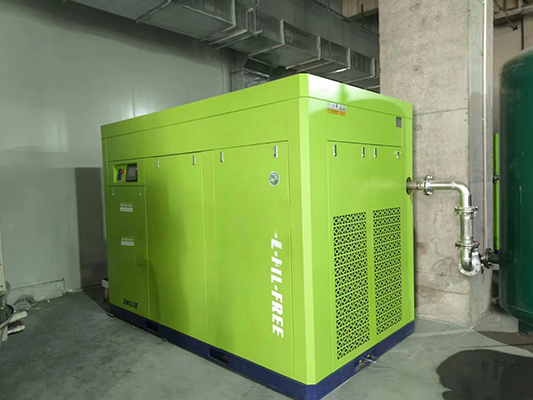
Permanent magnet motors operate with high efficiency across a wide speed range, cutting electrical consumption and stabilizing outlet pressure under varying demand. Integrated variable speed drives allow the compressor to match air output precisely to process requirements, minimizing unload times and reducing energy waste. Direct‑drive structures reduce mechanical loss and vibration, extending service life and lowering maintenance costs. Combined with multi‑stage filtration and adsorption dryers, permanent magnet compressors can deliver dry, oil‑free air that aligns with ISO 8573‑1 purity classes required in pharmaceutical facilities.
Importance for Regulatory Compliance and Product Quality
Regulators and quality auditors pay close attention to utility systems, particularly compressed air that contacts products, primary packaging, or cleanroom environments. A permanent magnet air compressor with oil‑free design and validated treatment stages supports compliance with GMP, FDA, and EU Annex 1 expectations. Stable dew point, low particle concentration, and minimal oil content help prevent microbial growth, corrosion, and cross‑contamination. Reliable air quality also improves the performance of downstream equipment such as sterilizing filters, vision inspection systems, and pneumatic filling machines, helping manufacturers maintain high OEE and reduce batch rejections.
Integration, Monitoring, and Lifecycle Benefits
Modern permanent magnet air compressors are built for integration into plant monitoring systems via Modbus, Profibus, or Ethernet protocols. Continuous tracking of pressure, temperature, power consumption, and dew point enables predictive maintenance and energy optimization. When sized correctly and installed in a clean mechanical room, these compressors provide stable operation around the clock, supporting both sterile and non‑sterile production lines. Noise‑reduced enclosures and compact footprints simplify placement in constrained facilities. Over the lifecycle of a plant, the combination of lower energy usage, fewer unscheduled shutdowns, and reduced contamination incidents delivers a strong total cost of ownership benefit.
1. Why is oil‑free compressed air crucial in pharmaceutical plants?
Oil‑free air prevents contamination of products, packaging materials, and cleanroom environments, supporting GMP compliance and protecting patient safety.
2. How does a permanent magnet air compressor save energy?
Its high‑efficiency motor and variable speed control align air output with real demand, cutting idle time and lowering overall power consumption.
3. Where is compressed air typically used in drug production?
Compressed air is used for process control valves, filling equipment, powder conveying, fluid bed drying, fermentation aeration, and cleanroom HVAC systems.