Permanent Magnet Air Compressor with Energy Recovery System – Reduces Operational Costs for Factories
News 2025-11-17
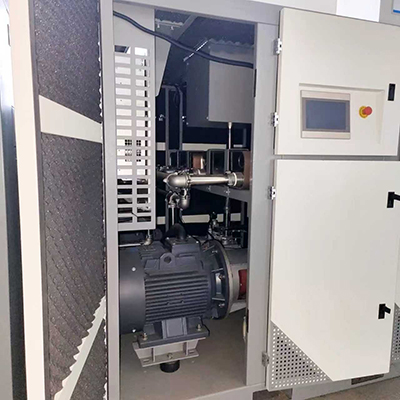
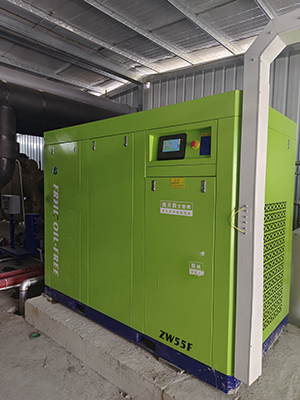
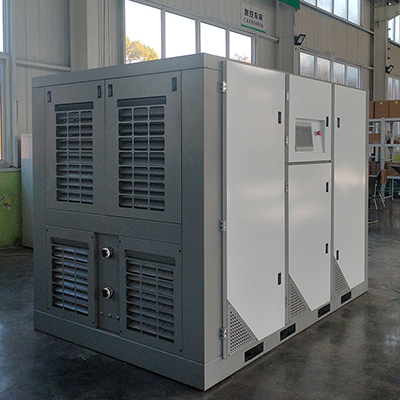
Permanent magnet air compressors equipped with energy recovery systems are reshaping how factories manage compressed air and thermal energy. By combining high-efficiency permanent magnet motors with heat recovery technology, these compressors reduce electricity consumption, reclaim waste heat, and stabilize air supply. For plants facing rising energy prices and strict carbon targets, this solution provides a direct path to lower operating costs and improved sustainability.
High-Efficiency Performance and Cost Savings
Permanent magnet air compressors use variable-speed drives and high-grade permanent magnet motors to match output precisely to air demand. This minimizes unload running, cuts energy losses, and maintains stable pressure across production lines. Compared with traditional fixed-speed units, factories often see energy savings of 25–45%, depending on load profile. Reduced mechanical stress extends service life of bearings, valves, and filters, lowering maintenance frequency and downtime. Over the life cycle, energy savings typically exceed the initial investment, delivering a short payback period and strong return on investment.
Energy Recovery and Industrial Applications
The energy recovery system captures heat generated during air compression and transfers it to water or process fluids. Recovered hot water can be used for parts washing, process heating, space heating, boiler preheating, or sanitary water in food, beverage, and pharmaceutical plants. In many cases, up to 70–80% of input power can be converted into usable heat. Industries with continuous air demand—such as metal fabrication, electronics, textile, automotive, and chemical processing—benefit most, turning the compressor room into a key energy hub rather than a loss point.
Role in Stable and Efficient Production
In modern production environments, compressed air is a critical utility powering pneumatic tools, actuators, conveying systems, and precision controls. Permanent magnet compressors maintain consistent pressure, reducing fluctuations that can cause product defects, machine trips, or quality deviations. Integrated monitoring systems track energy consumption, discharge pressure, and heat recovery output in real time, enabling predictive maintenance and better load management across multiple compressors. This improves overall equipment effectiveness and helps factories meet ISO energy management standards while supporting long-term carbon reduction strategies.
Key Considerations for Factory Deployment
When planning deployment, factories should analyze current air consumption patterns, peak loads, and heat demand to size the permanent magnet air compressor and recovery system correctly. Proper piping layout, storage tank capacity, and filtration levels are critical to maintain air quality and minimize pressure drop. Integration with building management systems allows automatic optimization of compressor speed and heat recovery output. Partnering with experienced suppliers ensures correct installation, commissioning, and training, helping production teams operate the system safely, maintain high performance, and document savings for internal audits.
1、How much can a factory typically save?
Many factories achieve 25–45% electricity savings on compressed air, with additional fuel savings from recovered heat, leading to payback times often within two to four years.
2、Is the system suitable for existing plants?
Yes, permanent magnet air compressors with energy recovery can replace older units or be added to mixed compressor rooms, provided space, ventilation, and heat recovery connections are properly planned.
3、What industries benefit most from heat recovery?
Plants with continuous air usage and steady hot water or process heat demand—such as food processing, automotive, metalworking, and textiles—gain the highest economic value from energy recovery.