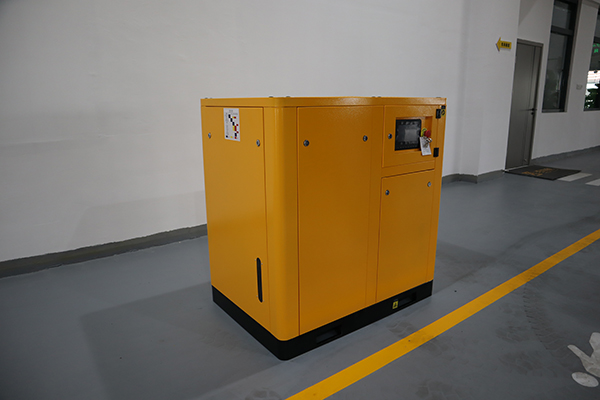
fixed speed screw air compressor Common Misconceptions About Operation
News 2025-12-22
Fixed speed screw air compressor Common Misconceptions About Operation
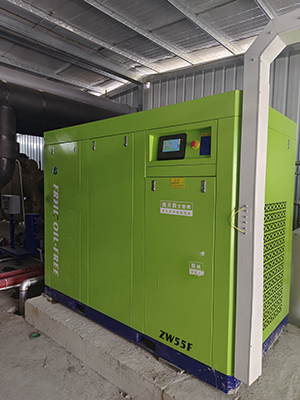
Misunderstanding Load Profiles and Duty Cycles
Many users assume a fixed speed screw air compressor must run either at full load or be completely shut down, leading to poor scheduling and wasted energy. In reality, these compressors are designed for long, stable duty cycles in production lines such as metal fabrication, food packaging, and textile mills, where air demand is relatively constant. When the load profile matches this behavior, fixed speed machines offer excellent efficiency and durability. Problems arise only when they are oversized or frequently started and stopped, which accelerates wear and raises energy costs. Properly matching compressor capacity, storage receiver size, and downstream demand is more important than blindly chasing variable speed technology.
Confusion About Energy Efficiency and Performance
Another misconception is that fixed speed screw air compressors are always less energy efficient than variable speed models. While VSD units can save power under fluctuating demand, a well‑selected fixed speed compressor operating near its optimal load can achieve competitive specific power and stable discharge pressure. In continuous industrial processes such as automotive assembly, petrochemical plants, and cement production, constant pressure is crucial for tool accuracy and product quality. Fixed speed compressors excel in providing consistent airflow, rapid response, and robust performance under harsh conditions. Their simpler drive system also reduces potential failure points, lowering lifetime maintenance costs when compared to more complex alternatives.
Overlooking Maintenance, Filtration, and Cooling Needs
Many operators believe that screw air compressors are almost maintenance‑free and can be left running until a fault occurs. This misunderstanding leads to oil degradation, clogged filters, high discharge temperatures, and premature bearing failure. Fixed speed screw air compressors rely on clean intake air, correct lubricant grade, and efficient cooling to sustain their rated capacity and energy performance. Scheduled servicing, including oil analysis, separator replacement, and cooler cleaning, directly impacts system reliability in demanding environments such as mining, electronics manufacturing, and pharmaceutical plants. Proactive maintenance not only prevents unplanned downtime, it also protects downstream equipment like dryers, filters, and pneumatic tools from contamination and pressure drops.
Neglecting System Integration and Application-Specific Design
A further misconception is that any fixed speed screw air compressor can be dropped into any plant and perform equally well. In practice, optimal operation depends on system integration, control strategy, and application‑specific engineering. Correct sizing of air receivers, layout of piping networks, and selection of dryers and filtration stages determine how effectively compressed air supports processes such as painting lines, CNC machining, and packaging automation. Centralized control across multiple compressors can minimize unload times and balance running hours, improving efficiency and extending service life. When combined with leak detection, pressure band optimization, and heat recovery, a fixed speed compressor installation becomes a strategic asset that stabilizes production quality and reduces total cost of ownership.
Common Questions About Fixed Speed Screw Air Compressors
1When is a fixed speed screw air compressor the best choice?
It is ideal for plants with steady air demand, long duty cycles, and strict pressure stability requirements, such as continuous production lines or process industries.
2Do fixed speed compressors always waste energy at part load?
They can be efficient when properly sized and combined with adequate storage, good controls, and minimal unloading time, especially where demand rarely drops sharply.
3How can I improve system performance without replacing the compressor?
Focus on leak reduction, scheduled maintenance, correct filtration and drying, optimized pressure settings, and improved piping layout to enhance overall system efficiency.