Permanent Magnet Air Compressor for HVAC Systems – Efficient Air Supply for Building Climate Control
News 2025-11-17
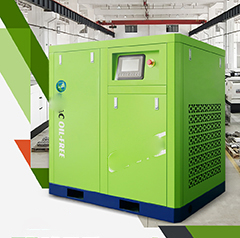
Permanent magnet air compressors are becoming a strategic choice for modern HVAC systems in commercial buildings, industrial plants, data centers, and healthcare facilities. By combining high‑efficiency permanent magnet motors with variable speed control, these compressors supply stable, clean air for dampers, valves, actuators, and air handling units. Their precise airflow and pressure management support accurate temperature and humidity control, which directly affects occupant comfort, equipment protection, and overall energy consumption.
Core Working Principle and System Integration
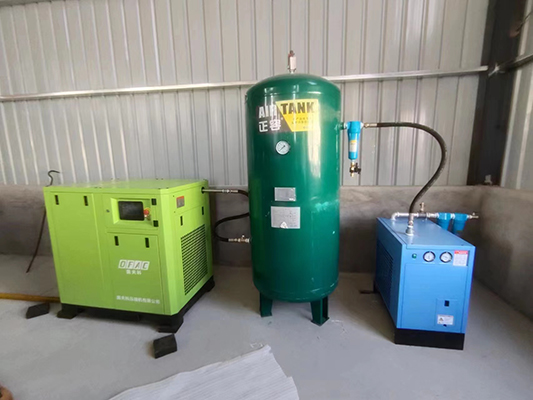
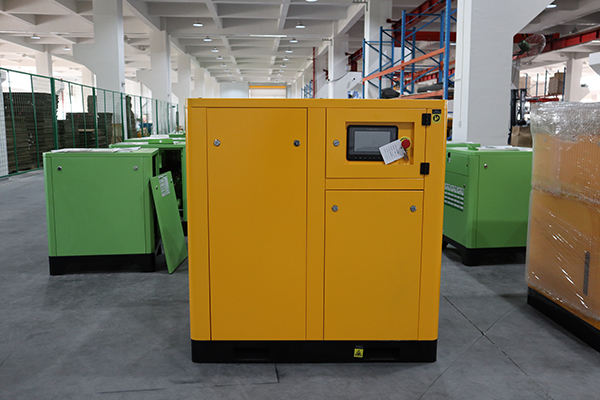
In an HVAC environment, the permanent magnet air compressor operates as the central air source for pneumatic controls, air curtains, and specialized ventilation zones. The permanent magnet motor delivers high torque at low speed, while frequency inverters modulate speed to match fluctuating air demand. This reduces pressure fluctuations, minimizes unload cycles, and lowers mechanical wear. When integrated with building management systems, the compressor can respond dynamically to real‑time occupancy data, outdoor climate conditions, and process air requirements, forming a tightly coordinated climate control network.
Performance Advantages and Energy Savings
Compared with traditional induction‑motor compressors, permanent magnet models achieve noticeably higher efficiency across the full load range. Reduced rotor losses, accurate speed regulation, and optimized cooling design cut electrical consumption and lower lifecycle costs. Stable discharge pressure supports consistent airflow through HVAC ductwork, improving heat exchange in coils and reducing the load on chillers and boilers. Low vibration and low noise characteristics are valuable in office towers, laboratories, and hospital mechanical rooms where acoustic comfort and equipment stability are critical.
Key Application Scenarios in Building Climate Control
These compressors play a vital role in variable air volume systems, cleanrooms, pharmaceutical plants, and electronics manufacturing, where air quality and pressure stability directly influence product yield and safety. In high‑rise complexes, the permanent magnet air compressor ensures reliable actuation of fire dampers and smoke control systems, supporting life‑safety strategies. Data centers benefit from accurate airflow management for hot and cold aisle containment, protecting servers from thermal stress. In food processing and cold storage, dry, oil‑free compressed air helps maintain product integrity and stable low‑temperature environments.
Maintenance, Monitoring, and Operational Reliability
Permanent magnet air compressors for HVAC systems are typically equipped with advanced controllers, sensors, and remote monitoring capabilities. Continuous tracking of pressure, temperature, vibration, and energy consumption enables predictive maintenance and reduces unplanned downtime. Compact layouts, simplified transmission structures, and fewer mechanical losses extend component life and ease routine service. By maintaining optimal performance levels, facility managers can keep HVAC systems within specified parameters, ensure regulatory compliance for indoor air quality, and support long‑term sustainability goals.
1. How does a permanent magnet air compressor cut HVAC energy costs?
By matching motor speed to real air demand, it reduces power waste during partial load operation, stabilizes pressure, and improves the efficiency of fans, coils, and chillers across the HVAC system.
2. Is a permanent magnet air compressor suitable for retrofitting existing buildings?
Yes, it can replace older fixed‑speed compressors, connect to existing air networks, and interface with current building management systems with minimal structural changes.
3. What industries benefit most from this technology in HVAC applications?
Commercial real estate, pharmaceuticals, electronics, data centers, food processing, and healthcare facilities gain strong benefits due to strict climate control, air quality, and uptime requirements.