Permanent Magnet Air Compressor for Rubber Processing – Consistent Air Flow for Vulcanization Equipment
News 2025-11-17
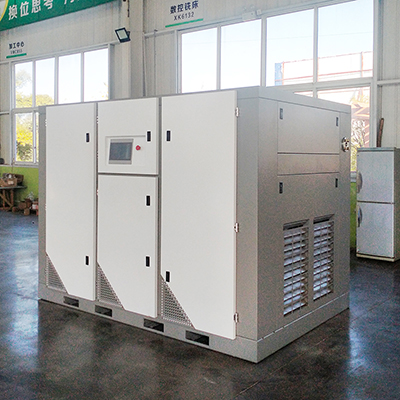
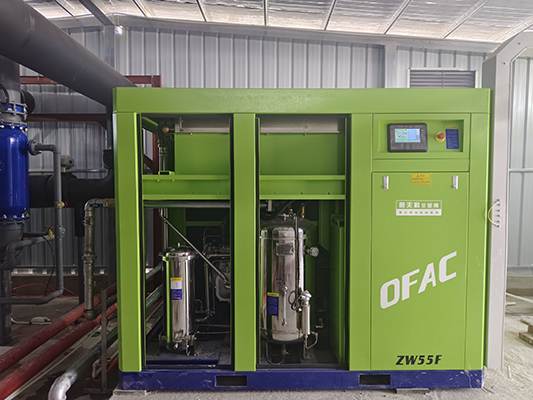
Permanent magnet air compressors have become a core utility in modern rubber processing plants, where vulcanization equipment depends on stable, clean, and energy‑efficient compressed air. From the feeding of rubber compounds to the operation of curing presses and automated handling systems, every stage requires predictable air pressure and flow. By integrating permanent magnet technology, manufacturers can significantly reduce energy consumption, increase process stability, and cut maintenance downtime, all of which are critical in competitive rubber product markets.
Role in Vulcanization and Rubber Processing Lines
In rubber processing workshops, compressed air drives mixers, extruders, calendering machines, and especially vulcanization presses. These presses need consistent clamping pressure and precise temperature control; fluctuations in air supply can lead to uneven curing, dimensional inaccuracies, and higher scrap rates. A permanent magnet air compressor maintains a stable pressure band, ensuring that valves, actuators, and pressure‑boosting systems perform accurately. The result is more uniform cross‑linking of rubber, improved surface quality, and repeatable mechanical properties across each batch.
Performance Advantages of Permanent Magnet Technology
Permanent magnet compressors use high‑efficiency motors with variable speed control, matching air output to real‑time demand on the production floor. This reduces energy waste during low‑load periods and avoids frequent start‑stop cycles that accelerate wear. High energy efficiency also lowers heat generation, protecting downstream dryers, filters, and vulcanization control circuits. Low vibration and smooth torque delivery enhance compressor lifespan and reduce the risk of unexpected shutdowns that could interrupt curing cycles and damage molds or semi‑finished rubber goods.
Ensuring Product Quality and Operational Stability
For vulcanization equipment, high‑quality compressed air is as important as stable temperature and pressure. Permanent magnet air compressors are often paired with precision filtration and drying systems to remove oil, moisture, and micro‑particles that can contaminate rubber compounds or corrode press components. A clean, stable air supply improves mold release performance, reduces blistering and porosity in tires, seals, and industrial rubber parts, and supports accurate operation of pneumatic measuring and cutting devices. This stability directly translates into higher yield, lower rework, and more consistent delivery times.
Energy Savings, Maintenance, and Plant Integration
Compared with traditional fixed‑speed compressors, permanent magnet units can deliver double‑digit percentage reductions in energy use, which is significant in 24/7 rubber production environments. Their optimized control systems allow integration with smart factory platforms for real‑time monitoring of pressure, temperature, and power consumption. Predictive maintenance functions help identify bearing wear, filter clogging, or abnormal vibration before a breakdown occurs, ensuring continuous operation of vulcanization lines. Compact designs and low noise levels also make installation near curing presses and mixing zones more flexible.
1、How does stable air flow affect vulcanization quality?
Stable air flow keeps press pressure and control valves within narrow tolerances, preventing under‑curing, over‑curing, and surface defects in rubber products.
2、Why choose a permanent magnet air compressor for rubber plants?
It delivers high energy efficiency, precise variable speed control, and reduced downtime, all of which support consistent vulcanization and lower operating costs.
3、Can it be integrated into existing vulcanization lines?
Yes, most permanent magnet air compressors can be connected to current air networks and controlled via central management systems with minimal process modification.