Permanent Magnet Air Compressor with Compact Footprint – Saves Space in Small Workshops
News 2025-11-17
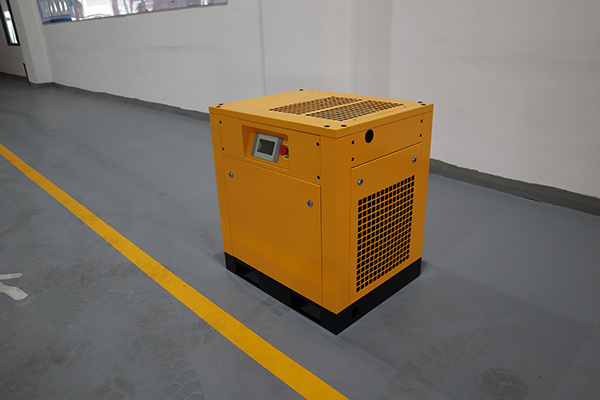
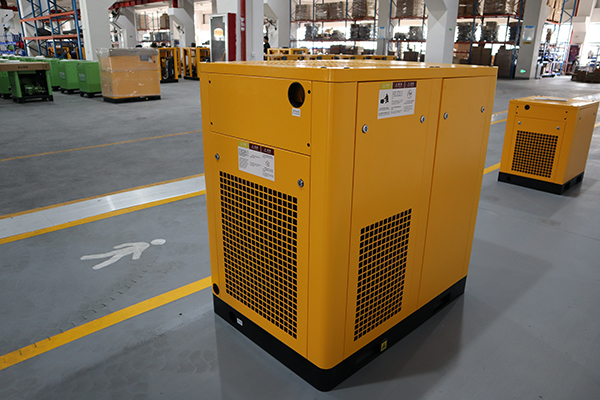
Permanent magnet air compressors are reshaping how small workshops plan their utilities and production layouts. By combining high-efficiency motors with a compact, vertically oriented structure, these machines deliver stable compressed air without occupying valuable floor area. For automotive repair shops, woodworking studios, packaging stations, and light assembly lines, a smaller footprint translates into more room for workbenches, storage racks, and production cells, while still meeting demanding pneumatic requirements.
Space-Saving Design for Tight Workshop Layouts
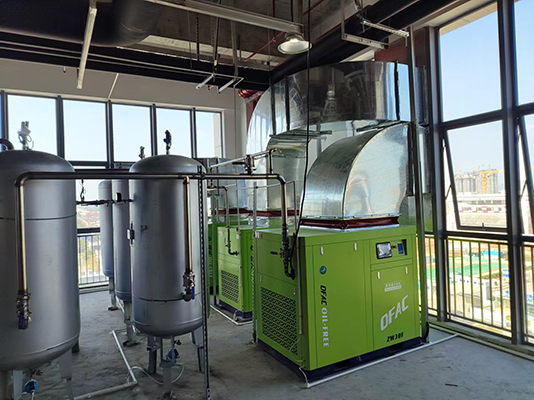
The compact footprint of a permanent magnet air compressor allows installers to place the unit near walls, in corners, or next to existing equipment without compromising access for service. Enclosed piping and integrated air receivers reduce the need for external tanks that typically consume additional space. This enables workshop owners to optimize workflow, maintain clear aisles for safety compliance, and expand capacity in existing buildings rather than investing in costly extensions.
High Efficiency and Stable Performance
The permanent magnet motor operates with high energy conversion efficiency and excellent low-speed torque, which supports variable-speed control and precise airflow delivery. As compressed air demand fluctuates during cutting, spraying, or pneumatic tool operation, the compressor adjusts output to match the load, lowering energy consumption and minimizing pressure fluctuations. Consistent discharge pressure helps protect air tools, spraying systems, and instrumentation, reducing downtime and maintenance costs across industrial processes.
Key Applications in Modern Industrial Processes
In small manufacturing cells, these compressors power pneumatic cylinders for assembly fixtures, clamping devices, and pick-and-place equipment. In woodworking workshops they drive sanders, nailers, and dust extraction systems, while in automotive and body repair they support impact wrenches, paint booths, and tire service stations. Stable, clean compressed air improves product finish quality, coating adhesion, and machining accuracy. The compact structure allows the compressor to be located close to critical equipment, reducing pressure drop in piping and preserving energy efficiency.
Operational Benefits and Maintenance Considerations
Permanent magnet air compressors typically feature lower noise levels than traditional fixed-speed units, which is valuable in confined workshop environments where operators work close to the equipment. Fewer start-stop cycles, soft start characteristics, and optimized cooling extend component life and reduce the risk of unexpected failures. Routine tasks such as filter replacement, oil inspection, and heat exchanger cleaning are simplified through accessible panels, enabling planned maintenance without disrupting production schedules or rearranging crowded work areas.
FAQ: Common Questions from Small Workshop Owners
1. How does a compact permanent magnet compressor save costs?
Lower energy usage from high motor efficiency, reduced pressure loss due to shorter piping, and fewer unplanned stoppages all contribute to lower operating costs over the service life of the compressor.
2. Is a permanent magnet air compressor suitable for continuous operation?
Yes, when correctly sized, it supports continuous or near-continuous duty in small industrial processes, maintaining stable pressure for shifts involving constant use of pneumatic tools or automated equipment.
3. What factors should be considered before installation?
Evaluate available floor space, ventilation conditions, required air quality, maximum and average air demand, and proximity to key equipment to ensure optimal placement and long-term energy performance.