Permanent Magnet Air Compressor for Chemical Plants – Corrosion-Resistant Design for Harsh Environments
News 2025-11-17
Permanent magnet air compressors are increasingly selected by chemical plants that operate in corrosive, moisture-laden, and solvent-rich atmospheres. These facilities depend on stable compressed air for instrumentation, pneumatic conveying, aeration, agitation, and packaging lines. When airborne chemicals, high humidity, and temperature fluctuations combine, conventional compressors suffer rapid wear, rising leak rates, and frequent unplanned shutdowns. A corrosion-resistant permanent magnet air compressor addresses these risks while delivering high energy efficiency and tighter process control.
Corrosion-Resistant Architecture for Aggressive Media
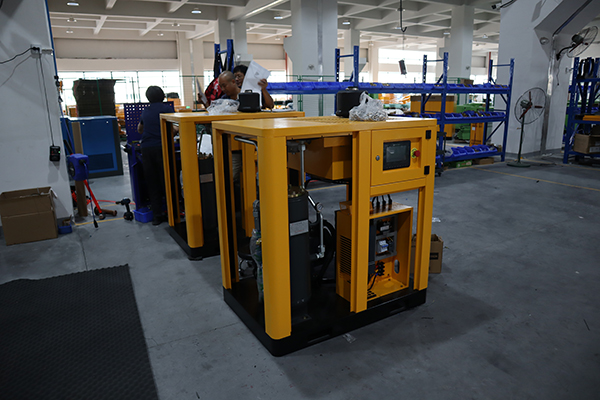
A compressor tailored for harsh chemical environments must start with a robust mechanical design. Key components such as airends, coolers, piping, and fasteners use stainless steel, special coatings, and chemically resistant seals to withstand acids, alkalis, and solvents. Anti-corrosion surface treatments on internal flow paths reduce pitting, scaling, and contamination of downstream equipment. Enclosed electrical cabinets with high IP ratings protect drives and control electronics from corrosive vapors and conductive dust. This architecture extends service life, stabilizes performance, and limits the risk of product contamination in sensitive chemical processes.
Energy Efficiency and Stable Output via Permanent Magnet Motors
At the heart of these compressors is a high-efficiency permanent magnet motor, usually paired with variable speed drive technology. The motor delivers higher power density and reduced losses compared with traditional induction motors, especially at partial load conditions common in batch and multi-line chemical plants. Fast, precise speed regulation keeps discharge pressure within narrow bands, improving instrument air stability and reducing pressure-related disturbances in reactors, dosing systems, and packaging machinery. Lower energy consumption translates into reduced operating cost and a smaller carbon footprint, which supports sustainability goals and regulatory compliance.
Application Scenarios in Chemical Production
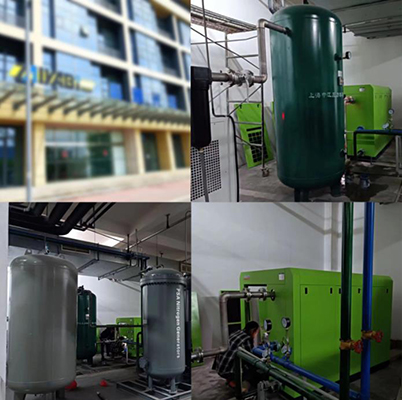
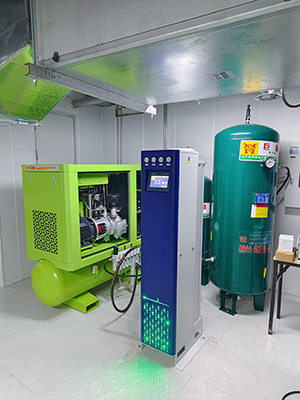
Permanent magnet air compressors with corrosion-resistant design are deployed across a wide spectrum of chemical applications. In basic chemical and petrochemical plants they supply dry, clean air for control valves, analyzers, and safety interlocks in hazardous zones. In fine chemicals and pharmaceuticals they support filtration, nitrogen generation systems, and cleanroom packaging, where oil carryover and corrosion particles must be strictly controlled. Fertilizer and pigment plants use these compressors for pneumatic conveying of powders and granules, often in high-dust and corrosive off-gas conditions. In each scenario, dependable compressed air quality and availability directly influence product consistency, yield, and plant uptime.
Operational Reliability, Maintenance, and Process Safety
For chemical producers, unplanned compressor failure can halt entire production trains, trigger emergency venting, or compromise product batches. Corrosion-resistant materials and optimized cooling circuits reduce the probability of heat exchanger blockage, seal degradation, and piping leaks. Intelligent control systems monitor temperature, vibration, pressure, and motor parameters in real time, issuing alarms before minor deviations escalate into downtime. Longer service intervals, simplified access for inspection, and well-designed filtration minimize maintenance workload in hazardous areas, where permits and protective equipment are mandatory. As a core utility, a well-specified permanent magnet air compressor supports safe plant operation and helps comply with environmental and occupational safety standards.
1、What industries benefit most from corrosion-resistant permanent magnet air compressors?
Chemical, petrochemical, pharmaceutical, fertilizer, coating, and battery material plants benefit most, especially where corrosive gases, solvents, or high humidity are present.
2、How do these compressors improve energy efficiency in chemical plants?
Permanent magnet motors and variable speed control match air output to real demand, reducing unload losses, lowering power consumption, and stabilizing system pressure.
3、Why is corrosion resistance critical for compressor selection?
Corrosion resistance protects internal components from chemical attack, extends service life, maintains air quality, and reduces the risk of costly unplanned shutdowns in harsh environments.