Permanent Magnet Air Compressor for Electronics Manufacturing – Static-Free Air for Circuit Board Assembly
News 2025-11-17
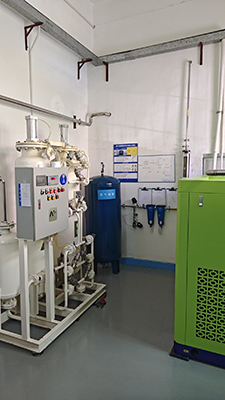
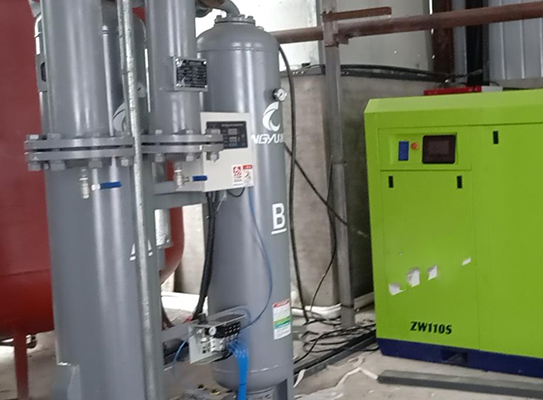
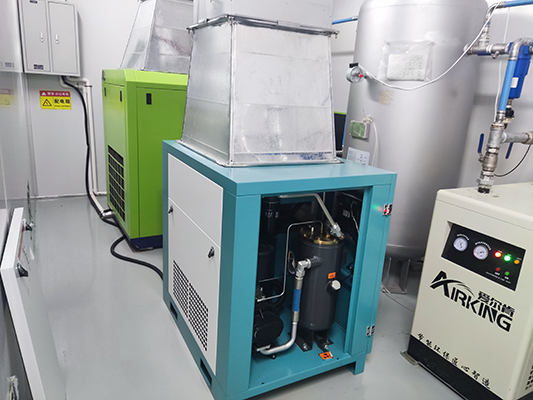
Permanent magnet air compressors are becoming a core asset in electronics manufacturing, where ultra-clean, static-free air is vital for circuit board assembly. Surface-mount technology lines, automated optical inspection units, and precision soldering stations all depend on stable compressed air to position components, blow off particles, and actuate valves. When the air stream carries oil, moisture, or static charge, defects rise sharply, from solder bridges to latent ESD damage on sensitive ICs. A permanent magnet compressor delivers consistent pressure and clean airflow, while improving energy efficiency and uptime across the production floor.
Role in Circuit Board Assembly
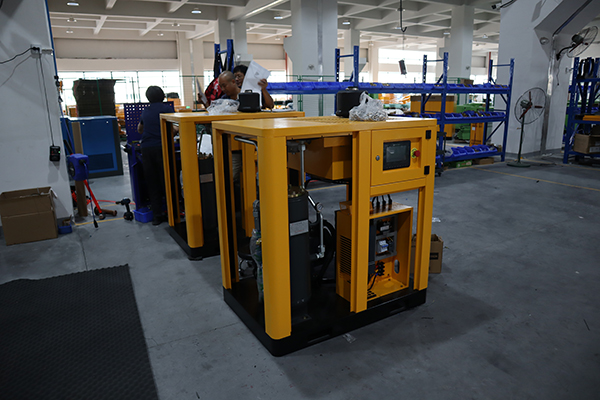
In PCB assembly, compressed air drives pick-and-place nozzles, feeders, conveyors, and pneumatic grippers. The smallest misalignment can cause tombstoning of chip resistors or improper seating of BGAs. A permanent magnet air compressor offers precise pressure regulation with minimal pulsation, so actuators move smoothly and repeatably. Integrated dryers and filtration achieve low particle counts and minimized oil carryover, crucial to avoid contamination of solder paste and flux. By supplying stable, static-free air, these compressors support higher placement speeds, tighter component spacing, and lower rework rates.
Performance Advantages of Permanent Magnet Technology
Permanent magnet motors operate with high efficiency across a wide speed range, making them ideal for variable-demand electronics plants. When production ramps up or down, the compressor adjusts output without the steep energy penalties seen in traditional fixed-speed units. The direct-drive structure reduces mechanical losses and vibration, extending bearing life and lowering maintenance. Soft-start characteristics limit inrush currents, easing the load on factory power infrastructure. Reduced noise levels improve operator comfort in SMT lines and testing rooms, while precise speed control ensures stable discharge pressure for critical assembly processes.
Static-Free and Contamination-Controlled Air Supply
For ESD-controlled areas, the quality of compressed air directly affects product reliability. Permanent magnet air compressors are frequently paired with multi-stage filtration, refrigerated or desiccant dryers, and point-of-use regulators to achieve low dew points and extremely low oil content. This configuration minimizes the risk of micro-corrosion, solder joint voiding, and particle-induced shorts. When coupled with ionizing air nozzles or bars, the static-free air stream helps keep electrostatic potential within specified limits, protecting high-density logic devices and RF components during cleaning, drying, and packaging operations.
Importance in Industrial Electronics Production
As electronics manufacturers pursue higher throughput, smaller geometries, and stricter quality targets, compressed air infrastructure becomes a strategic element rather than a simple utility. Permanent magnet air compressors support lean, data-driven production with stable performance and lower lifecycle cost. Many systems integrate smart controllers and connectivity for real-time monitoring of pressure, energy use, and maintenance status, enabling predictive service and reducing unplanned downtime. Their ability to deliver clean, consistent, and static-controlled air helps manufacturers meet IPC standards, customer audit requirements, and long-term field reliability goals for consumer electronics, automotive electronics, and industrial control boards.
1. Why is static-free air important for PCB assembly?
Static-free air prevents electrostatic discharge from damaging sensitive components during placement, cleaning, and drying, reducing latent failures and improving yield.
2. How does a permanent magnet compressor save energy in an electronics plant?
Its variable-speed operation matches air output to real demand, cutting idling losses and lowering electricity consumption compared with fixed-speed compressors.
3. What filtration is recommended with these compressors?
A typical setup includes particulate and coalescing filters, an oil-removal stage, and a dryer, often supplemented by point-of-use filters near critical assembly equipment.