Permanent Magnet Air Compressor for Solar Panel Manufacturing – Clean Air for Panel Assembly Processes
News 2025-11-17
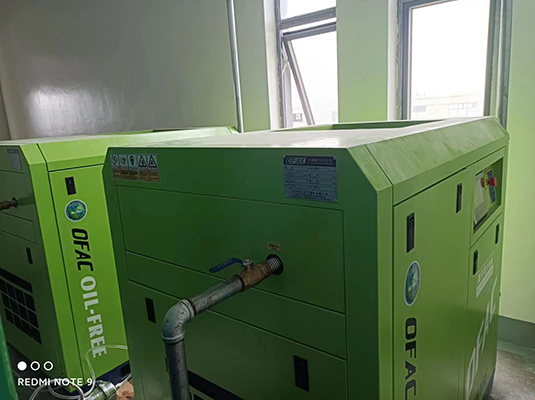
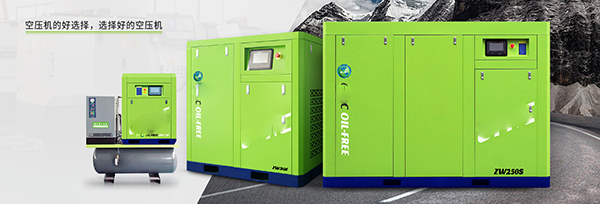
In modern solar panel manufacturing, compressed air quality directly shapes yield, safety, and long‑term panel performance. Permanent magnet air compressors have become a strategic asset for factories that run multiple vacuum pick‑and‑place lines, stringers, laminators, and automated testing stations. By combining high energy efficiency with stable pressure and clean, dry air, these machines help producers protect sensitive photovoltaic cells, maintain tight production tolerances, and lower total operating costs.
Role of Clean Compressed Air in Panel Assembly
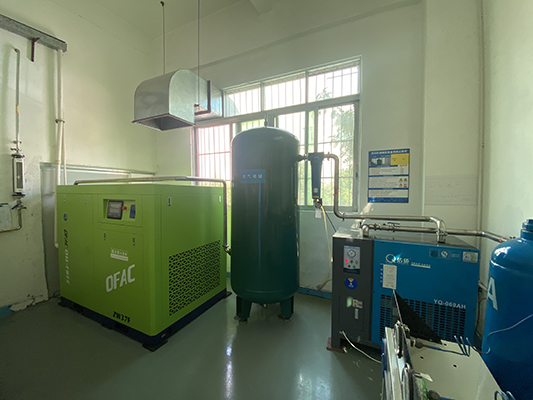
Automated panel assembly relies on compressed air to drive actuators, control valves, and vacuum systems that handle fragile cells and glass. Any trace of oil, moisture, or particles can contaminate encapsulation layers, cause delamination, or interfere with solder joints. Permanent magnet compressors, paired with filtration and dryers, provide oil‑free quality air for cell tabbing, bussing, junction‑box potting, and sealant dispensing. Stable pressure ensures consistent vacuum force during cell transfer, precise pneumatic motion during framing, and accurate metering of adhesives, which helps reduce micro‑cracks and manufacturing defects.
Performance Advantages of Permanent Magnet Technology
Permanent magnet motors deliver high efficiency across a wide load range, reducing electricity consumption in energy‑intensive solar factories. When integrated with variable speed control, the compressor output closely matches fluctuating air demand from different assembly lines, limiting unload losses and pressure overshoot. High power density and compact motor design save floor space in crowded production halls. Low vibration and quiet operation improve operator comfort and reduce stress on connected piping. These performance characteristics translate into lower kWh per cubic meter of air, extended component life, and more predictable maintenance schedules.
Importance for Continuous and High‑Quality Production
Solar panel plants often run 24/7, so compressed air interruptions can halt stringer machines and laminators, causing scrap and rework. Permanent magnet air compressors support continuous duty with robust cooling, intelligent control systems, and real‑time monitoring of pressure, temperature, and energy use. By maintaining narrow pressure bands, they protect critical tools such as pneumatic weld heads and cutting systems from performance drift. Clean, stable air also enhances measurement accuracy in inline testing, including electroluminescence inspection and insulation resistance checks, helping manufacturers meet international performance and warranty standards.
Integration, Maintenance, and Energy Optimization
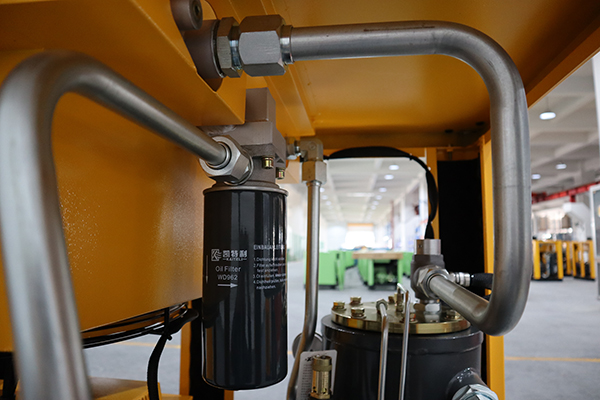
Modern permanent magnet compressors connect easily to plant energy‑management platforms. Data on load profiles, leak rates, and pressure drops supports optimization projects, such as eliminating oversized piping or correcting poorly tuned regulators. Maintenance teams benefit from long service intervals, condition‑based alerts, and easy access to filters and separators. When combined with heat recovery systems, waste heat from the compressor can preheat process water or HVAC circuits, further improving the overall energy balance of the solar panel facility.
1. How does a permanent magnet compressor cut energy costs in solar plants?
The high motor efficiency and variable speed control reduce idle running, keep the compressor near its best operating point, and lower kWh consumption per panel produced.
2. Is the compressed air clean enough for sensitive PV cell handling?
With appropriate filtration and drying stages, the system delivers low‑oil, low‑moisture air suitable for vacuum handling, soldering, and encapsulation processes.
3. What factors matter when selecting a unit for panel assembly lines?
Key factors include required flow and pressure range, energy efficiency, integration with existing air treatment, control options, noise level, and the ability to operate continuously in the plant’s ambient conditions.