Permanent Magnet Air Compressor with Long-Lasting Motor – Reduces Maintenance for Industrial Use
News 2025-11-17
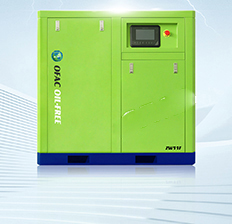
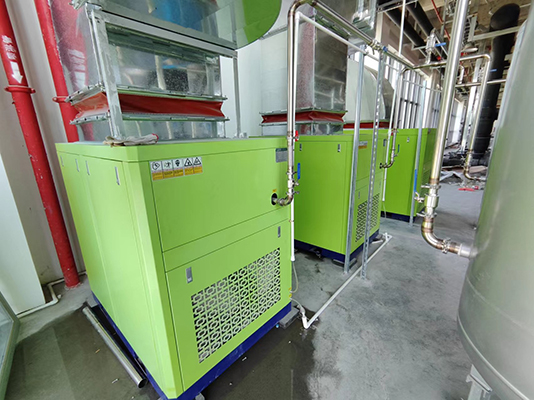
Permanent magnet air compressors are reshaping compressed air generation in factories, workshops, and process plants that run around the clock. By integrating a high‑efficiency permanent magnet motor with a smart, frequency‑controlled screw compressor, these units deliver stable airflow with significantly lower energy consumption and fewer service interventions. For operators facing rising electricity costs and tight production schedules, a long‑lasting drive motor that minimizes downtime becomes a strategic asset rather than just another machine on the shop floor.
Core Performance Advantages of Permanent Magnet Motors
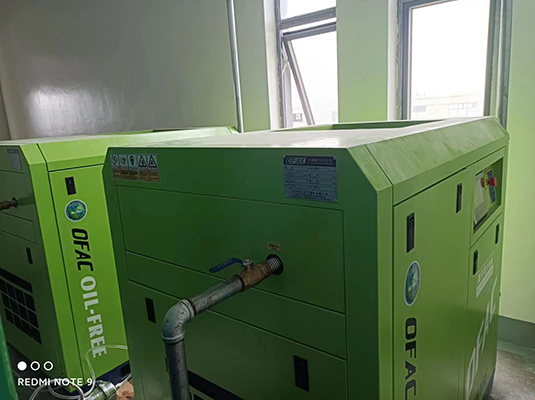
Permanent magnet motors operate with high power density and low rotor losses, which directly improves compressor efficiency across the full speed range. Unlike traditional induction motors, they maintain a high efficiency curve even at partial load, matching air delivery to real demand in applications such as CNC machining, automotive assembly, and food packaging. Reduced heat generation extends bearing life, protects windings, and supports longer lubrication intervals. The result is stable pressure, faster start‑up response, and lower total cost of ownership over the compressor’s lifecycle.
Reduced Maintenance and Longer Service Intervals
A long‑lasting permanent magnet motor decreases the number of scheduled shutdowns required for inspections and component replacement. Fewer mechanical losses and cooler operating temperatures slow wear on critical parts, allowing extended service intervals for bearings, seals, and drive components. Maintenance teams can focus on simple tasks such as filter replacement, condensate management, and periodic vibration checks instead of frequent motor overhauls. In multi‑shift industrial environments, this translates into more productive hours, fewer emergency call‑outs, and better planning of service windows.
Key Industrial Application Scenarios
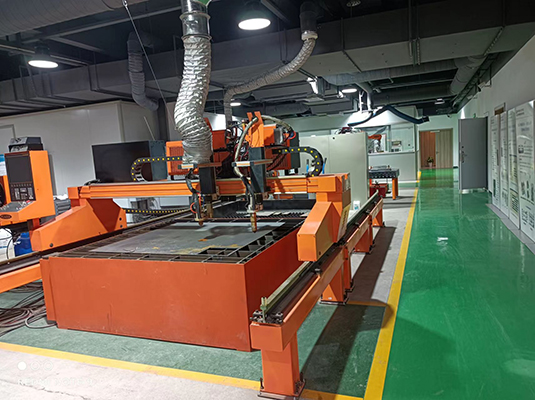
Permanent magnet air compressors have become a preferred choice in industries where continuous, clean, and stable compressed air is vital. In pharmaceutical and food processing plants, precise pressure control supports packaging lines, filling machines, and pneumatic conveying systems. In metalworking, laser cutting, sandblasting, and painting operations benefit from consistent airflow and reduced moisture load. Electronics manufacturing, textile production, and automotive component plants rely on these compressors to run robots, actuators, and instrumentation with minimal pressure fluctuation, improving product quality and reducing scrap.
Impact on Energy Consumption and Production Efficiency
Energy represents the largest cost in the lifecycle of an industrial air compressor, often exceeding the purchase price several times. The high efficiency of a permanent magnet motor combined with variable speed control can cut power consumption by a notable margin, especially in systems with fluctuating air demand. Stable system pressure reduces leakage losses in pipelines and protects downstream equipment from stress. When integrated with monitoring systems and smart controls, operators can track kWh per cubic meter of air, detect anomalies early, and optimize compressor sequencing in multi‑unit installations.
FAQ: Permanent Magnet Air Compressors in Industrial Use
1. How does a permanent magnet air compressor lower maintenance costs?
Lower operating temperatures, reduced mechanical losses, and longer service intervals for bearings and seals decrease the frequency and depth of maintenance, cutting labor and spare‑parts expenses.
2. Where are permanent magnet air compressors most commonly used?
They are widely used in metal fabrication, automotive manufacturing, electronics, food and beverage processing, pharmaceuticals, and any facility requiring stable compressed air for continuous production.
3. What should buyers look for when selecting this type of compressor?
Key factors include motor efficiency ratings, turndown range, noise level, filtration and drying options, service access design, and the availability of local technical support and spare parts.