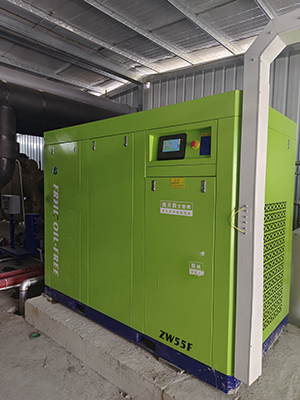
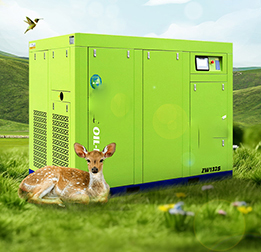
Permanent Magnet Air Compressor for Wind Turbine Maintenance – Portable Power for On-Site Repairs
News 2025-11-17
Maintaining modern wind farms demands compact, efficient tools capable of working in harsh, remote environments. A permanent magnet air compressor tailored for wind turbine maintenance delivers compressed air where it is needed most: at the nacelle, tower base, or offshore platform. By integrating high-efficiency permanent magnet motors with a portable compression system, technicians gain stable air supply for cleaning, fastening, testing, and emergency repair operations without depending on grid power or bulky diesel units.
On-Site Maintenance Scenarios in Wind Farms
Wind turbines require regular inspections of gearboxes, pitch systems, yaw drives, and brake assemblies. Compressed air supports tasks such as pneumatic tool operation, dust and moisture removal from control cabinets, and pressure testing of hydraulic and pneumatic circuits. A portable permanent magnet air compressor can be hoisted into the nacelle or wheeled between turbines, enabling on-tower bolt tightening, sealing replacement, filter cleaning, and sensor calibration. For offshore and mountainous locations, the reduced footprint and lower weight significantly simplify logistics and improve maintenance response times.
Performance Advantages of Permanent Magnet Technology
Permanent magnet motors deliver high power density, excellent part-load efficiency, and rapid start-up, making them ideal for intermittent use during turbine service work. Compared with traditional induction-motor compressors, they typically offer lower energy consumption, reduced heat generation, and smoother torque, which translates into more consistent air pressure and flow. Integrated variable-speed control allows the compressor to match air output to tool demand, minimizing idling and fuel or battery use. Low vibration and noise levels contribute to safer, more comfortable working conditions inside confined nacelle spaces.
Role in Wind Energy Industrial Processes
Beyond field repairs, permanent magnet air compressors play a role across the wind energy lifecycle. During turbine erection, compressed air drives impact wrenches and torque tools for tower and blade assembly. In component manufacturing, these compressors support automated production lines, surface treatment, and quality inspection equipment. Their high efficiency helps operators lower operating costs and carbon footprint, supporting sustainability goals. For asset owners, improved compressor performance directly enhances turbine uptime, as maintenance teams can complete tasks faster, with fewer interruptions caused by unstable air supply.
Selection, Integration, and Safety Considerations
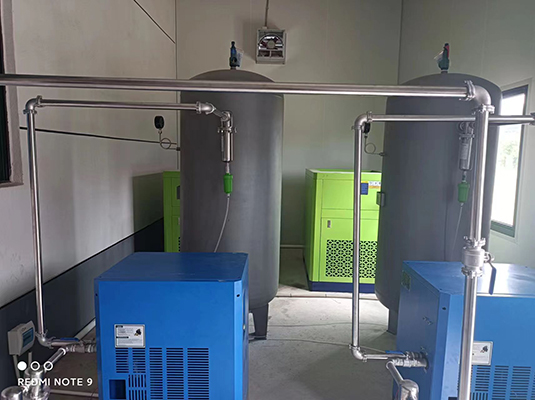
When selecting a permanent magnet air compressor for wind turbine maintenance, key criteria include pressure rating, flow capacity, power source compatibility, and environmental protection levels such as IP rating and corrosion resistance. Portable units often combine battery, grid, or generator input options to suit both onshore and offshore sites. Robust filtration and drying systems protect sensitive valves and instrumentation from moisture and particulates. Integrated monitoring of temperature, pressure, and motor load, combined with automatic shutdown functions, helps prevent failures in critical conditions. Proper integration into service vehicles and lifting systems ensures safe transport, hoisting, and operation at height.
1、How does a permanent magnet air compressor improve turbine maintenance efficiency?
It provides consistent, on-demand compressed air close to the work area, cutting setup time, reducing energy waste, and allowing technicians to complete fastening, cleaning, and testing tasks more quickly.
2、Is a portable permanent magnet compressor suitable for offshore wind farms?
Yes, compact design, high efficiency, and options for corrosion-resistant enclosures and flexible power supply make it well suited for offshore platforms and service vessels.
3、What maintenance does the compressor itself require?
Regular checks of filters, lubricants, cooling system, and electrical connections are necessary, along with scheduled inspections of the permanent magnet motor and control electronics to sustain performance over the unit’s service life.