Permanent Magnet Air Compressor for Medical Device Production – Sterile Air for Equipment Assembly
News 2025-11-17
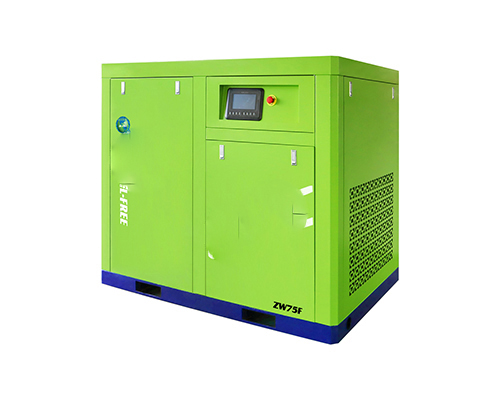
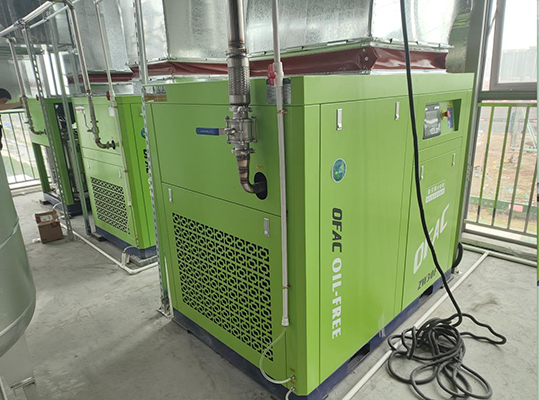
In modern medical device production, compressed air quality directly influences product safety, regulatory compliance, and factory efficiency. A permanent magnet air compressor delivers clean, dry, and stable air to critical assembly lines where ventilators, surgical tools, and diagnostic equipment are built. By combining high energy efficiency with advanced filtration and drying systems, it supports sterile environments and reduces the risk of contamination during sensitive manufacturing steps.
Clean Compressed Air for Sterile Assembly Areas
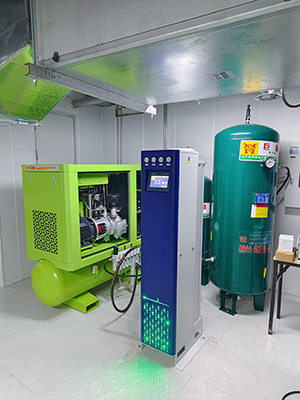
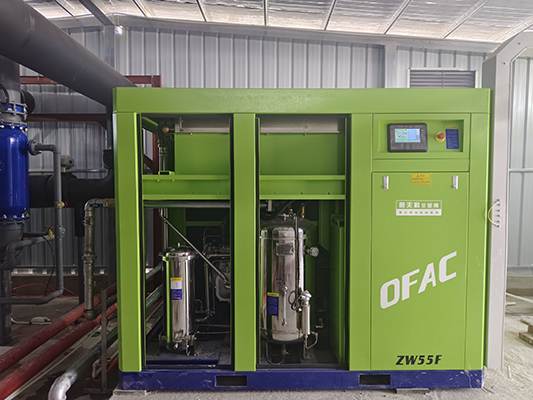
Medical device assembly often takes place in controlled or cleanroom environments, where every component must remain free from particles, oil, and microorganisms. A permanent magnet air compressor equipped with medical‑grade filtration, adsorption dryers, and stainless‑steel piping can supply oil‑free, low‑dew‑point air to pneumatic screwdrivers, pick‑and‑place units, and leak‑testing stations. Stable air quality helps manufacturers meet ISO 13485, GMP requirements, and stringent national pharmacopeia standards, while supporting consistent product performance and patient safety.
Performance Advantages of Permanent Magnet Technology
Permanent magnet motors offer high efficiency across a wide load range, which is crucial for medical factories with fluctuating air demand across multiple shifts. Variable‑speed control reduces energy consumption, minimizes pressure fluctuations, and lowers noise, improving working conditions in assembly areas. Compact structure, fewer mechanical losses, and lower operating temperatures extend compressor lifespan and reduce downtime. For medical device producers facing rising energy costs and strict environmental targets, these performance benefits translate into lower total cost of ownership and stronger competitiveness.
Importance in Critical Manufacturing Processes
During assembly of infusion pumps, catheters, and implantable devices, compressed air powers precision actuators, vision‑guided handling systems, and automated testing rigs. Any oil carryover, moisture, or particles can compromise surface cleanliness and interfere with bonding, coating, or sterilization processes such as ethylene oxide and gamma irradiation. A permanent magnet air compressor, paired with multi‑stage filtration and continuous monitoring of pressure, dew point, and particle count, helps maintain stable process conditions and traceable quality records, which are vital in audits by regulatory bodies and key medical customers.
Integration, Monitoring, and Maintenance Practices
Modern permanent magnet air compressors can be integrated into plant management systems via Modbus or Ethernet, enabling real‑time monitoring of power consumption, discharge pressure, and maintenance status. Predictive maintenance based on running hours and vibration data allows planned service without interrupting critical assembly lines. Using validated filters, documented maintenance procedures, and regular microbiological testing of compressed air supports risk management and compliance with internal quality systems. For global medical manufacturers, standardizing on this technology across multiple sites simplifies validation and ensures consistent compressed air quality.
1. Why is sterile compressed air vital for medical device assembly?
Sterile and oil‑free compressed air prevents contamination of sensitive components, supports effective sterilization, and helps manufacturers comply with medical regulations.
2. What makes a permanent magnet air compressor more efficient?
Its high‑efficiency motor and variable‑speed drive match air supply to demand, reducing energy loss, pressure drops, and operating costs.
3. How should manufacturers maintain compressed air quality?
They should use multi‑stage filtration, dryers, regular leak checks, documented maintenance, and continuous monitoring of dew point and particle levels.