Permanent Magnet Air Compressor for Plastic Recycling – Durable Performance for Material Processing
News 2025-11-17
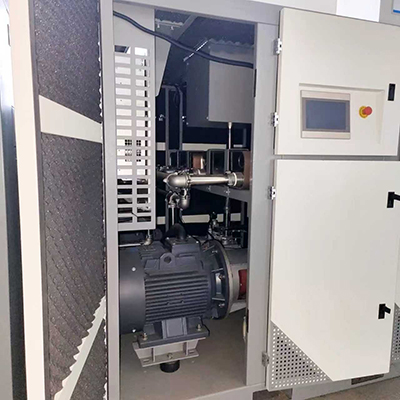
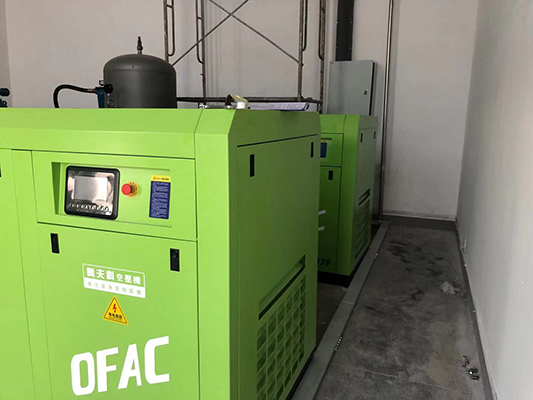
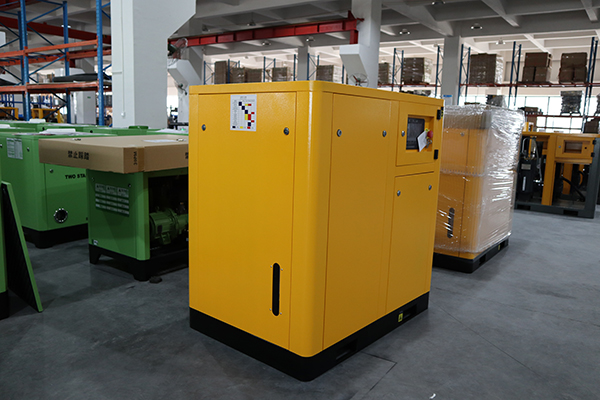
Permanent magnet air compressors are becoming a core component in modern plastic recycling plants, where stable compressed air is critical for shredding, washing, conveying, extrusion, and pelletizing processes. By combining high‑efficiency motors with intelligent control, these compressors support continuous, energy‑conscious operation in facilities that run around the clock. For recyclers seeking to cut operating costs while improving material quality, the choice of compressed air system directly influences process stability, equipment lifespan, and overall output.
Role in Plastic Recycling Applications
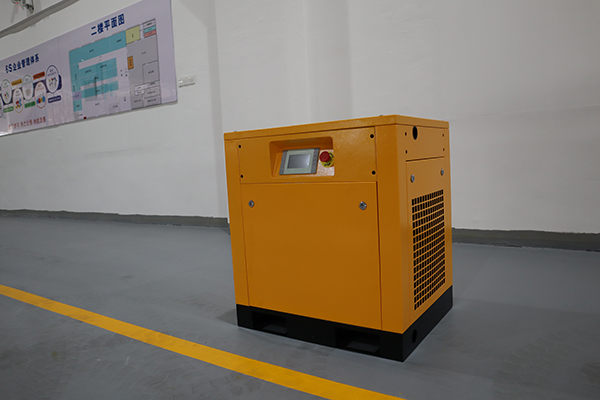
In plastic recycling, compressed air powers pneumatic conveyors, actuators, sorting equipment, air knives for drying, and cooling systems around extruders and pelletizers. A permanent magnet air compressor delivers consistent pressure so flakes and regrind move smoothly through pipes without blockages, and air‑driven valves respond quickly in washing and separation lines. Stable airflow also helps maintain uniform cooling in extrusion and granulation, which is vital for achieving pellets with the correct size, density, and mechanical strength for high‑value reuse.
Performance Advantages and Energy Savings
Permanent magnet motors achieve high efficiency across a wide load range, reducing power consumption when air demand fluctuates during different recycling shifts. Combined with variable speed drive control, the compressor adjusts output precisely to match plant requirements, lowering energy waste, heat generation, and noise. High‑quality filtration and drying options keep compressed air clean and dry, limiting contamination that can damage valves, sensors, and pneumatic cylinders. This performance profile leads to lower maintenance costs, fewer unplanned shutdowns, and a shorter payback period for energy‑intensive recycling operations.
Durability, Maintenance, and Process Stability
Plastic recycling environments often contain dust, moisture, and abrasive particles, so compressor durability directly affects production continuity. A permanent magnet air compressor designed with robust cooling, efficient lubrication, and advanced protection functions can operate reliably under heavy loads and frequent start‑stop cycles. Smart monitoring systems track temperature, pressure, and running hours to support predictive maintenance, helping operators schedule service without interrupting critical washing, sorting, and pelletizing tasks. Consistent air quality and pressure stabilize material processing, preventing defects such as incomplete drying, poor pellet formation, and irregular extrusion.
Importance for Sustainable and Scalable Operations
Energy consumption is one of the largest costs in plastic recycling plants, and compressed air typically accounts for a significant share. By adopting permanent magnet air compressors, operators reduce electricity use and associated emissions while expanding capacity to handle greater volumes of post‑consumer or industrial plastic waste. The combination of high efficiency, compact design, and long service life supports plant upgrades, new production lines, and automated sorting systems. This makes the compressor not only a utility device, but a strategic asset that supports consistent product quality, environmental compliance, and long‑term profitability.
1. How does a permanent magnet air compressor help cut energy costs?
By using a high‑efficiency permanent magnet motor with variable speed control, the compressor matches air output to real demand, minimizing idling losses and lowering overall power consumption.
2. Is it suitable for continuous 24/7 plastic recycling production?
Yes, when correctly sized and maintained, these compressors provide stable pressure and temperature control for round‑the‑clock operation in shredding, washing, extrusion, and pelletizing lines.
3. What features should recycling plants focus on when selecting a unit?
Key factors include energy efficiency, air quality and drying system, durability in dusty environments, noise level, control interface, and compatibility with existing pneumatic equipment and automation systems.