Corrosion-proof water-lubricated oil-free screw air compressor damp conditions
News 2025-11-17
Corrosion-proof water-lubricated oil-free screw air compressor damp conditions
Design features for harsh and damp environments
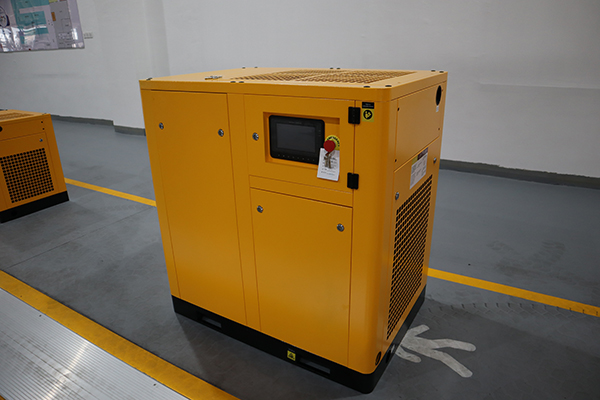
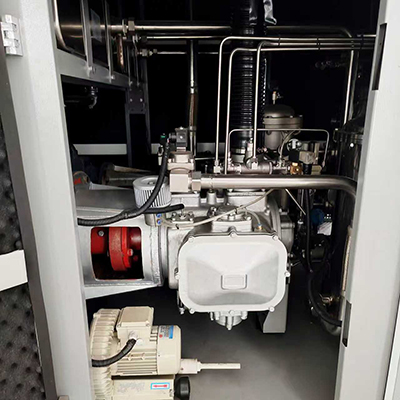
The corrosion-proof water-lubricated oil-free screw air compressor is engineered specifically for high humidity workshops, coastal plants, underground facilities, and wastewater treatment sites. Key components such as rotors, housing, piping, and coolers are manufactured using corrosion-resistant alloys, high-grade stainless steel, and advanced surface treatments. Internal water pathways are optimized to prevent stagnant zones and scaling, while special coatings protect against pitting and crevice corrosion caused by chlorides and acidic condensate. The oil-free screw design eliminates mineral oil contamination, making the machine suitable for sensitive applications and reducing the risk of sludge formation in damp conditions.
Performance advantages and energy efficiency
This class of compressor delivers stable pressure, high volumetric efficiency, and low discharge temperatures, even when inlet air is saturated with moisture. Water lubrication removes heat directly at the compression point, lowering power consumption and extending service life of bearings and seals. Variable speed drive options allow precise matching of air supply to dynamic production demand, cutting energy waste during partial-load operation. The oil-free architecture simplifies downstream filtration, reducing pressure drop and contributing to overall system efficiency. Quiet operation, low vibration, and intelligent control packages further enhance performance and reduce lifecycle cost in 24/7 industrial duty.
Critical role in industrial processes and product quality
In industries such as food and beverage, pharmaceuticals, electronics, textile, and chemical processing, clean compressed air quality is directly linked to product integrity and regulatory compliance. The oil-free screw element eliminates the risk of hydrocarbon carryover, while corrosion-proof construction ensures consistent performance despite exposure to moisture-laden ambient air. This stability is crucial for pneumatic conveying, fermentation aeration, packaging lines, precise instrumentation, and coating processes, where even minor contamination or pressure fluctuation can trigger downtime, batch rejection, or safety incidents. By securing both purity and reliability, the compressor becomes a key asset in meeting ISO air quality standards and strict customer audits.
Application scenarios, installation, and maintenance considerations
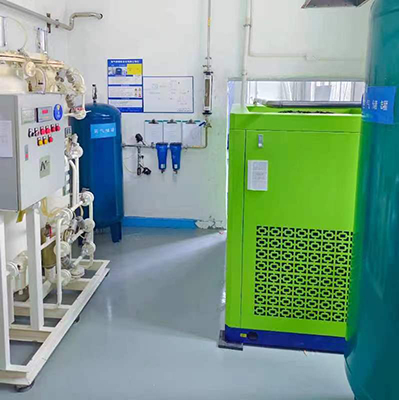
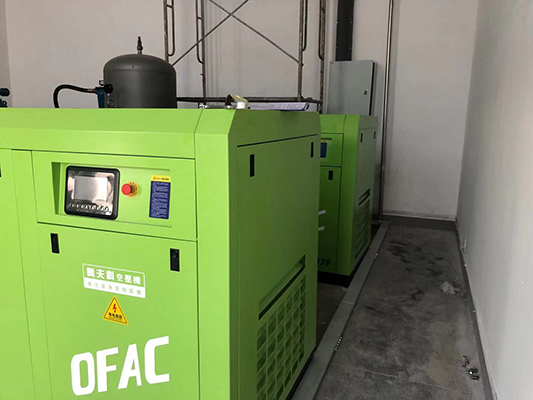
These compressors are widely deployed in coastal power plants, marine dock facilities, tunnel construction, paper mills, and municipal water plants, where traditional oil-lubricated units suffer premature corrosion. For optimum performance, installations should include correctly sized intake filters, anti-condensation measures for control panels, and drainage systems for water separators and receivers. Regular inspection of water quality, scaling tendencies, and corrosion indicators is recommended, along with scheduled cleaning of heat exchangers. Because no oil changes or oil filter replacements are required, maintenance intervals can be extended and environmental disposal costs reduced, making the solution attractive for operators aiming at low total cost of ownership and sustainable operation.
1、Can this compressor operate in high-salt coastal air?
Yes, its corrosion-proof materials and protective coatings are designed to withstand salt-laden humidity, ensuring stable operation and long service life.
2、Is the compressed air suitable for food and pharmaceutical use?
The oil-free screw design and water-lubricated system support high air purity, making it suitable for processes that require clean, oil-free compressed air when combined with proper downstream treatment.
3、How does it reduce overall operating costs?
Energy savings from efficient water cooling, minimized filtration pressure drop, reduced maintenance, and elimination of oil handling significantly lower total lifecycle costs for industrial users.