Permanent Magnet Air Compressor for Stone Cutting Workshops – Powerful Air Supply for Cutting Tools
News 2025-11-17
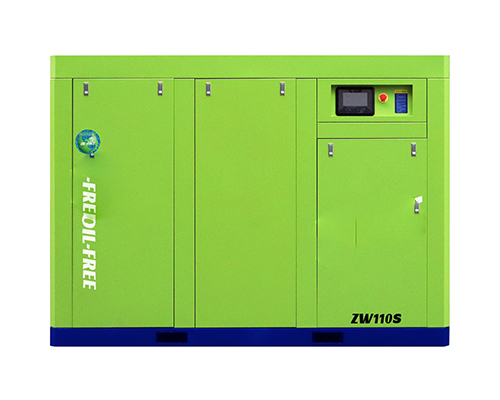
Permanent magnet air compressors are becoming a core power source for stone cutting workshops that demand strong, stable, and energy‑efficient compressed air. In an environment filled with dust, vibration, and long operating hours, traditional compressors often struggle to deliver consistent pressure for high‑load cutting tools. A permanent magnet compressor addresses these issues with superior motor efficiency, precise air output control, and compact design, making it suited to support intensive stone processing lines and CNC bridge saws.
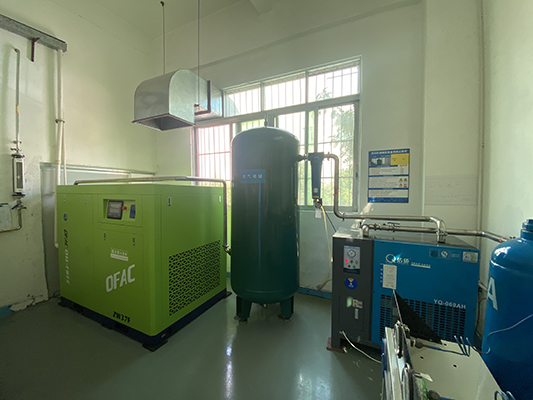
Application Scenarios in Stone Cutting Workshops
In stone cutting facilities, compressed air drives pneumatic cutting tools, drilling machines, polishing units, and material handling actuators. The permanent magnet air compressor supplies stable pressure for continuous cutting of granite, marble, quartz, and engineered stone slabs. It supports automated cutting centers with multiple air outlets, powering tool change systems, clamping devices, air jets for chip removal, and dust extraction equipment. By delivering clean, dry air through integrated filtration and dryers, it helps protect sensitive valves and cylinders from abrasive particles, reducing leakage and downtime in harsh workshop conditions.
Key Performance Advantages for Cutting Tools
The main advantage of a permanent magnet air compressor is its high motor efficiency and variable speed control, which match air output precisely to tool demand. This minimizes power loss during partial load operation, cutting energy consumption significantly compared with fixed‑speed units. High starting torque ensures rapid pressure build‑up, allowing cutting tools to reach optimal speed without delay. Stable discharge pressure keeps blade rotation smooth, improving edge quality and reducing chipping on stone surfaces. Lower vibration and quieter operation enhance operator comfort, while optimized cooling and integrated protections extend compressor and tool lifespan.
Importance in Industrial Stone Processing
In modern stone processing lines, continuous and predictable air supply directly impacts production efficiency and product consistency. Any fluctuation in pressure can cause uneven cuts, tool wear, and unplanned machine stoppages. A permanent magnet compressor maintains constant pressure even during peak demand, supporting multiple workstations simultaneously. Its reduced energy use lowers operating costs and helps workshops meet increasingly strict environmental and energy‑management standards. The compact footprint frees space for cutting tables and material handling systems, while easy integration with monitoring systems enables preventive maintenance and data‑driven production planning.
Operation, Maintenance, and Selection Tips
For stone workshops, proper sizing of the permanent magnet air compressor is critical. Operators should calculate total air demand of all cutting tools, polishing units, and auxiliary devices, then choose a model with enough capacity and a safety margin for future upgrades. Regular maintenance of filters, dryers, and oil systems ensures clean air and prevents abrasive dust from entering pneumatic components. Monitoring pressure, temperature, and running hours helps schedule servicing before failures occur. When selecting equipment, attention should be given to energy efficiency ratings, noise level, heat recovery options, and compatibility with existing air distribution pipelines.
1、What benefits does a permanent magnet compressor bring to stone cutting?
It delivers stable pressure, higher energy efficiency, and rapid response to load changes, improving cutting accuracy and lowering operating costs.
2、Is it suitable for workshops with multiple cutting machines?
Yes, its variable speed control and constant pressure output make it ideal for supplying air to several saws, drills, and polishing tools at the same time.
3、How does it reduce maintenance in dusty environments?
Efficient filtration, stable operating temperature, and reduced mechanical stress on components decrease wear, unplanned shutdowns, and overall maintenance frequency.