Permanent Magnet Air Compressor for Battery Charging Stations – Efficient Power for Pneumatic Systems
News 2025-11-17
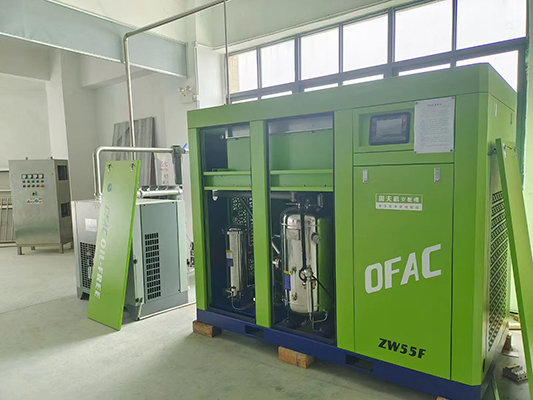
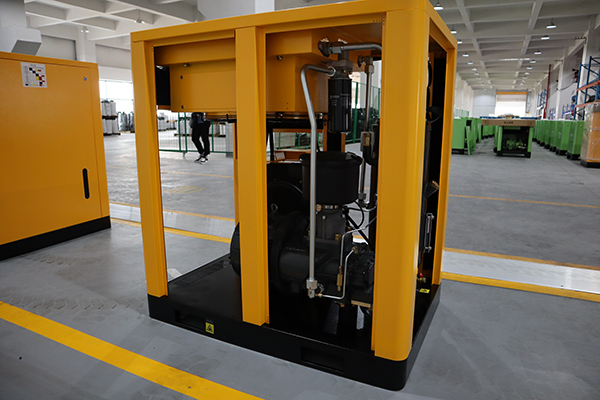
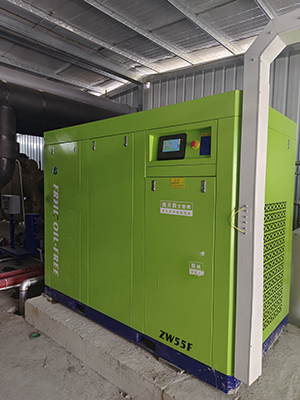
Permanent magnet air compressors are becoming a core component in modern battery charging stations that support electric vehicles and industrial energy storage systems. By combining high-efficiency motors with precisely controlled compression, these machines provide stable air supply for cooling, actuation, and maintenance tools deployed around charging infrastructure. Their compact footprint, low noise, and strong energy savings make them well suited to densely built charging hubs where space and power quality are critical.
Key Roles in Battery Charging Stations
In fast-charging stations, permanent magnet compressors feed air to pneumatic valves, connectors, and cooling jackets that help manage cable and transformer temperatures. Automated couplers and robotic arms use compressed air to lock, unlock, and position high-current connectors with consistent force. Many facilities also depend on these compressors for tire inflation, panel cleaning, and workshop tools used during EV inspection and repair. Stable compressed air improves safety, prevents overheating, and supports continuous charging operations, especially in high-traffic urban and highway corridors.
Performance Advantages and Energy Savings
Permanent magnet motors deliver higher efficiency than traditional induction designs, especially under partial load, which is common in variable charging demand. When paired with variable speed drives, the compressor output closely follows real-time air consumption, reducing unload losses and cutting power costs. High power density allows smaller, lighter units without sacrificing flow rate or pressure stability. Lower vibration and reduced mechanical losses extend service life of bearings and seals, helping station operators lower lifecycle cost and meet sustainability targets, including energy efficiency certifications.
Integration, Control, and Maintenance
Modern permanent magnet air compressors integrate seamlessly into station control systems via Modbus, CAN, or Ethernet-based protocols. Operators can monitor pressure, temperature, and power draw from a central SCADA or energy management platform, making it easier to schedule preventive maintenance and detect anomalies early. Air quality options such as dryers and filters protect sensitive actuators and valves from moisture and particulates. Proper sizing, correct ventilation, and attention to ambient temperature around the charging yard ensure consistent performance, even during peak summer loads or round-the-clock operation.
Impact on Industrial-Scale Charging Infrastructure
When battery charging stations expand to serve fleets, factories, or ports, the role of the permanent magnet compressor becomes more strategic. High utilization rates demand robust, efficient compressed air to support automated parking systems, battery swapping equipment, and workshop processes. Choosing a scalable compressor package with modular expansion capability helps operators respond to growing EV traffic without disrupting air supply. Accurate pressure control protects downstream equipment, reduces leakage, and keeps pneumatic components operating within their design envelope, enhancing uptime and user safety.
1. How does a permanent magnet air compressor save energy in a charging station?
It maintains high motor efficiency across varying loads and uses speed control to match air output with real demand, cutting idle time and reducing electricity consumption.
2. What applications use compressed air around battery charging stations?
Compressed air powers cooling circuits, robotic connectors, pneumatic valves, cleaning nozzles, tire inflation equipment, and maintenance tools in service bays.
3. What factors matter when selecting a compressor for EV charging hubs?
Key considerations include flow and pressure requirements, duty cycle, energy efficiency, integration with control systems, air quality needs, and available installation space.