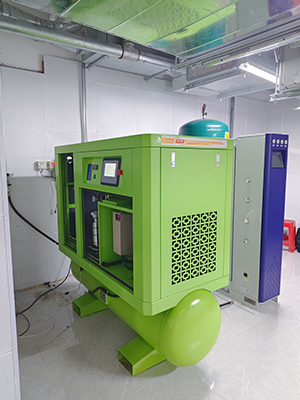
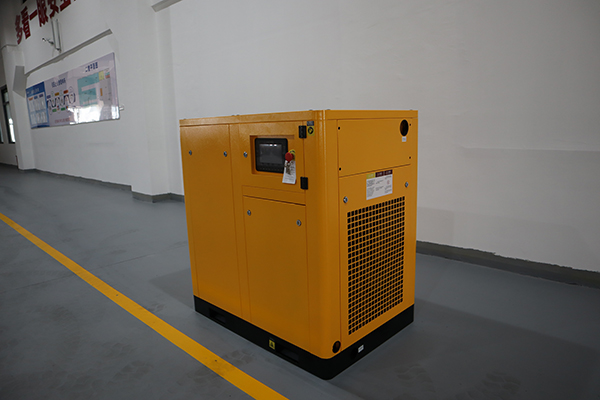
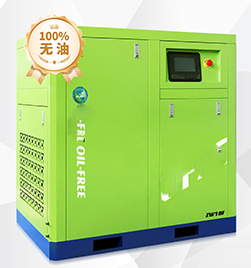
Easy-maintenance water-lubricated oil-free screw air compressor hassle-free upkeep
News 2025-11-17
Easy-maintenance water-lubricated oil-free screw air compressor hassle-free upkeep
Clean Air Delivery for Critical Applications
Water-lubricated oil-free screw air compressors are engineered to deliver high-quality, contamination-free compressed air for demanding industrial environments. By fully eliminating lubricating oil from the compression chamber, these systems help protect downstream equipment, process lines, and end products from oil vapors and aerosols. This makes them ideal for applications such as food and beverage packaging, pharmaceutical manufacturing, precision electronics, and medical devices, where even trace oil content can cause quality issues, safety risks, or regulatory non-compliance. In addition, their stable pressure output and low pulsation support accurate control of pneumatic tools, robotic actuators, and automated process valves.
Performance Benefits of Water Lubrication
Using water as the primary lubricating and sealing medium brings a combination of performance and maintenance benefits. Water has excellent heat absorption capability, enabling efficient cooling of the compression elements and supporting continuous duty cycles under high load. This helps maintain consistent discharge temperature, protects internal components, and improves overall energy efficiency. The water film also provides effective sealing of the screw rotors, enhancing volumetric efficiency and reducing internal leakage. Because there is no oil circulation, there is no need for oil separation stages, oil filters, or periodic oil sampling, which simplifies system layout and lowers consumable costs over the compressor’s service life.
Easy Maintenance and Reduced Downtime
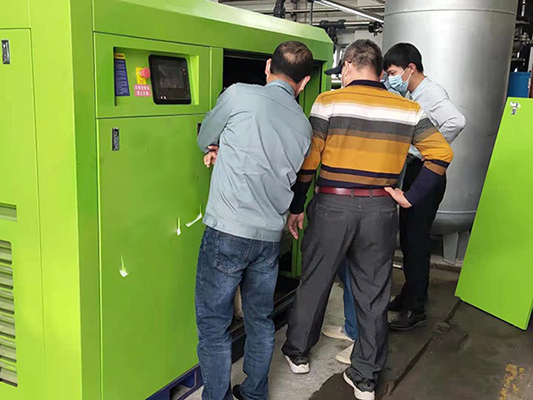
Hassle-free upkeep is a core advantage of this type of compressor, especially for plants operating multiple production shifts. Routine maintenance is largely focused on simple tasks such as scheduled water changes, inspection of water quality, cleaning or replacement of air and water filters, and basic checks on seals and hoses. Many units are designed with front-access service panels, clear component labeling, and integrated diagnostics that provide early warnings of abnormal temperature, pressure, or flow. These features shorten service time, reduce the need for specialized technicians, and help prevent unplanned downtime. In industries where continuous compressed air supply is mission-critical, simplified maintenance directly supports higher productivity and lower lifecycle costs.
Importance in Modern Industrial Processes
In contemporary manufacturing and processing facilities, compressed air is often referred to as the fourth utility, and its quality has a direct influence on product yield, equipment longevity, and energy consumption. Water-lubricated oil-free screw air compressors contribute to stable and efficient plant operation by delivering clean air that complies with strict ISO air purity classes. Their quiet operation and compact footprint support flexible installation in production halls, technical rooms, or centralized compressor stations. When integrated into intelligent control systems, they can be combined in multi-compressor networks to match air output precisely to fluctuating demand, further optimizing energy use and lowering operating costs across a wide range of sectors including textiles, automotive, food processing, and high-purity packaging.
Quick Questions and Answers
1What industries benefit most from oil-free water-lubricated compressors?
They are most beneficial in pharmaceuticals, food and beverage, electronics, medical facilities, and any process where oil contamination of compressed air is unacceptable.
2How often does the water need to be replaced?
Replacement intervals depend on water quality and operating hours, but many systems only require scheduled changes during routine service checks recommended by the manufacturer.
3Do these compressors reduce overall operating costs?
Yes, they lower costs by cutting out oil-related consumables, reducing filtration requirements, minimizing downtime, and improving energy efficiency through better cooling and sealing performance.