Compact-size water-lubricated oil-free screw air compressor limited spaces
News 2025-11-17
Compact-size water-lubricated oil-free screw air compressor limited spaces
Space-saving design for constrained facilities
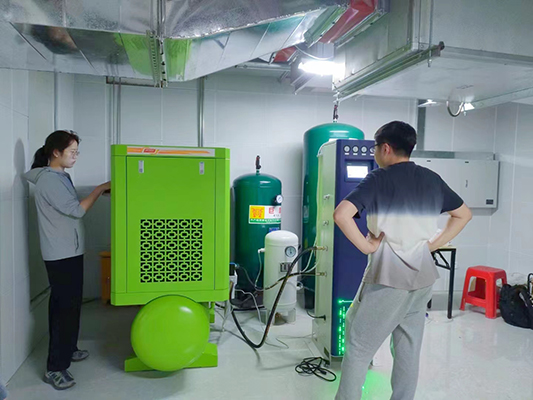
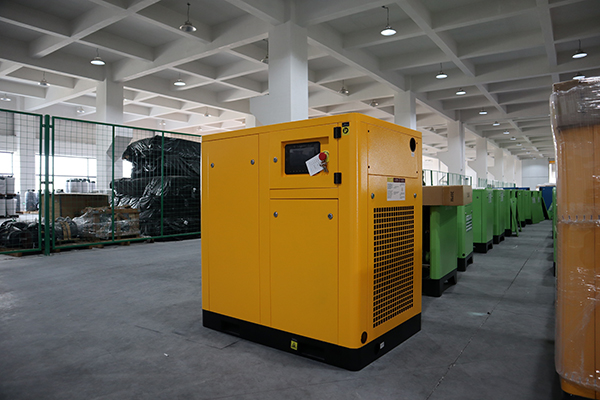
In modern factories, technical rooms and production lines are often squeezed by other utilities, making traditional compressor installations difficult. A compact-size water-lubricated oil-free screw air compressor solves this problem through a vertically oriented, integrated layout that minimizes footprint while maintaining industrial output. Skid-mounted modules, reduced clearance requirements and optimized ventilation channels allow the unit to be installed in narrow corridors, mezzanines or containerized compressor stations. This makes it attractive for brownfield upgrades where floor space is fully occupied, as well as for mobile and offshore applications where every square meter is critical.
Oil-free performance and clean air quality
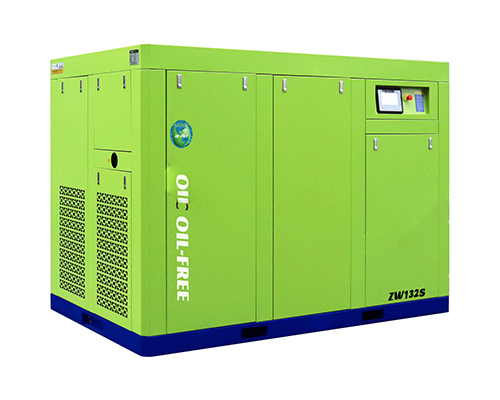
By using water as the lubrication and sealing medium, the screw element operates without any mineral or synthetic oil in the compression chamber. This design virtually eliminates the risk of oil carryover, protecting downstream filters, dryers and pneumatic tools from contamination. For industries such as food and beverage, pharmaceutical production, electronics, medical gas supply and high-purity coating processes, oil-free air is vital to meet regulatory standards and product quality requirements. The water-lubricated screw stage also helps control discharge temperatures, which reduces thermal stress on components and supports consistent ISO class air purity when combined with appropriate treatment equipment.
Performance, efficiency and cost benefits
Despite its reduced dimensions, a compact water-lubricated oil-free screw air compressor can deliver stable pressure, high free air delivery and excellent part-load efficiency. Variable speed drive options allow the motor speed to match real demand, cutting energy consumption during periods of fluctuating production. Water sealing improves compression efficiency and reduces internal leakage loss, while low operating temperatures extend the service life of bearings, seals and rotors. Together, these factors translate into lower total cost of ownership, fewer unplanned shutdowns and improved sustainability metrics such as reduced CO2 emissions per cubic meter of compressed air generated.
Key application scenarios in modern industry
This compressor concept is particularly suited to plants where clean, dry, oil-free air must be produced close to the point of use, but installation space is severely limited. Typical scenarios include bottling halls, aseptic packaging lines, cleanrooms, surface treatment cabins, textile mills and precision assembly cells. In many cases, the compact package can be positioned directly on the production floor, shortening piping runs, minimizing pressure drop and improving system response. Containerized systems using these compressors are widely used in temporary or remote projects such as mining camps, shipyards and on-site testing facilities, ensuring a flexible and scalable air supply while maintaining high energy performance and safety.
FAQs
1、What maintenance does a water-lubricated oil-free screw compressor require?
Routine tasks include checking water quality, inspecting filters, monitoring seals, draining and refilling the water circuit at defined intervals, and verifying that cooling and ventilation are unobstructed. Preventive maintenance keeps efficiency high and prevents corrosion or scaling.
2、Is a compact unit powerful enough for heavy-duty industrial use?
Yes. Although the footprint is small, the screw element and drive system are engineered for continuous duty, offering competitive flow rates and stable pressure. Correct sizing and proper system design ensure the compressor meets heavy production demands.
3、How does this technology support energy savings?
Water sealing improves isothermal compression, while variable speed control and short piping reduce energy loss. Together they lower kWh consumption per cubic meter of air, helping plants meet energy management and sustainability targets.