Compact-design water-lubricated oil-free screw air compressor space efficiency
News 2025-11-17
Compact-design water-lubricated oil-free screw air compressor space efficiency
Space-saving configuration for modern plants
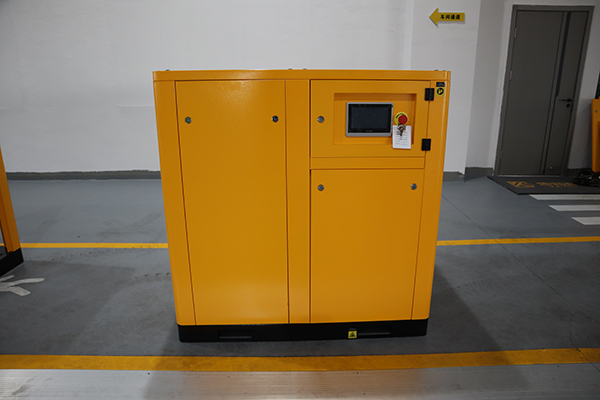
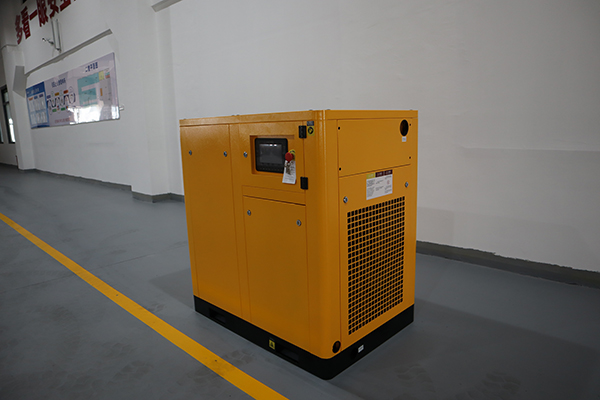
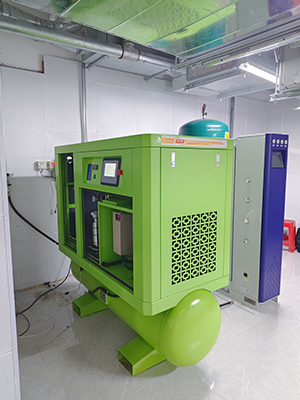
Compact-design water-lubricated oil-free screw air compressors are engineered to deliver high output in a minimal footprint, helping factories and utility rooms maximize valuable floor area. By integrating motor, screw element, cooling system, and control cabinet into a compact frame, these compressors can be installed close to production lines, in mezzanine levels, or inside containerized compressor rooms. This design approach is especially attractive for brownfield projects where expansion space is limited but air demand continues to grow. Reduced installation area simplifies layout planning, shortens piping routes, and lowers pressure losses, directly improving system efficiency and lowering total cost of ownership.
Oil-free performance and water lubrication benefits
Water-lubricated oil-free screw technology eliminates the need for conventional oil injection, removing the risk of hydrocarbon contamination in the compressed air network. Water acts as both a lubricant and a cooling medium, providing excellent sealing in the compression chamber while maintaining low operating temperatures. This results in high isothermal efficiency, stable discharge pressure, and improved energy performance compared to many traditional oil-lubricated designs. For industries such as food and beverage, pharmaceutical, electronics, medical, and precision coating, oil-free air reduces filtration stages, simplifies quality validation, and helps meet stringent ISO 8573 air purity classes and regulatory guidelines.
Application scenarios in critical industrial processes
These compact oil-free screw compressors are widely adopted wherever clean, dry, particle-free air is integral to product quality and process safety. Typical applications include fermentation aeration in biotech plants, pneumatic conveying in dairy and grain processing, aseptic packaging, instrument air for refineries, cleanroom utilities in semiconductor fabrication, and high-precision spray painting lines. The small footprint allows installation directly adjacent to clean production zones, minimizing piping corridors through sensitive areas. In containerized solutions, multiple compressors can be deployed as modular air stations for remote mining sites, offshore platforms, or temporary construction projects, securing dependable compressed air even under space constraints.
Performance, control, and lifecycle efficiency
From a performance perspective, water-lubricated oil-free screw compressors offer high specific output, low noise, and reduced vibration, enabling placement near operators without extensive acoustic treatment. Advanced variable-speed drives and smart controllers continuously match compressor output to fluctuating air demand, limiting idling time and avoiding energy waste. Real-time monitoring of key parameters such as inlet pressure, motor load, water quality, and discharge temperature supports predictive maintenance strategies. Over the lifecycle, lower energy consumption, minimized filter changeouts, and the absence of oil management or disposal significantly reduce operating costs. In addition, compliance with environmental regulations is easier, as there is no risk of oil leaks or contaminated condensate.
Key SEO-focused questions and answers
1. What industries use compact oil-free screw air compressors?
They are widely used in food, beverage, pharmaceutical, electronics, medical, automotive painting, and cleanroom manufacturing where oil-free compressed air is critical.
2. How does water lubrication improve compressor efficiency?
Water provides effective sealing and cooling in the compression chamber, lowering discharge temperatures, enhancing isothermal efficiency, and reducing overall energy consumption.
3. Why is space efficiency important for air compressor selection?
Space-efficient compressors free up floor area for production equipment, simplify plant layout, cut piping length, and help existing facilities increase air capacity without costly building expansion.