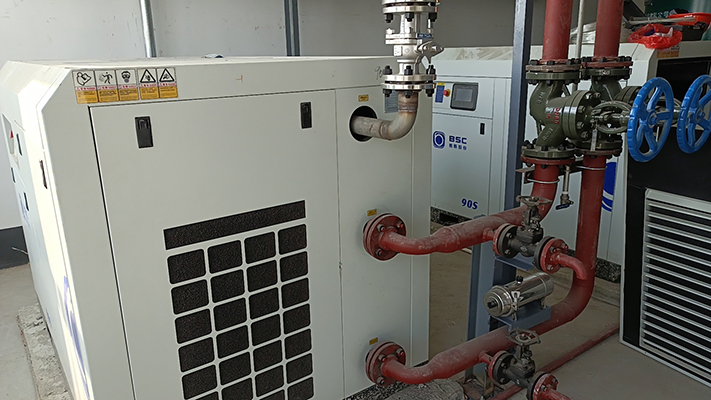
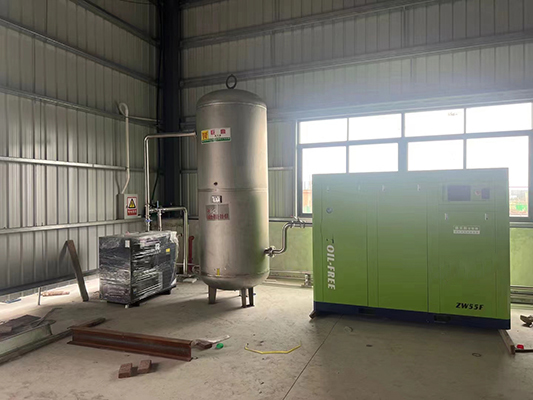
Zero-contamination water-lubricated oil-free screw air compressor pure air output
News 2025-11-17
Zero-contamination water-lubricated oil-free screw air compressor pure air output
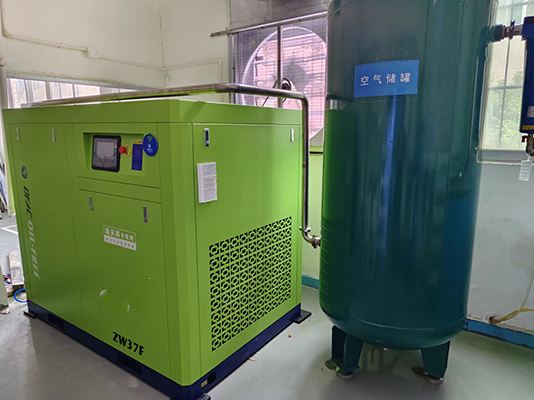
Pure Air as a Strategic Industrial Resource
In many modern factories, compressed air is classified as a critical utility, standing beside electricity and water. For pharmaceuticals, food and beverage, electronics, and medical devices, the quality of compressed air directly influences product safety, consistency, and regulatory compliance. Zero-contamination water-lubricated oil-free screw compressors respond to this demand by eliminating the risk of oil migration into the air stream. Instead of relying on mineral or synthetic oils, these systems use water as the lubricating and sealing medium, allowing the compressor to deliver clean, dry, and odor-free air that meets strict international purity standards.
Core Performance Features and Technical Benefits
The screw air-end in a water-lubricated oil-free compressor is engineered to maintain tight clearances and stable compression using a water film, resulting in reduced mechanical friction and smooth operation. This design minimizes internal temperature rise, improving volumetric efficiency and extending component life. Direct-drive or high-efficiency motor configurations help achieve low specific power consumption, cutting energy costs over the compressor’s life cycle. Advanced control systems, such as variable speed drives and intelligent monitoring, optimize loading and unloading, reducing idle time and supporting precise pressure control. The result is a high-performance air system delivering stable pressure, reduced noise, and consistent zero-oil air quality.
Key Application Scenarios Across Industries
Zero-contamination water-lubricated oil-free screw compressors are increasingly deployed in industries where even microscopic oil traces are unacceptable. In pharmaceutical manufacturing, they protect sterile environments and prevent batch contamination during tablet coating, capsule filling, and packaging. Food and beverage plants rely on pure air for direct product contact, pneumatic conveying, and blow molding of PET bottles, ensuring taste neutrality and hygiene. In semiconductor, LCD, and lithium battery production, absolutely clean air is mandatory to avoid surface defects and ensure high yields. Hospitals and laboratories also use these systems for medical air networks, where patient safety and compliance with stringent standards are non-negotiable.
Role in Sustainable and Cost-efficient Operations
From an operational standpoint, water-lubricated oil-free screw air compressors streamline maintenance and environmental management. The absence of lubricating oil in the compression chamber eliminates the need for expensive oil filtration, condensate treatment, and disposal processes. This reduces the overall carbon footprint and supports corporate sustainability targets. At the same time, lower discharge temperatures and improved isothermal efficiency translate into reduced energy usage, which is the largest cost element in a compressed air system. By combining clean air output, simplified maintenance, and energy savings, these compressors support long-term competitiveness while helping plants meet environmental regulations and customer audits.
Practical Considerations and FAQ
1. Where are zero-contamination oil-free compressors most commonly used?
They are widely used in pharmaceuticals, food and beverage, electronics, healthcare, precision manufacturing, and any facility where product purity and regulatory compliance strictly limit oil contamination.
2. How do water-lubricated compressors reduce operating costs?
They cut costs by lowering energy consumption through higher efficiency, reducing the number of filtration stages, and eliminating oil handling, waste treatment, and associated downtime.
3. What should buyers focus on when selecting such a compressor?
Key points include certified oil-free air class, energy efficiency, water quality management, control system functions, after-sales service capability, and compatibility with existing compressed air treatment equipment.