Anti-rust water-lubricated oil-free screw air compressor corrosive environments
News 2025-11-17
Anti-rust water-lubricated oil-free screw air compressor corrosive environments
Operating demands in harsh, corrosive industrial settings
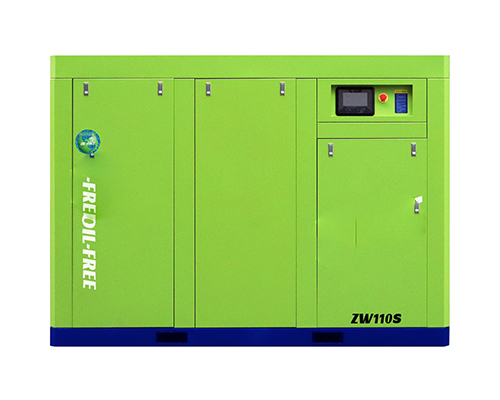
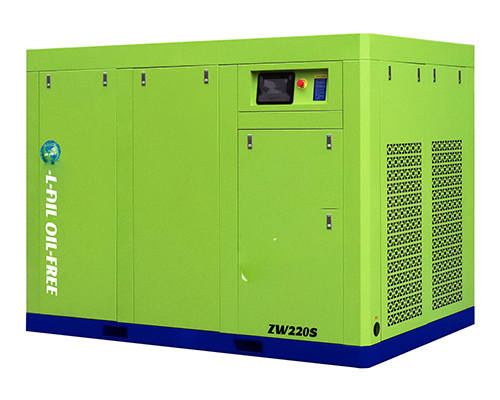
In chemical plants, marine facilities, food and beverage lines, and pharmaceutical production, compressed air systems work in atmospheres loaded with moisture, salt, acids, or aggressive cleaning agents. Conventional oil-injected compressors often suffer internal corrosion, lubricant degradation, and contamination risks that lead to unstable air supply and unplanned shutdowns. An anti-rust water-lubricated oil-free screw air compressor is engineered to overcome these challenges by eliminating oil, using treated water as the lubricating and cooling medium, and applying corrosion-resistant materials throughout the air end and piping. This configuration delivers clean, dry, and stable compressed air even when the surrounding environment is highly corrosive or constantly humid.
Core performance features and anti-corrosion design advantages
The heart of this compressor is a precision-machined oil-free screw air end, where stainless steel or special coated rotors operate in a water film that reduces friction and heat generation. Advanced anti-rust treatments are applied to critical components such as the housing, shaft, and internal channels to resist pitting and chemical attack. Water circulation provides efficient heat dissipation, enabling lower compression temperatures, higher volumetric efficiency, and improved energy performance. Because there is no oil circuit, users avoid problems such as carbon deposits, oil carryover, and filter saturation, which are common failure points in corrosive atmospheres. Additionally, intelligent control systems continuously monitor temperature, pressure, water quality, and load conditions to keep operation within safe limits and extend equipment life.
Application scenarios and benefits across key industries
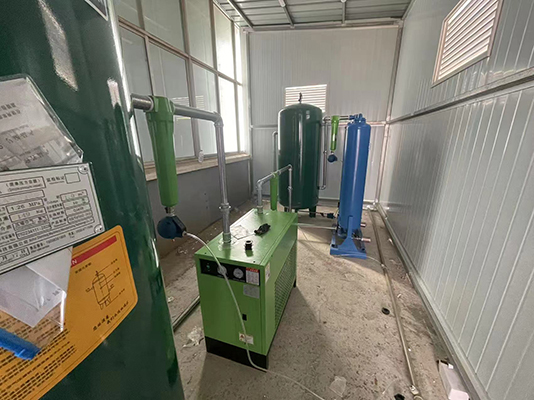
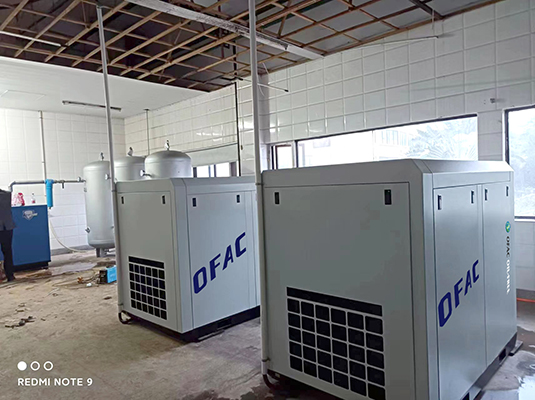
This type of compressor is widely adopted in sectors where air purity and corrosion resistance are critical. In chemical and petrochemical plants, it supplies process air and instrument air that must remain free from oil contamination to protect catalysts, valves, and analytical equipment. In marine shipyards and offshore platforms, the anti-rust structure resists seawater spray, salty fog, and high humidity, ensuring stable air for blasting, coating, and onboard utilities. Food, beverage, and pharmaceutical manufacturers rely on oil-free, water-lubricated compression to maintain hygienic production, complying with stringent quality and safety standards. Electronics and precision manufacturing also benefit from reduced particulate and oil aerosols, which protects sensitive surfaces and coatings. Across all these scenarios, the result is longer maintenance intervals, reduced downtime, lower lifecycle cost, and improved environmental performance.
Importance in modern industrial processes and maintenance strategy
In modern factories pursuing higher automation, energy savings, and ESG compliance, compressed air is an important utility that directly influences productivity and product quality. An anti-rust water-lubricated oil-free screw air compressor supports these goals by delivering stable pressure, low noise, and optimized specific power consumption, especially under continuous heavy-duty operation. Regular maintenance focuses on water treatment, filter replacement, and inspection of anti-corrosion layers rather than dealing with oil changes and contamination cleanup. This makes it easier to implement predictive maintenance based on data from the control system, minimizing unexpected failures. For facility managers, selecting such a compressor is not just an equipment upgrade but a strategic investment that improves process reliability, reduces risk of product recall caused by oil contamination, and enhances the overall sustainability profile of the plant.
Concise FAQs on selection and operation
1. What industries benefit most from this compressor type?
It is particularly suitable for chemical processing, marine and offshore facilities, food and beverage production, pharmaceuticals, electronics, and any plant that operates in humid or corrosive atmospheres and requires oil-free, high-quality compressed air.
2. How does water lubrication improve efficiency and safety?
Water lubrication lowers compression temperature, enhancing volumetric efficiency and reducing energy consumption, while eliminating oil-related fire hazards, carbon deposits, and the risk of oil contamination in sensitive industrial processes.
3. What are the key maintenance points users should focus on?
Operators should regularly monitor water quality, replace filters on schedule, check anti-rust coatings and stainless components for wear, and use the built-in control system data to plan inspections and predictive maintenance activities.