Power-saving-design water-lubricated oil-free screw air compressor energy efficiency
News 2025-11-17
Power-saving-design water-lubricated oil-free screw air compressor energy efficiency
Core Technology and Energy-Saving Principles
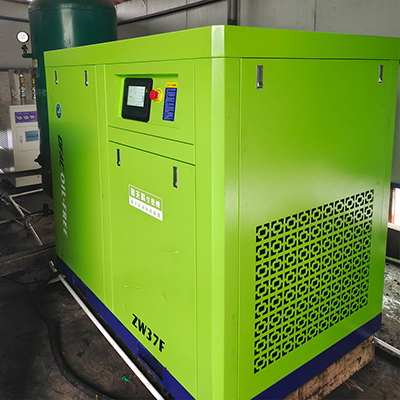
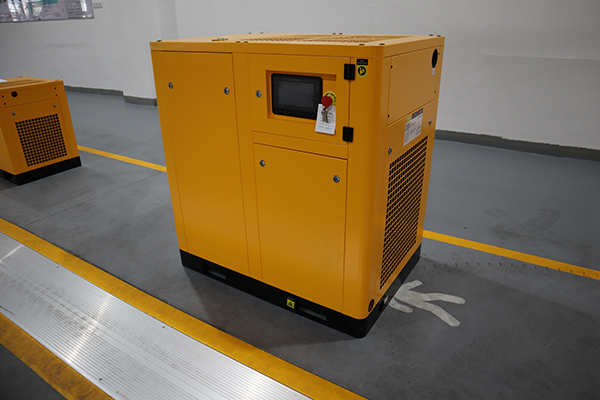
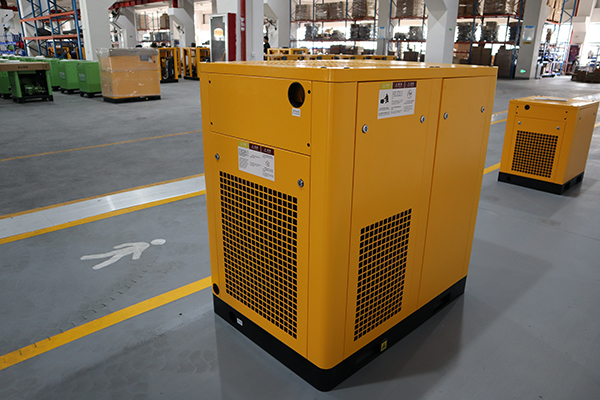
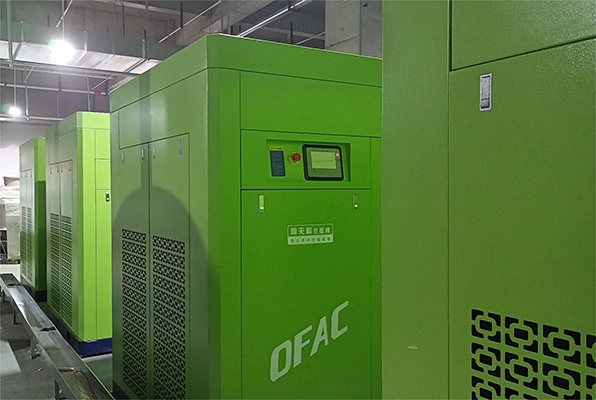
Power-saving-design water-lubricated oil-free screw air compressors combine a water lubrication system, high-efficiency screw rotors, and intelligent controls to minimize power consumption. Water replaces oil as the sealing and cooling medium inside the compression chamber, reducing internal leakage and friction losses. This design enables lower discharge temperatures, which decreases the compression ratio and improves volumetric efficiency. Inverter-driven motors match output to real air demand, avoiding idle running and frequent start-stop cycles that waste energy. Together, these features deliver lower specific power (kW/m³/min), translating directly into reduced electricity costs over the full life cycle of the compressor.
Clean, Oil-Free Air and Performance Advantages
Because lubrication and sealing are achieved using water rather than oil, the compressed air is 100% oil-free at the source, eliminating the risk of hydrocarbon contamination. This is critical for industries such as food and beverage, pharmaceuticals, electronics, textiles, and precision coating, where even trace oil can cause product defects, safety issues, or costly rework. The water-lubricated oil-free screw structure ensures stable pressure, low noise, and low vibration, which improves process consistency and protects downstream equipment. In addition, integrated energy-saving components such as high-efficiency motors, low-pressure-drop filters, and optimized coolers help maintain long-term performance and extend service intervals.
Industrial Application Scenarios and Process Importance
Power-saving-design water-lubricated oil-free screw air compressors are widely applied in clean production lines, sterile packaging plants, pharmaceutical fermentation workshops, high-purity electronics manufacturing, and environmentally sensitive facilities. In these scenarios, compressed air is often treated as a critical utility, directly linked to product quality and regulatory compliance. Stable, oil-free air supports precise actuators, pneumatic conveying, dosing, and instrumentation without introducing contaminants. By lowering energy consumption, these compressors reduce operating expenditure and help factories meet tightening energy-efficiency and carbon-reduction targets, making them a strategic choice in modern industrial planning.
Operational Economy, Maintenance, and Environmental Benefits
Compared with traditional oil-injected screw compressors plus complex filtration, a water-lubricated oil-free design simplifies the air treatment chain and decreases filter replacement frequency. Maintenance mainly focuses on water quality management, periodic water replacement, and routine inspection of seals and rotors, which can be scheduled to minimize downtime. The absence of lubricating oil eliminates the need for oil changes, oil disposal, and the associated environmental risk. Lower noise levels improve workplace comfort and help plants comply with occupational standards. From an environmental perspective, the combination of high energy efficiency, oil-free operation, and reduced waste streams supports sustainable manufacturing and strengthens corporate ESG performance.
Common Questions About Water-Lubricated Oil-Free Screw Compressors
12Why choose water-lubricated oil-free screw technology?
It provides high energy efficiency and completely oil-free air, protecting sensitive products and processes while lowering long-term power and maintenance costs.
22What industries benefit most from this compressor type?
Key users include food and beverage, pharmaceuticals, electronics, textiles, medical devices, and any plant that requires clean, oil-free compressed air for critical production steps.
32How does it help reduce overall operating costs?
The combination of power-saving design, inverter control, reduced filtration requirements, and low maintenance demand significantly cuts energy bills and lifecycle ownership costs.