fixed speed screw air compressor Installation Locations Impacting Performance
News 2025-12-22
Fixed speed screw air compressor installation locations impacting system efficiency and stability

Influence of Ambient Conditions on Performance
Ambient temperature, humidity, and airborne contaminants directly affect fixed speed screw air compressor efficiency and life. High temperatures reduce motor and lubricant cooling capacity, forcing higher discharge temperatures and increasing risk of varnish, coking, and premature bearing wear. Excessive humidity promotes condensate formation, leading to corrosion in air receivers, pipelines, and downstream equipment. Dust, fibers, or oil mist in the intake air clog filters, raise pressure drop, and reduce volumetric efficiency. For industrial plants, selecting a clean, shaded, and thermally stable area reduces energy consumption, stabilizes pressure, and protects critical production lines that depend on continuous, high‑quality compressed air.
Layout, Ventilation, and Service Access
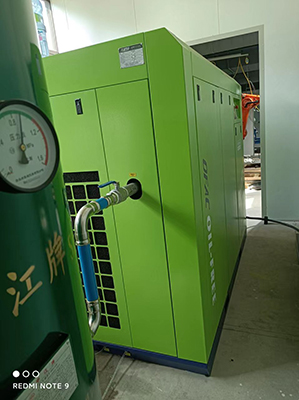
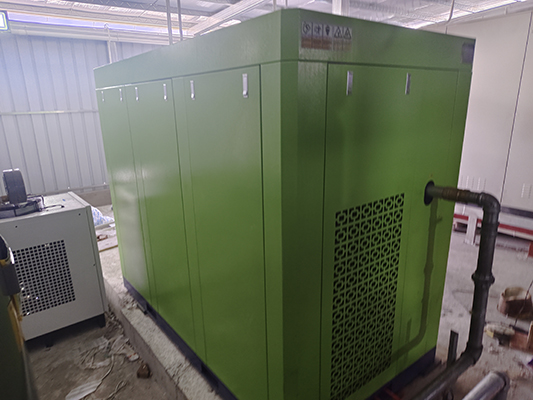
The physical layout around a fixed speed screw air compressor is a core design factor. Sufficient clearance is required on all service sides to allow safe maintenance, filter replacement, oil changes, and cooler cleaning. Poor ventilation traps hot exhaust air around the unit, causing recirculation and elevating inlet temperature. Correct ducting to separate intake and exhaust airflow prevents thermal buildup and keeps compressor loading stable. In automotive, food, or textile plants, well‑planned compressor rooms with dedicated airflow paths maintain consistent operating temperatures, reduce unplanned shutdowns, and support predictable compressed air delivery to automated production equipment.
Distance to Demand Points and Piping Design
Installation location determines piping length, pressure drop, and overall system responsiveness. Long, undersized pipelines waste energy as the compressor must operate at higher discharge pressure to compensate for line losses. Positioning fixed speed screw air compressors closer to major consumption points, such as painting booths, CNC machining centers, or packaging lines, improves pressure stability and product quality. Properly sized headers, ring mains, minimal elbows, and strategic placement of air receivers help smooth demand fluctuations. This design approach is critical in processes where pressure deviations immediately affect tool torque, coating thickness, or instrument accuracy.
Noise, Safety, and Integration in Industrial Facilities
Noise and safety regulations also shape installation strategy. Fixed speed screw air compressors generate continuous sound levels that can exceed occupational noise limits if placed directly on the production floor. Dedicated compressor rooms or acoustic enclosures protect operators and simplify compliance. The location must support safe foundation design, vibration isolation, and easy access to power supply, drainage, and condensate treatment systems. In sectors such as electronics, pharmaceuticals, and metallurgy, these factors guarantee uninterrupted operation, protect sensitive equipment, and integrate the compressor into broader plant utilities, improving overall energy performance and lifecycle cost.
Key Questions on Installation Locations
1. How does room temperature affect compressor efficiency?
High room temperature raises inlet and discharge temperatures, reduces air density, increases power consumption, and accelerates lubricant and component ageing, lowering overall system efficiency.
2. Why is proximity to air demand important?
Shorter, well‑sized piping lowers pressure drop, stabilizes working pressure at tools and machines, and reduces the compressor’s required discharge pressure, directly cutting energy costs.
3. Can poor ventilation damage a screw air compressor?
Yes. Inadequate ventilation leads to hot air recirculation, frequent high‑temperature alarms, lubricant breakdown, and potential shutdowns, harming both performance and service life.