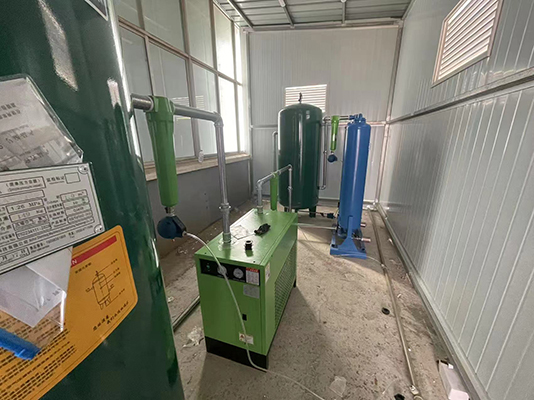
Permanent Magnet Air Compressor for Ceramic Production – Reliable Air Supply for Kiln and Molding Equipment
News 2025-11-17
Permanent magnet air compressors are becoming a preferred power source for ceramic production lines that demand continuous, stable, and energy‑efficient compressed air. From slip preparation and spray drying to pressing, glazing, and firing, every stage depends on clean, dry air delivered at consistent pressure. A well‑configured permanent magnet compressor helps ceramic factories reduce energy bills, stabilize product quality, and maintain predictable output, even in harsh, dusty environments around kilns and molding stations.
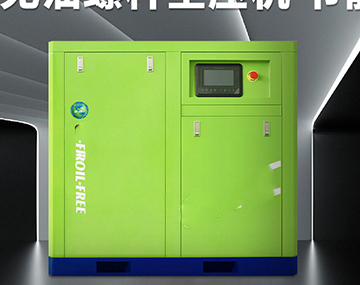
Core Role in Kiln Operation and Molding Processes
In ceramic plants, compressed air directly influences kiln safety and forming accuracy. Burners, air valves, actuators, and control dampers require steady pressure to maintain firing curves and uniform temperature distribution inside tunnel or shuttle kilns. Any pressure fluctuation can cause color variation, warping, or micro‑cracks in tiles and sanitaryware. Permanent magnet air compressors deliver precise pressure control to support burner modulation, cooling air, and pneumatic handling around the kiln. On the molding side, presses, isostatic machines, and shaping tools rely on compressed air for clamping, demolding, and rapid cycling, turning the compressor into a core component of overall line productivity.
Performance Advantages of Permanent Magnet Technology
Compared with traditional fixed‑speed compressors, permanent magnet units use high‑efficiency motors and variable speed drive control to match airflow to real‑time demand. This reduces energy waste during partial load operation, a common situation in ceramic factories with fluctuating production shifts. The permanent magnet motor offers high power density, low starting current, and excellent efficiency over a wide speed range, cutting kWh consumption and lowering carbon emissions. Stable output pressure, low pulsation, and reduced mechanical vibration help protect downstream filters, dryers, and precision valves, extending service life and reducing unplanned downtime.
Designed for Harsh Ceramic Production Environments
Ceramic manufacturing areas are often dusty, hot, and highly demanding on equipment. Permanent magnet air compressors configured for this industry use reinforced filtration systems, oversized coolers, and intelligent temperature control to maintain safe operation near kilns and spray dryers. High‑efficiency air‑end designs and optimized cooling keep discharge temperatures under control, improving dryer performance and air quality for glazing and pneumatic conveying. Integrated or matched refrigeration and adsorption dryers ensure low residual moisture, protecting molds, spraying guns, and automated glazing lines from blockages, stains, and surface defects that could lead to product rejection.
Energy Management, Maintenance, and System Integration
Modern permanent magnet air compressors are built for smart plant integration. Advanced controllers support remote monitoring, load sharing, and energy management across multiple compressor stations. This allows ceramic producers to schedule maintenance around kiln firing cycles, avoid production interruptions, and track specific energy consumption per square meter of tile or per piece of sanitaryware. Longer service intervals, reduced oil carryover, and easy access to consumables simplify daily maintenance tasks. By aligning compressor capacity with real demand and optimizing system pressure, plants can often cut total compressed air energy use by double‑digit percentages while improving forming precision and kiln stability.
1How does a permanent magnet compressor improve kiln product quality?
Stable pressure and consistent airflow help maintain accurate firing curves, even flame distribution, and precise control of combustion air, which reduces color differences, deformation, and hidden cracks in ceramic products.
2Is a permanent magnet air compressor suitable for high‑dust ceramic workshops?
Yes, when equipped with reinforced intake filtration, proper ventilation, and scheduled cleaning, it operates reliably in dusty environments and protects internal components from premature wear.
3What energy savings can ceramic plants expect?
Actual savings vary by load profile, but many factories report 20–35% lower electricity consumption compared with conventional fixed‑speed compressors, especially where production demand fluctuates across shifts.