fixed speed screw air compressor Storage Practices Preserving Unit Condition
News 2025-12-22
Fixed speed screw air compressor Storage Practices Preserving Unit Condition
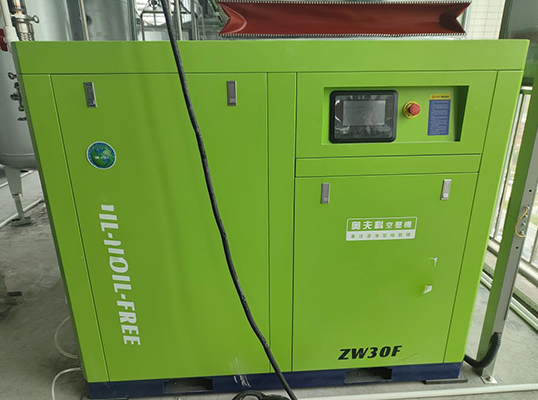
Importance of Proper Storage in Industrial Operations
Storing a fixed speed screw air compressor correctly is critical for maintaining stable airflow, minimizing lifecycle cost, and ensuring readiness for demanding industrial processes. In sectors such as automotive assembly, electronics, food packaging, and metal fabrication, compressed air quality and availability directly influence productivity, product consistency, and safety. Inadequate storage practices can lead to internal corrosion, lubricant degradation, and air-end damage, which then cause pressure fluctuations and unplanned shutdowns. When a plant relies on constant pressure to run pneumatic tools, actuators, and process controls, preserving the compressor’s condition during idle periods is as important as performance during operation.
Environmental Conditions and Site Preparation
Before long-term shutdown, the storage area should be clean, dry, and well ventilated, shielded from direct sunlight, rain, and aggressive chemicals. Ambient temperature needs to stay within the manufacturer’s recommended range to protect seals, hoses, and electronic components from thermal stress. Placing the compressor on a level, vibration-free foundation reduces mechanical strain on the frame and helps maintain alignment of the motor, coupling, and air-end. Adequate clearance around the machine allows air circulation and simplifies regular inspections. For coastal or high-humidity environments, additional moisture control, such as dehumidifiers or desiccant packs inside control cabinets, is strongly recommended to prevent electrical faults and rust.
Mechanical Preservation and Lubrication Management
Mechanical integrity during storage relies on proper lubrication and moisture control in the oil circuit and air-end. Before placing the fixed speed screw compressor into storage, replace the oil and filters to remove contaminants that might accelerate oxidation. Filling to the specified level and periodically turning the motor or air-end by hand, when permitted by safety procedures, helps keep internal surfaces coated and prevents bearing brinelling. Drain condensate from receivers, coolers, and piping to avoid internal pitting and microbial growth that can compromise air quality later. In applications where the compressor must be restarted quickly for batch production or peak-demand events, these practices reduce startup torque, prevent high operating temperatures, and support consistent volumetric efficiency.
Electrical, Control, and Safety Considerations
Electrical systems and control logic are central to preserving performance and ensuring safe recommissioning. Power isolation should be clearly locked and tagged, while control panels are kept closed and sealed to block dust and insects. Periodic inspection of terminals, contactors, and soft starters prevents oxidation that could lead to nuisance trips or failures under load. Updating maintenance logs and storing parameter backups of controllers and VSD-ready interfaces simplifies integration into existing plant automation. Proper storage also protects pressure relief valves, safety interlocks, and temperature sensors, enabling the compressor to return to stable, code-compliant operation for critical applications such as paint lines, bottling plants, and precision machining cells.
Recommissioning, Application Readiness, and Performance Benefits
When the fixed speed screw air compressor is brought back into service, a structured recommissioning checklist secures performance benefits. Visual inspections, oil sampling, filter checks, and leak tests in receivers and distribution lines confirm that the machine can sustain rated pressure and flow. Correct storage means reduced risk of early bearing failure, minimized air-end wear, and stable discharge temperature, all of which translate into lower energy consumption and fewer interruptions in production. By preserving unit condition, operators maintain consistent pressure for spray booths, robotics, pneumatic conveying, and other air-intensive processes, improving product quality and supporting SEO-relevant goals such as “long service life,” “high efficiency compressed air,” and “reduced downtime in industrial plants.”
1、How long can a fixed speed screw air compressor stay in storage?
Most units can be stored for 6–12 months if environmental conditions, lubrication, and periodic inspections follow the manufacturer’s recommendations.
2、Does storage affect air quality in later operation?
Yes, poor storage can introduce rust and oil degradation products, which later contaminate the air stream and require additional filtration or component replacement.
3、What checks are critical before restarting after storage?
Key checks include oil level and condition, filter cleanliness, condensate drainage, integrity of hoses and wiring, and verification of safety devices and set pressures.