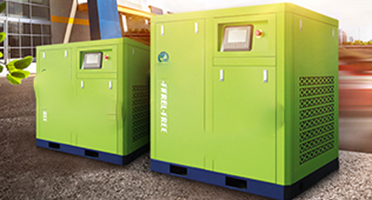
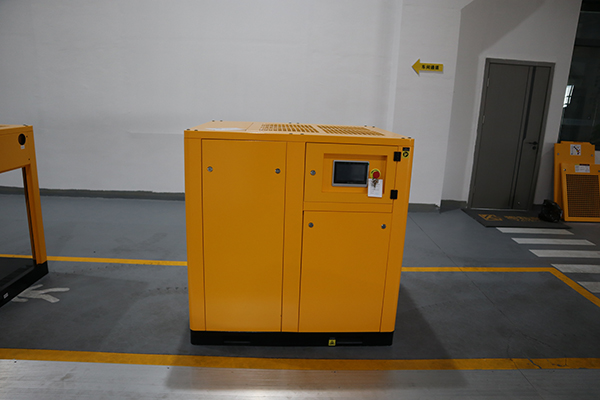
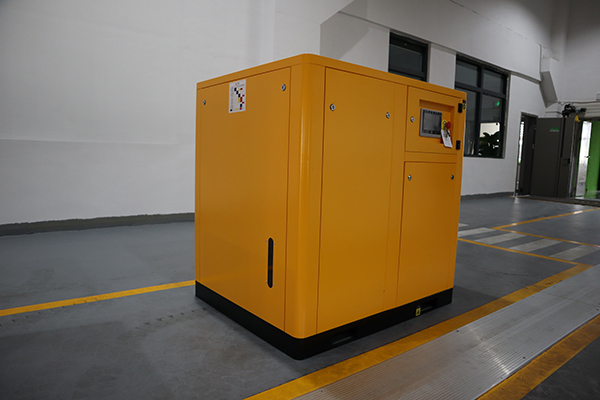
Dependable water-lubricated oil-free screw air compressor consistent operation
News 2025-11-17
Dependable water-lubricated oil-free screw air compressor consistent operation is reshaping expectations in modern compressed air systems. By leveraging water as a lubricant and sealing medium instead of mineral or synthetic oil, these compressors deliver clean, oil‑free air that meets strict quality standards. Industries such as electronics, pharmaceuticals, food and beverage, automotive painting, and precision manufacturing now rely on these systems to stabilize production, cut contamination risks, and simplify compliance. The focus is no longer only on pressure and flow, but on consistent operation that protects both equipment and end products.
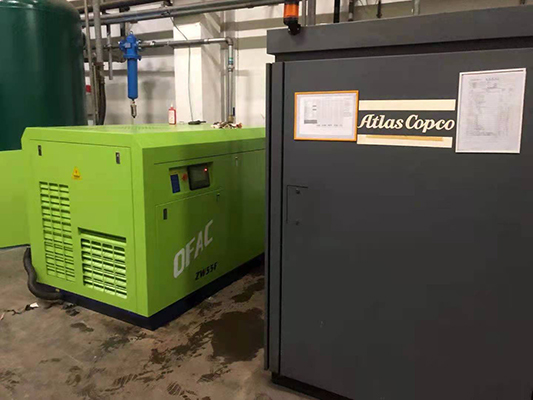
Core working principles and clean air delivery
Water‑lubricated oil‑free screw compressors use a flooded water circuit to seal the screw elements, dissipate heat, and reduce friction. The absence of oil inside the compression chamber eliminates the risk of hydrocarbon carry‑over, supporting ISO 8573‑1 Class 0 air quality when properly filtered and dried. Stable discharge temperatures and efficient heat transfer enable continuous duty cycles under demanding conditions. These technical advantages translate into lower maintenance of downstream filters, longer service life of pneumatic tools, and improved product quality in processes that are extremely sensitive to airborne impurities.
Key performance advantages and energy efficiency
Stable operation is a defining strength of this compressor type. Optimized rotor profiles, variable speed drive options, and intelligent controllers allow precise matching of air supply to fluctuating demand. This reduces unload times and minimizes wasted energy, improving overall system efficiency and lowering lifecycle cost. The cooling effect of water keeps internal components at more uniform temperatures, reducing thermal stress and extending bearing and seal life. Users also benefit from quieter operation, reduced vibration, and simplified condensate management because there is no oily wastewater to treat.
Application scenarios in critical industrial processes
Water‑lubricated oil‑free screw compressors are widely applied wherever product purity and process stability are non‑negotiable. In food and beverage packaging, clean compressed air contacts containers, valves, and filling lines, so eliminating oil contamination protects flavor, safety, and shelf life. In pharmaceutical and biotech plants, validated air quality supports sterile production and prevents cross‑contamination. Electronics and semiconductor facilities rely on dry, oil‑free air to avoid defects in circuit boards, sensors, and optical components. Even in general manufacturing, paint shops, and precision machining, these compressors reduce rework, scrap, and unplanned downtime by delivering consistent pressure and contaminant‑free air.
Importance in system reliability, maintenance, and ROI
The strategic value of dependable water‑lubricated oil‑free screw compressors extends across the entire compressed air system. Their consistent performance stabilizes network pressure, helping downstream regulators, dryers, and instrumentation operate within optimal ranges. Maintenance intervals are more predictable because water‑based lubrication does not degrade into sludge or varnish like oil. By minimizing filter element replacement, avoiding product recalls linked to oil contamination, and reducing environmental treatment costs, these compressors support a favorable total cost of ownership. They also help plants achieve sustainability targets by lowering energy use and eliminating oil discharge.
1、How do these compressors improve product quality?
By supplying clean, oil‑free compressed air, they prevent surface defects, taste changes, and particle contamination in sensitive industries such as food, pharma, and electronics.
2、Are water‑lubricated oil‑free compressors energy efficient?
Yes. Efficient water cooling, optimized screw elements, and variable speed control reduce energy consumption and help maintain high performance across varying loads.
3、Where are they most commonly used?
They are widely used in food and beverage, pharmaceutical manufacturing, electronics production, automotive painting, precision machining, and any process that requires high‑purity, stable compressed air.